Yazılar

DOJ Claims Google May Use AI to Strengthen Search Dominance as Trial Kicks Off

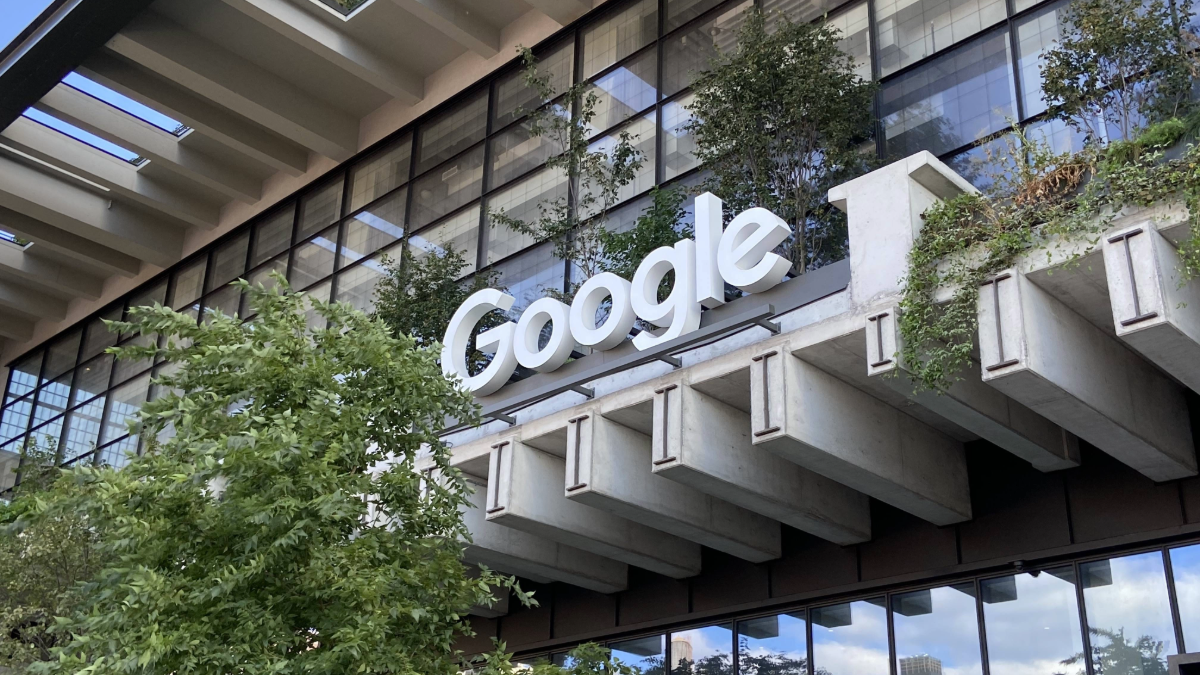
The U.S. Department of Justice (DOJ) has raised concerns that Alphabet’s Google could further solidify its monopoly in the online search market by leveraging artificial intelligence (AI) products. As the landmark antitrust trial kicked off on Monday, DOJ attorneys argued that Google must be subjected to strict measures to prevent it from using AI as a tool to extend its dominance. The case, which could have far-reaching implications, seeks to reshape the digital landscape by challenging Google’s grip on internet search, potentially shifting the balance of power in the online information realm.

The DOJ is asking the court to mandate significant actions, including requiring Google to divest its Chrome browser. The agency argues that such actions are necessary to break up Google’s monopolistic control over the search industry. In drawing comparisons to past antitrust cases, such as the breakup of AT&T and Standard Oil, DOJ attorney David Dahlquist emphasized that now is the time to send a clear message to Google and other monopolistic entities. According to Dahlquist, these companies need to understand that violating antitrust laws comes with serious consequences, signaling a shift toward stronger enforcement in the digital age.

The government’s case is not just about preserving competition in the current landscape but also about anticipating future challenges. As the online search space continues to evolve, with new technologies like generative AI—exemplified by tools such as ChatGPT—becoming more integrated into the user experience, the DOJ and state attorneys general are pressing for solutions that address both current and future competition concerns. They argue that the court’s remedy should be forward-looking, ensuring that the evolving technological landscape doesn’t become another avenue for Google to entrench its dominance even further.

With these new advancements in AI, the trial could serve as a pivotal moment not just for Google, but for the future of the internet. As the DOJ moves forward with its case, the outcome could set a precedent for how tech giants are regulated in an era where AI and automation are increasingly part of the digital ecosystem. The court’s decision will have lasting implications on how online platforms operate and compete, making this trial one of the most important antitrust cases in recent history.

Verizon’s Warning on Slow Subscriber Growth Triggers Telecom Selloff

Verizon Communications issued a warning about “soft” wireless subscriber growth in the first quarter, citing off-season promotions by competitors that have continued despite the typically slow post-holiday period. The announcement caused Verizon’s shares to plunge more than 7% on Tuesday, sparking a broader selloff in the U.S. telecom sector.

Chief Revenue Officer Frank Boulben, speaking at Deutsche Bank’s Media, Internet & Telecom Conference, noted that Verizon pulled back on customer incentives after an aggressive December quarter, while rivals maintained their promotional strategies, intensifying competition.

AT&T shares fell 5.3% as the company also reported elevated subscriber churn in January, while T-Mobile US saw a 4% decline. Analysts point to a shrinking pool of potential new mobile subscribers in an increasingly saturated market, with broadband giants like Comcast stepping up competition by targeting wireless customers.

Verizon also flagged a “slow start” for phone upgrades in the first quarter, attributing it to economic uncertainty and a lack of major new smartphone features. However, the company reaffirmed its annual target for single-digit growth in phone upgrades and expects a stronger rebound later in the year. Verizon anticipates adding more monthly-bill paying wireless subscribers in 2025 than the 900,000 it gained in 2024, supported by its customizable myPlan offerings.

Minimal Impact from Immigration Crackdown

Verizon and AT&T downplayed concerns about potential customer losses due to tighter U.S. immigration policies. President Donald Trump’s administration has intensified immigration enforcement, raising concerns about a reduced pool of new telecom customers. However, Boulben stated that any impact would be minimal, primarily affecting the low-end prepaid market rather than postpaid contracts that require formal identification.

Limited Threat from Satellite Internet

Both Verizon and AT&T dismissed concerns over competition from satellite internet providers like SpaceX’s Starlink, emphasizing that traditional wireless services remain more reliable and cost-effective. AT&T CFO Pascal Desroches acknowledged the potential of satellite-to-cell connectivity but described it as a limited business opportunity at present.

Meanwhile, T-Mobile has announced plans to launch its satellite-to-cell service with Starlink in July, priced at $15 per month.

Rivian Expands Commercial Van Sales to All Fleet Sizes in U.S.

Rivian (RIVN.O) has announced the expansion of its commercial van sales to fleets of all sizes in the United States, marking a shift from its previous exclusive agreement with Amazon (AMZN.O). This move comes more than a year after the electric vehicle maker ended its exclusivity deal with the e-commerce giant.

Known for its R1S SUVs and R1T pickup trucks, Rivian has experienced growing demand for its commercial delivery vans beyond Amazon. The company has been testing its vans with large fleets, which have helped refine the fleet management process and paved the way for broader sales. The van sales, along with the upcoming launch of Rivian’s smaller, more affordable R2 SUVs in 2026, will be crucial for the company’s growth, especially as the overall demand for EVs has softened amid rising borrowing costs.

Rivian’s move to open sales to a wider range of fleets follows the end of its exclusive deal with Amazon in late 2023. However, the company remains committed to fulfilling Amazon’s order of 100,000 vans by 2030, with Amazon currently operating 20,000 Rivian vans in its fleet. U.S. wireless carrier AT&T (T.N) was the first company to purchase Rivian vans after the exclusive deal ended, although details regarding the number of vans and financial terms were not disclosed.

The announcement follows Rivian’s resolution of component shortages that previously hindered production of its vans and other vehicles, alongside its success in cutting costs through renegotiated supplier contracts and process improvements. Rivian exceeded analysts’ expectations for fourth-quarter deliveries and is set to report its fourth-quarter financial results on February 20.