Yazılar

Xreal Unveils New AR Glasses with Self-Designed Chip to Compete with Meta and Snap

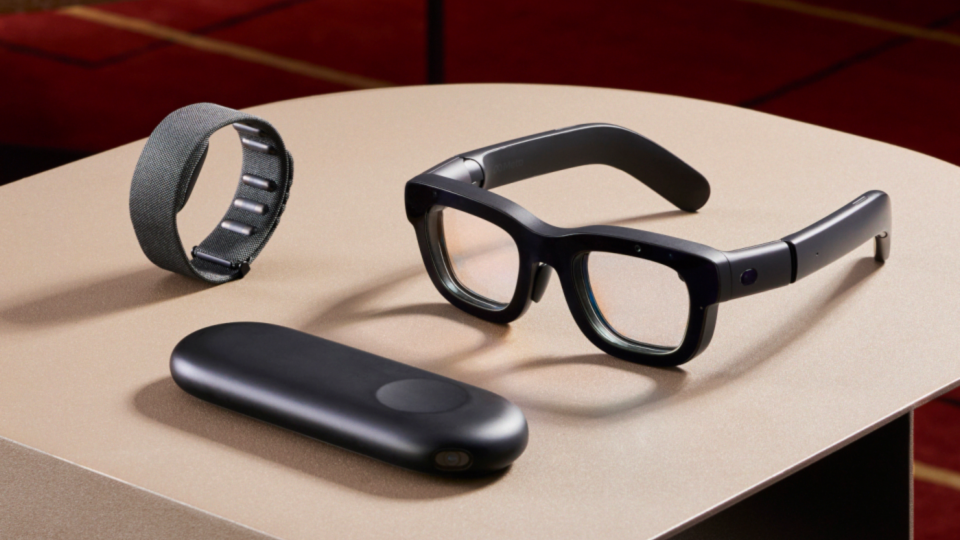
Xreal, a company backed by Alibaba, launched its latest augmented reality (AR) glasses on Wednesday, aiming to rival competitors like Meta and Snap in the growing AR market.

The new Xreal One Series features the X1 chip, the company’s first self-designed processor. This development marks a significant enhancement in the glasses’ capabilities, eliminating the need for a companion device previously required to connect to phones, laptops, or gaming consoles. With the new chip, users can now see their content on a massive digital screen directly in front of them, without relying on external devices like the previous Beam accessory.

Chi Xu, CEO of Xreal, called the X1 chip “the biggest upgrade in Xreal history and probably the biggest upgrade for the entire consumer AR glasses sector,” adding that the three-year development process was crucial for making the product more competitive. Xu emphasized that the company needed a custom chip to unlock new features and differentiate itself from the competition.

Xreal, one of the leading companies in the AR glasses market, faces tough competition from other tech giants like Snap, which introduced new Spectacles in September, and Meta, which continues to push its Meta Ray-Ban partnership. Additionally, Qualcomm is collaborating with Google and Samsung on their own AR glasses.

Unlike Meta’s headsets, which are large and costly, Xreal is betting on glasses as the future of AR for mass-market adoption. “People have started to realize a headset doesn’t make sense, we need to go to lighter form factors to the glasses category,” said Xu. However, he acknowledged that the challenge is delivering a headset-like experience in a much smaller, more portable form factor.

The Xreal One and Xreal One Pro glasses start at $499 and $599, respectively.

Although AR technology has generated a lot of buzz in recent years, the market has yet to explode. High-cost and uncomfortable large headsets have failed to take off, and companies like Xreal and Meta are focusing on making glasses more compelling. However, the lack of content and clear use cases remains a hurdle for wider adoption. Xu stressed that developing good hardware is essential to attracting developers and creating the ecosystem necessary for AR to thrive.

Looking ahead, Xu projected that Xreal will sell 500,000 units of its previous products by 2025, nearly doubling this year’s sales.
 

Samsung Develops AR Headset with Head-Mounted Display, Patent Reveals

Samsung’s entry into the augmented reality (AR) space appears to be taking shape, as recent patent filings shed new light on the company’s plans for a head-mounted AR headset. The patent document, which surfaced through the World Intellectual Property Organization (WIPO) database, suggests that Samsung is developing a device that will run on its proprietary operating system. The AR headset is also expected to feature a Qualcomm chip, marking a significant collaboration between the two companies. This upcoming mixed reality headset will likely compete with established players in the AR space, such as Meta, HTC, and Magic Leap, bringing similar functionalities to the market.

Innovative Head-Mounted AR Device
The patent, titled “Wearable Device for Displaying Visual Object for Adjusting Visibility of Virtual Object,” details a head-mounted device (HMD) designed to provide immersive AR experiences. The device is expected to have a built-in display, enabling users to view both virtual and real-world objects simultaneously. Samsung’s focus on blending virtual elements with the real environment suggests that the device could offer a highly interactive experience, potentially transforming how users interact with digital content in their physical surroundings.

The Role of Qualcomm in the Project
Samsung’s collaboration with Qualcomm is a noteworthy aspect of the patent, as it points to the use of a Qualcomm chip in powering the headset’s operations. This partnership could lead to improved performance and efficiency, especially as Qualcomm’s chips are known for their strong capabilities in handling AR and mixed-reality applications. The use of a dedicated chip would help Samsung optimize the headset’s processing power, providing smoother experiences and supporting a wide range of augmented reality applications.

Samsung’s Move Into Mixed Reality
This patent filing signifies Samsung’s commitment to entering the competitive AR and mixed-reality market. As companies like Meta have already established their own AR ecosystems, Samsung’s headset could offer an exciting alternative, leveraging its expertise in display technology and mobile devices. While details are still scarce, the anticipated AR headset could be a game-changer for the industry, offering consumers a new way to engage with both virtual and real-world environments. As more information becomes available, it will be interesting to see how Samsung positions this device against its competitors and what unique features it will bring to the table.

Walt Disney Creates New Business Unit to Oversee AI and Augmented Reality Integration

Walt Disney is taking significant steps to harness the power of emerging technologies by establishing a new division dedicated to artificial intelligence (AI) and augmented reality (AR), marking a strategic move to further innovate across its various business sectors. The newly formed Office of Technology Enablement will focus on coordinating the use of AI and mixed reality (XR) technologies within Disney’s film, television, and theme park operations. This group will centralize efforts to explore how these cutting-edge technologies can enhance both consumer experiences and creative processes across Disney’s expansive media empire.

The initiative will be led by Jamie Voris, Disney’s current Chief Technology Officer for the film studio, who has been instrumental in the development of Disney’s app for the Apple Vision Pro mixed reality headset. Voris’s leadership in this space highlights Disney’s commitment to integrating XR technologies into its content creation and consumer offerings. As part of this transition, Eddie Drake will take over as the new CTO of Disney’s film studio, continuing the company’s technological innovation in entertainment.

In an email shared by Reuters, Disney Entertainment Co-Chairman Alan Bergman emphasized the transformative potential of AI and XR, noting that the rapid advancements in these fields are already reshaping consumer interactions and creative endeavors. Bergman underscored the necessity of embracing these technologies, saying that they will play an increasingly vital role in both the future of entertainment and Disney’s business strategy. He also acknowledged the importance of carefully navigating the associated risks, ensuring that Disney remains at the forefront of these evolving technologies while safeguarding its core values.

The formation of the Office of Technology Enablement marks a critical step for Disney as it seeks to maintain its leadership in the ever-changing media landscape. By integrating AI and AR into its various platforms, Disney aims to not only create more immersive and engaging experiences for its audiences but also to streamline production and creative processes. The company’s forward-thinking approach will allow it to better compete in the highly dynamic entertainment industry, where technological innovation is becoming a key driver of success.