Yazılar

Serve Robotics partners with DoorDash to expand autonomous food deliveries

Serve Robotics, a San Francisco-based delivery robot company, has announced a new partnership with DoorDash, marking its expansion beyond its long-standing collaboration with Uber Eats. The deal will see Serve’s sidewalk robots begin handling food deliveries in Los Angeles, with plans to extend across the U.S., the company said Thursday.

Following the announcement, Serve’s shares surged more than 25%, reaching their highest level in eight months. The partnership allows Serve to access DoorDash’s vast network of restaurants and customers, significantly increasing the volume of orders available for its autonomous delivery fleet.

“This partnership enables us to go to cities where DoorDash is the dominant player,” said Serve CEO Ali Kashani, noting that the company now has a large enough fleet to serve multiple delivery platforms efficiently. He added that revenues will grow as the partnership scales to match Serve’s existing Uber Eats operations.

Serve’s robots have already completed over 100,000 deliveries across cities including Los Angeles, Miami, Chicago, and Atlanta, handling orders from more than 2,500 restaurants. The expansion with DoorDash strengthens its position in the rapidly growing autonomous last-mile delivery market, which companies are turning to in order to cut labor costs and speed up service.

DoorDash recently unveiled its own delivery robot, Dot, and continues to explore automation through partnerships with Alphabet’s Wing for drone deliveries.

Brazil’s WEG invests $77M to expand U.S. transformer plant amid AI-driven demand

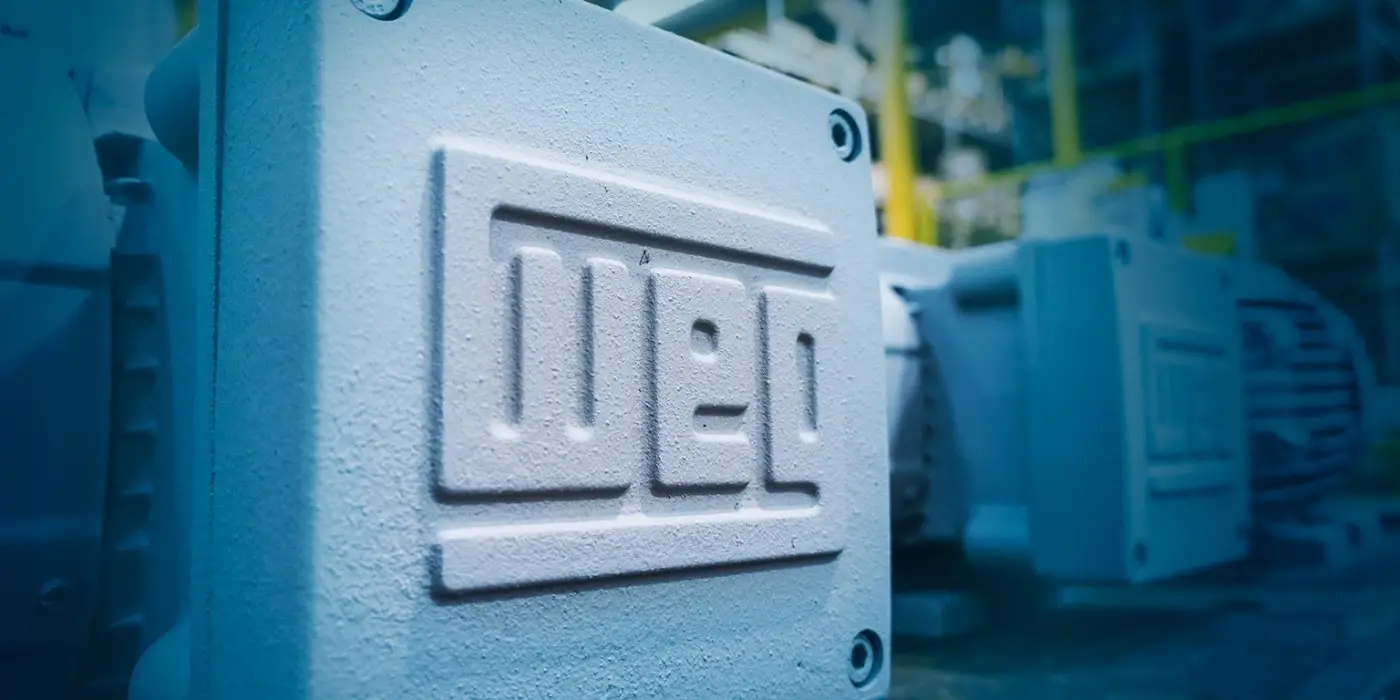
Brazilian motor manufacturer WEG announced Tuesday it will invest $77 million to expand its Washington, Missouri specialty transformer plant, aiming to increase production capacity by 50% as demand surges from AI data centers, industrial manufacturing, and U.S. grid stability needs.

The investment, to be deployed over three years, will bring the additional capacity online no later than 2028, WEG U.S. managing director Peter Barry told Reuters. While the facility previously focused on renewable energy applications like wind power, Barry said the shift toward AI and data center infrastructure is now driving growth.

Despite President Donald Trump’s 50% tariff on Brazilian imports, Barry said the company’s decision was unaffected, citing strong and sustained growth in the North American market. “The North American growth for WEG over the last number of years has been very strong, and I would see that continuing,” he noted.

Key points from the plan:

  • Capacity expansion will be pre-sold, reflecting strong forward demand.

  • Investment will emphasize automation, though around 50 new jobs will still be created.

  • WEG remains open to additional U.S. investments as the AI and energy markets evolve, stressing a strategy of flexibility.

The expansion underscores how the AI boom is reshaping industrial supply chains, with transformers becoming critical components for powering vast data centers and stabilizing electricity grids.

Paycom Raises 2025 Revenue and Profit Forecasts on AI-Driven Demand

Payroll software provider Paycom Software (PAYC.N) boosted its fiscal 2025 revenue and profit guidance on Wednesday, attributing the upward revision to increased demand driven by new AI capabilities in its platform. The company’s shares rose 7% in after-hours trading following the announcement.

Paycom now projects annual revenue between $2.05 billion and $2.06 billion, up from its previous forecast of $2.02 billion to $2.04 billion, surpassing the $2.03 billion consensus estimate. The company’s CEO, Chad Richison, highlighted the “smart AI” suite integrated into Paycom’s software, which automates workforce tasks such as drafting job descriptions and identifying employees at risk of leaving, helping employers streamline management processes.

Profit expectations for 2025 were also raised, with core profit forecasted between $872 million and $882 million, compared to prior guidance of $843 million to $858 million. In the second quarter ended June 30, Paycom reported revenue of $483.6 million and adjusted core profit of $198.3 million, both beating analyst estimates.

Despite these gains, the company’s optimism comes amid weakening U.S. labor market conditions, with July’s employment growth falling short of expectations and prior months’ payroll figures revised downward by 258,000 jobs.