Yazılar

Diligent Robotics Recruits Cruise Executives to Expand Beyond Healthcare

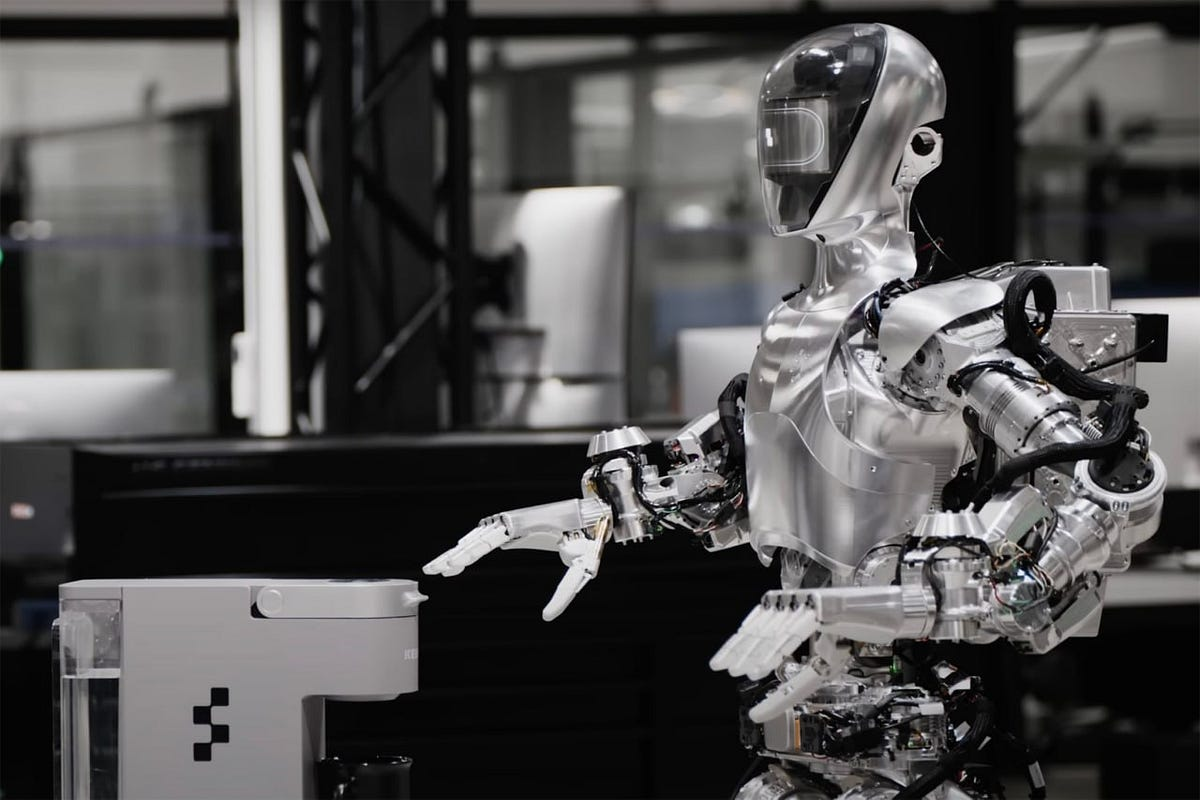
Diligent Robotics, known for its humanoid robot Moxi that supports hospitals by handling tasks like delivering supplies and lab samples, is gearing up to broaden its focus beyond healthcare logistics. On Thursday, the company announced the addition of two senior executives from Cruise, the autonomous robotaxi firm, signaling a strategic push into wider commercial markets.

Rashed Haq, formerly head of AI and robotics at Cruise, has joined Diligent as chief technology officer. He will lead the development of the company’s AI strategy, leveraging his experience in deploying large-scale autonomous systems. Todd Brugger, Cruise’s former chief of operations, steps in as Diligent’s chief operations officer, where he will be responsible for scaling the company’s operations and commercial growth across various industries.

Andrea Thomaz, CEO of Diligent Robotics, highlighted the value of their expertise, stating that Haq and Brugger’s backgrounds in autonomous vehicle technology are vital as the company expands its robotic solutions beyond hospitals.

Since its launch, Moxi has completed over one million deliveries in more than 30 hospitals across the United States, saving nearly 600,000 staff hours. Looking ahead, Diligent plans to be a leader in embodied AI, targeting the deployment of more than 3,000 robots by 2030.
Anduril Sees Positive Outlook with Trump Administration’s Defense Strategy

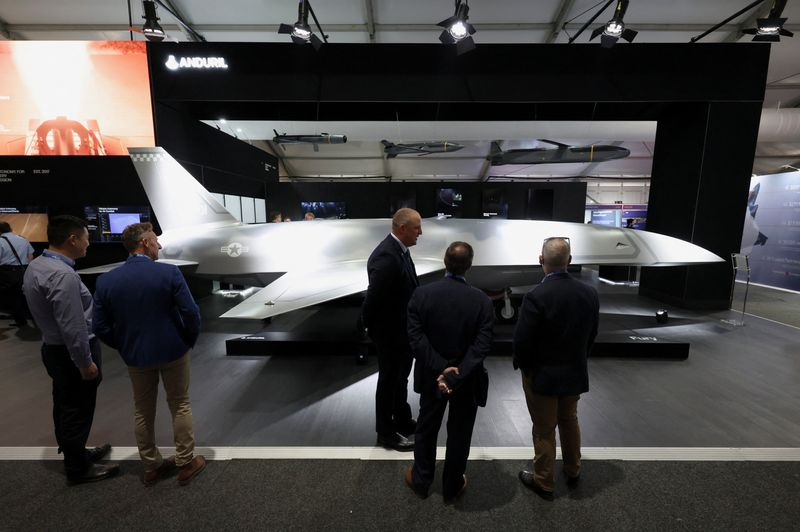
Anduril, the AI-powered defense start-up, is optimistic about its position under the new Trump administration, with its president, Christian Brose, stating that the company feels positive “vibes” from the Pentagon’s recent defense shakeup. Brose, who has previously worked with Republican Senator John McCain, emphasized that Anduril’s focus on low-cost autonomous defense systems aligns well with the Trump administration’s preferences for innovation and efficiency in defense procurement.

Anduril’s Alignment with Trump’s Defense Priorities

Brose noted that Anduril’s approach to autonomous defense technology fits well with the administration’s goals to shake up the military’s traditional procurement processes. The start-up, co-founded by Palmer Luckey—who is a known supporter of Donald Trump—has built strong relationships within the current government. According to Brose, the administration’s willingness to do things differently creates significant opportunities for companies like Anduril.

In December, Anduril announced a partnership with OpenAI to deploy advanced artificial intelligence solutions for national security missions, further aligning itself with emerging defense strategies. Brose also pointed out the Pentagon’s recent $50 billion budget cut directive, speculating that this could be an effort to shift resources into new forms of military capabilities rather than merely reduce spending.

Expansion Plans and International Collaborations

Anduril, which is constructing a mass manufacturing facility for autonomous systems in Ohio, is also eyeing international growth, including potential expansion into Australia. The Australian Defence Force (ADF) is currently trialing Anduril’s AI-driven intrusion detection software at RAAF Base Darwin, where U.S. Marines are stationed.

In addition, Anduril Australia is bidding to produce solid rocket motors for the ADF’s Guided Weapons and Explosive Ordnance Enterprise. The company is also working with the ADF to produce the Ghost Shark underwater autonomous machine, with plans to ramp up production soon. Brose indicated that Anduril could expand its production footprint to other countries if the business case justifies such an investment, with Australia being a potential location.

Defense Technology and the Future of AUKUS

Under the AUKUS treaty, which involves the U.S., the U.K., and Australia, the U.S. and Britain will assist Australia in developing nuclear-powered submarines. Australia plans to spend over A$360 billion on this initiative. Brose emphasized that while autonomous systems like Anduril’s Ghost Shark can be produced faster, in larger quantities, and at a lower cost, they should complement—not replace—crewed submarines in a well-rounded defense strategy.

Redwire to Acquire Edge Autonomy for $925 Million in Strategic Deal

Redwire Corp, a space infrastructure company, announced on Monday its agreement to acquire Edge Autonomy, a leader in autonomous systems, for $925 million in a cash-and-stock transaction. The deal aims to broaden Redwire’s portfolio of space platforms and integrate combat-proven autonomous airborne systems.

Key Details of the Acquisition:

  • Transaction Breakdown: The merger will be funded by $150 million in cash and $775 million in Redwire common stock.
  • Revenue and Profit Expectations: Redwire anticipates combined revenues between $535 million and $605 million for the year ending December 31, 2025. Adjusted earnings are expected to range from $70 million to $105 million.
  • Strategic Goals: The merger will create a company positioned to offer integrated autonomous, collaborative systems for both space and airborne platforms, with an emphasis on multi-domain operations ranging from Earth’s surface to the Moon and beyond.
  • Edge Autonomy’s Capabilities: Edge Autonomy manufactures advanced autonomous systems and optics, serving clients such as the U.S. Department of Defense.
  • Closing and Approvals: The transaction is subject to regulatory and Redwire shareholder approvals, with an expected closing date in the second quarter.