Tesla Bets Big on ‘Black Box’ AI for Robotaxis Amid Mounting Pressure
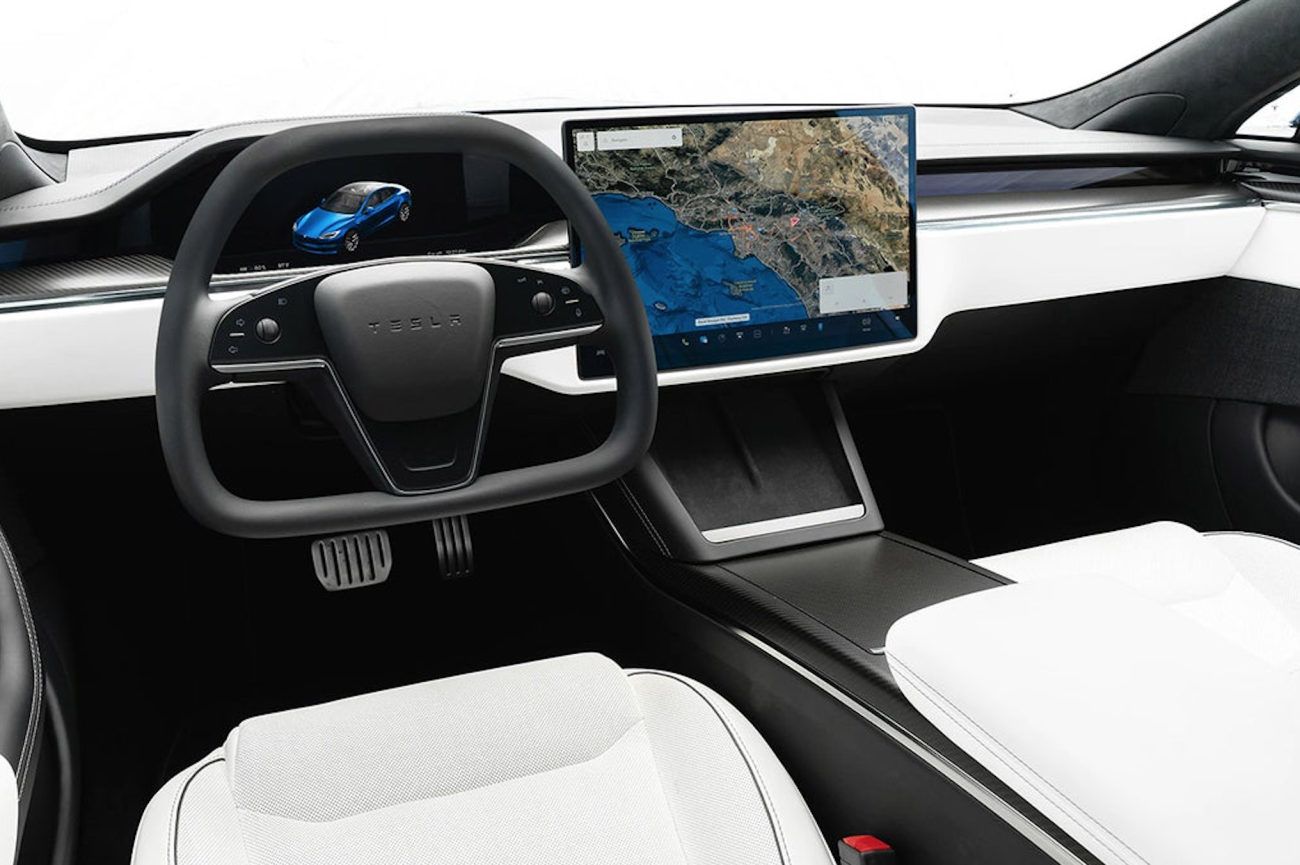
Tesla is gearing up for the highly anticipated “robotaxi unveil,” a critical moment for CEO Elon Musk’s decade-long promises of autonomous driving. Set to showcase a prototype called “Cybercab,” the automaker is not expected to reveal a fully operational driverless vehicle. Tesla’s success in convincing regulators and passengers of the vehicle’s safety, however, faces significant hurdles, especially as competitors like Waymo have already launched robotaxi services in select cities.
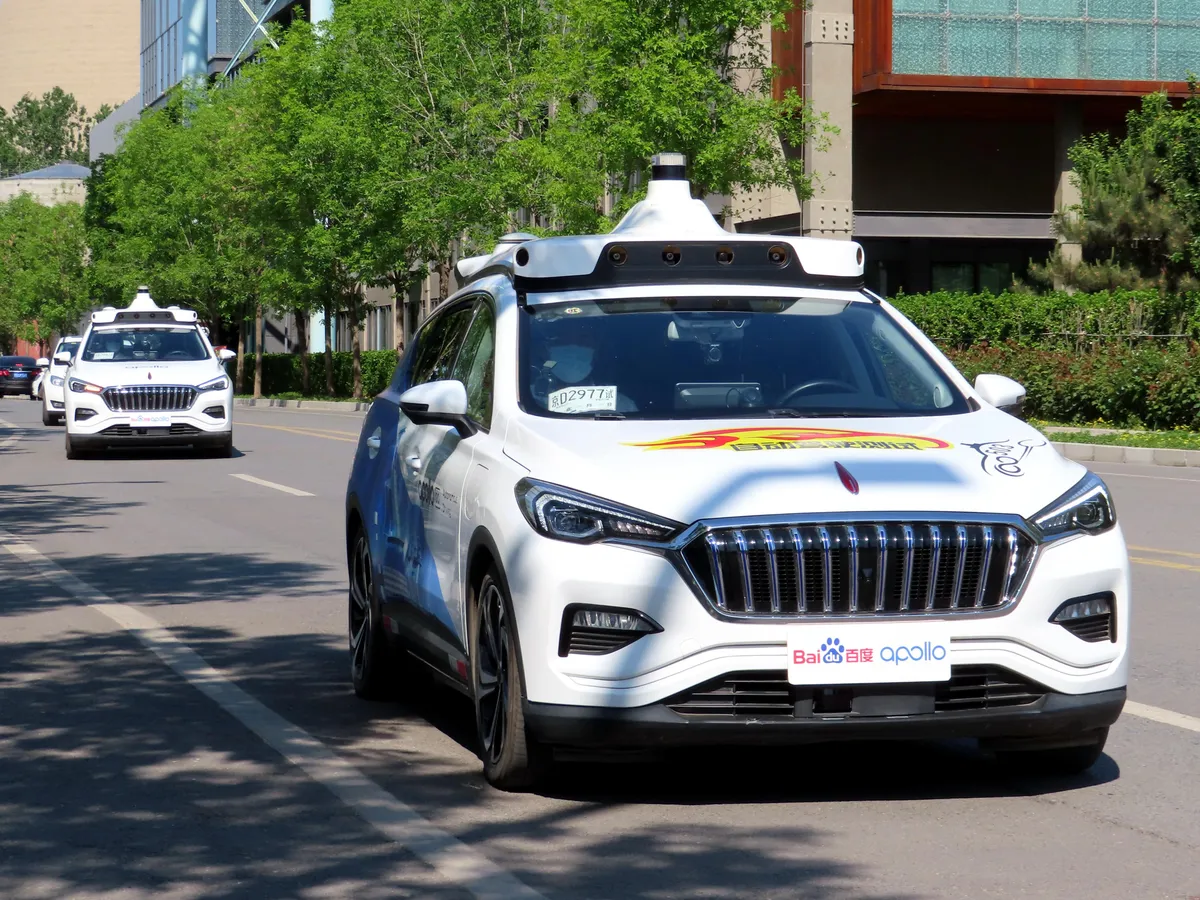
Tesla’s self-driving approach is distinct from its rivals. Unlike Waymo or General Motors’ Cruise, Tesla relies solely on cameras and end-to-end machine learning, which processes visual data into driving decisions. While this method promises simplicity and cost-effectiveness, it lacks the redundant systems, like radar and lidar, that ensure safety in more unpredictable driving scenarios. Autonomous vehicle experts argue this leaves Tesla’s approach vulnerable to “edge cases” — unusual, complex driving conditions that AI may not predict or handle properly.
Another challenge facing Tesla is the “black box” nature of its AI, which makes it difficult to diagnose system failures after accidents. Without clear insight into why the AI makes certain driving decisions, safeguarding against future errors becomes more complex. Industry leaders, including Nvidia CEO Jensen Huang, warn that such AI systems are unreliable without more traditional safety layers like sensors.
For Tesla, achieving full autonomy is crucial as it faces declining sales and fierce competition from Chinese electric vehicle makers. Musk has increasingly pivoted toward autonomous driving as a key priority, with the promise of affordable, driverless robotaxis that can operate anywhere. Tesla’s rivals, while already deploying robotaxi services, are confined to small, meticulously mapped zones and operate more expensive vehicles.
Musk’s bold promises date back years, including a 2016 pledge that Tesla cars would soon be able to drive themselves across the country. Despite numerous delays and failed predictions, Tesla’s upcoming event has sparked widespread speculation, especially after it scrapped plans for a $25,000 mass-market EV, known as the Model 2.
Tesla’s reliance on AI-enabled vision technology does offer advantages, particularly its ability to gather vast amounts of data from millions of vehicles already on the road. This data, analyzed by its machine learning systems, could eventually make Tesla’s cars safer and more autonomous. In contrast, competitors like Waymo and Cruise collect data from much smaller fleets equipped with more expensive sensors.
Despite Musk’s optimism, experts caution that Tesla is still years away from achieving fully autonomous driving capabilities. Waymo’s former CEO John Krafcik emphasized the importance of redundant safety systems and warned that Tesla’s AI approach may be insufficient for ensuring safety. Critics point out that AI systems like Tesla’s cannot always explain why they make certain decisions, complicating efforts to build safe, autonomous vehicles.
Tesla’s bold bet on end-to-end AI has put the company in a race against time. As it focuses heavily on self-driving technology, it risks alienating investors who have supported its electric vehicle ambitions. However, Musk remains undeterred, doubling down on promises to deliver full autonomy within a year. Whether Tesla can overcome the substantial challenges of its AI-driven vision strategy remains uncertain, but the stakes — and potential rewards — are higher than ever.