
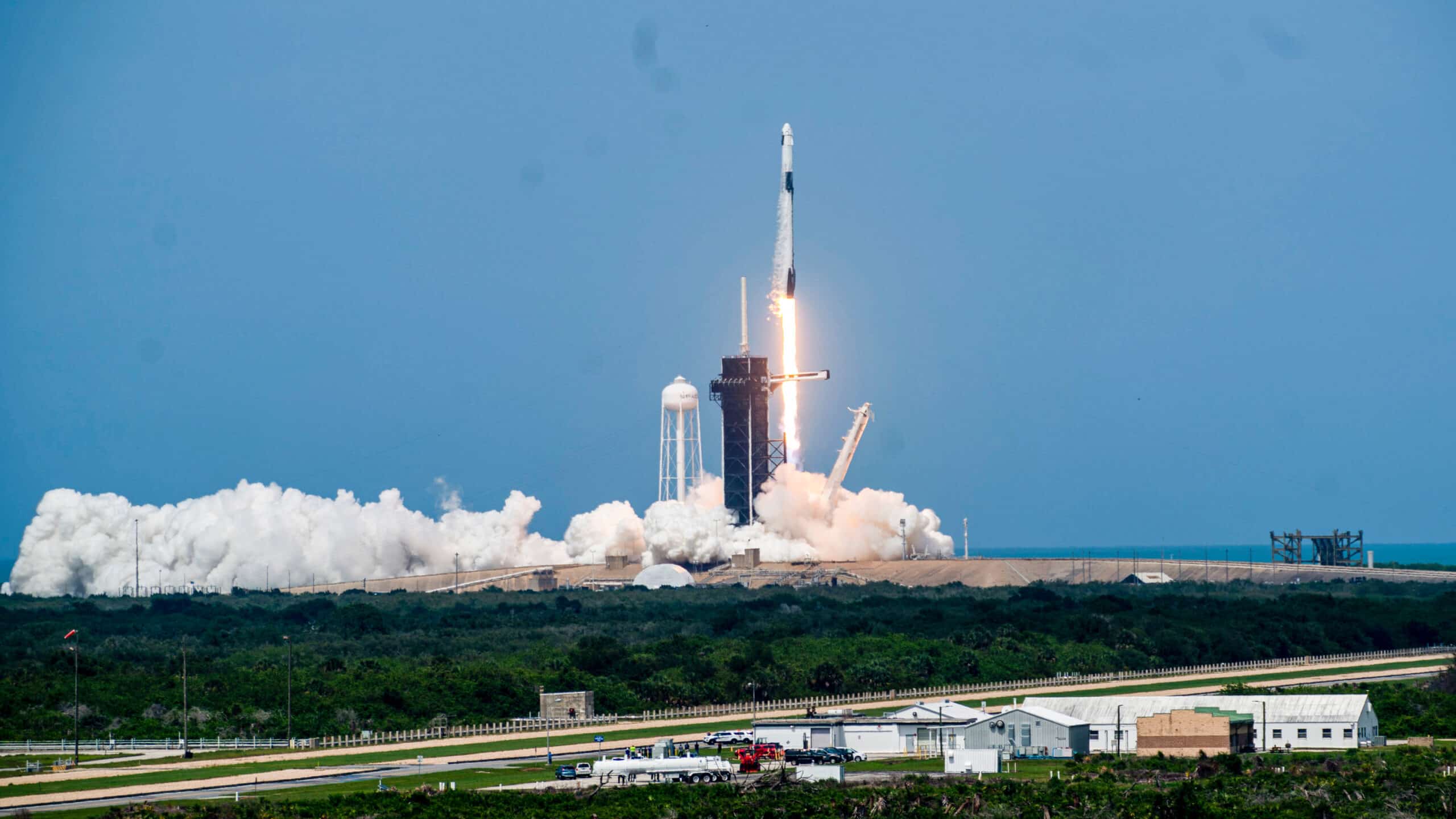
SpaceX Launches Europe’s First Reentry Capsule into Orbit on Bandwagon-3 Rideshare Mission
SpaceX launched the Bandwagon-3 mission from Cape Canaveral Space Force Station, marking a significant milestone in European space exploration. A Falcon 9 rocket carried multiple payloads into orbit, including Phoenix 1, Europe’s first private reentry capsule developed by the German company Atmos Space Cargo. This historic mission is set to make Phoenix 1 the first European capsule designed to return from space after just one orbit, splashing down approximately 1,200 miles offshore of Brazil. This achievement positions Europe at the forefront of private space reentry technology.
Phoenix 1 is a critical development in European aerospace, as it marks the first-ever atmospheric reentry attempt by a European private entity. The capsule is equipped with innovative technologies, including Atmos Space Cargo’s inflatable heat shield, designed to safely return high-value cargo from space. The company’s mission aims to revolutionize space logistics, enabling advancements in areas such as microgravity research, in-orbit manufacturing, defense, and life sciences. The successful reentry and splashdown of Phoenix 1 would lay the groundwork for future commercial applications, boosting the European space sector’s capabilities in these critical fields.
The Bandwagon-3 mission also carried several other significant payloads, including 425Sat-3, operated by South Korea’s Agency for Defence Development, and Tomorrow-S7, a weather satellite from Tomorrow Companies Inc. These diverse payloads demonstrate SpaceX’s continued commitment to providing affordable and flexible access to low Earth orbit through its rideshare program. The Bandwagon series, which began in April 2024, complements SpaceX’s established Transporter series, further enhancing the company’s ability to support various space missions, whether large or small, and reinforcing the trend toward cost-effective space exploration.
Phoenix 1’s launch on the Bandwagon-3 mission highlights a shift in European space logistics towards scalable reentry missions. The success of Phoenix 1 could have profound implications for European space companies, proving the feasibility of private space reentry capabilities. This demonstration would not only validate the Phoenix program but also open the door for future collaborations between commercial entities and research institutions, paving the way for a new era of space exploration and logistics with a focus on reusability and cost efficiency.