Yazılar

US Senate Passes Bill to Regulate Stablecoins, Boosting Corporate Adoption Prospects

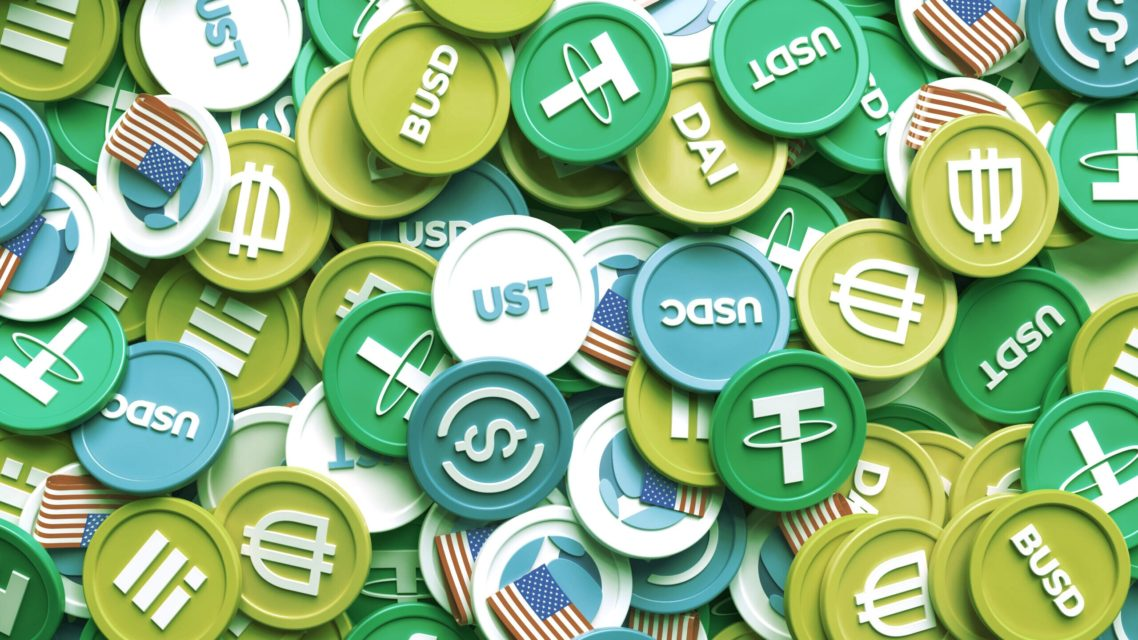
The U.S. Senate has approved the GENIUS Act, a bill establishing a regulatory framework for stablecoins, marking a significant milestone for the growing segment of cryptocurrency designed to maintain stable value, typically pegged 1:1 to the U.S. dollar. The bill’s passage is seen as a key step toward broader adoption of stablecoins by corporations worldwide.

Stablecoins facilitate crypto traders’ movement of funds between tokens, but clearer regulations have been lacking. The bill now moves to the Republican-controlled House of Representatives, where its version must pass before heading to former President Donald Trump’s desk for signing.

If enacted, the law will require stablecoins to be fully backed by liquid assets—such as U.S. dollars and short-term Treasury bills—and mandate issuers to publicly disclose monthly reserve compositions. Analysts believe this regulatory clarity could unlock wider use by companies across multiple sectors.

Several major firms are already engaged or exploring stablecoin initiatives globally:

  • Major U.S. Banks:
    Bank of America CEO Brian Moynihan has indicated possible stablecoin launches. Morgan Stanley seeks to work with regulators on crypto-related transaction roles. Both remain cautious, focusing on pilot programs or partnerships.

  • Societe Generale (France):
    Plans to issue a publicly tradable, dollar-backed stablecoin via its digital asset subsidiary.

  • Retail Giants Walmart and Amazon:
    Reports suggest recent exploration of stablecoin issuance, though Walmart denies current plans and Amazon has not commented.

  • Banco Santander (Spain):
    Considering digital asset expansion including early-stage stablecoin projects.

  • Crypto and Fintech Firms:
    World Liberty Financial launched a dollar-pegged stablecoin USD1 this year. PayPal released a U.S. dollar stablecoin in August 2023. Circle Internet’s USDC and Paxos’ stablecoins are among the largest. Tether’s USDT remains the largest by market cap, followed by MakerDAO’s DAI.

The GENIUS Act’s passage signals increasing regulatory acceptance of stablecoins, potentially accelerating their integration into mainstream corporate finance and payment systems.
SoftBank Targets $4.9 Billion via T-Mobile Share Sale, Bloomberg Reports

SoftBank Group Corp is planning to raise nearly $4.9 billion through an overnight block sale of shares in T-Mobile US, according to a report by Bloomberg News on Monday. The Japanese tech conglomerate is offering to sell 21.5 million T-Mobile shares at a price range of $224 to $228 per share.

The proposed sale price reflects a discount of over 3% from T-Mobile’s closing price of $230.99 on Monday. The stake represents approximately 1.9% of T-Mobile’s outstanding shares, based on Reuters calculations. Bank of America is reportedly handling the deal.

Neither SoftBank nor T-Mobile has issued public comments in response to the report.

SoftBank’s decision to divest part of its T-Mobile holdings comes shortly after it reported a 1.15 trillion yen ($7.94 billion) profit for the fiscal year ending March 2025, rebounding from a 227.6 billion yen loss the previous year. The move also signals SoftBank’s continued strategy of realizing gains from past tech investments to support its broader portfolio, which has included both major successes like Alibaba and high-profile failures like WeWork.

The sale is being conducted as an unregistered offering, typically structured to appeal to institutional investors without going through full regulatory disclosures.

Major U.S. Banks Explore Joint Stablecoin Initiative, WSJ Reports

Several top U.S. banks, including JPMorgan Chase, Bank of America, Citigroup, and Wells Fargo, are reportedly in early discussions to jointly issue a stablecoin, according to a Wall Street Journal report published Thursday. The conversations are still preliminary and conceptual, sources told the newspaper.


Details of the Stablecoin Proposal

  • The effort involves entities co-owned by the banks, including The Clearing House and Early Warning Services.

  • One proposed structure could allow non-owner banks to also use the stablecoin, potentially expanding it into a broadly accepted digital settlement method within the financial industry.

  • The banks aim to explore whether a jointly issued dollar-backed stablecoin could enhance settlement efficiency, particularly for digital payments and interbank transfers.

  • Discussions also include the regulatory implications and technical infrastructure needed for a consortium-based coin.


Context and Market Implications

  • Stablecoins are cryptocurrencies pegged to fiat currencies (usually the U.S. dollar) and are primarily used to transfer value across crypto ecosystems quickly and with minimal volatility.

  • Currently, the U.S. stablecoin market is dominated by private players like Tether (USDT) and Circle (USDC). A move by traditional banks could challenge their dominance and legitimize digital dollar alternatives in regulated finance.

  • The initiative, if realized, would mark one of the most significant entries by traditional financial institutions into crypto infrastructure.


Political and Regulatory Backdrop

  • The report comes amid a shifting regulatory and political landscape in the U.S.:

    • Former President Donald Trump has positioned himself as a pro-crypto advocate, promising to become the “crypto president” and backing policies that promote blockchain innovation.

    • This contrasts with prior Democratic efforts to regulate or restrict aspects of crypto finance.

  • Regional banks are reportedly considering forming a separate consortium, highlighting the fragmented but growing interest in stablecoin issuance across the banking spectrum.


Responses and Next Steps

  • Citigroup, Bank of America, and Wells Fargo declined to comment.

  • JPMorgan did not respond to inquiries.

  • No official decisions have been made, and the project remains exploratory with potential changes in direction depending on regulatory feedback and internal priorities.