Landmark Trial Delivers Long Sentences to Pro-Democracy Activists
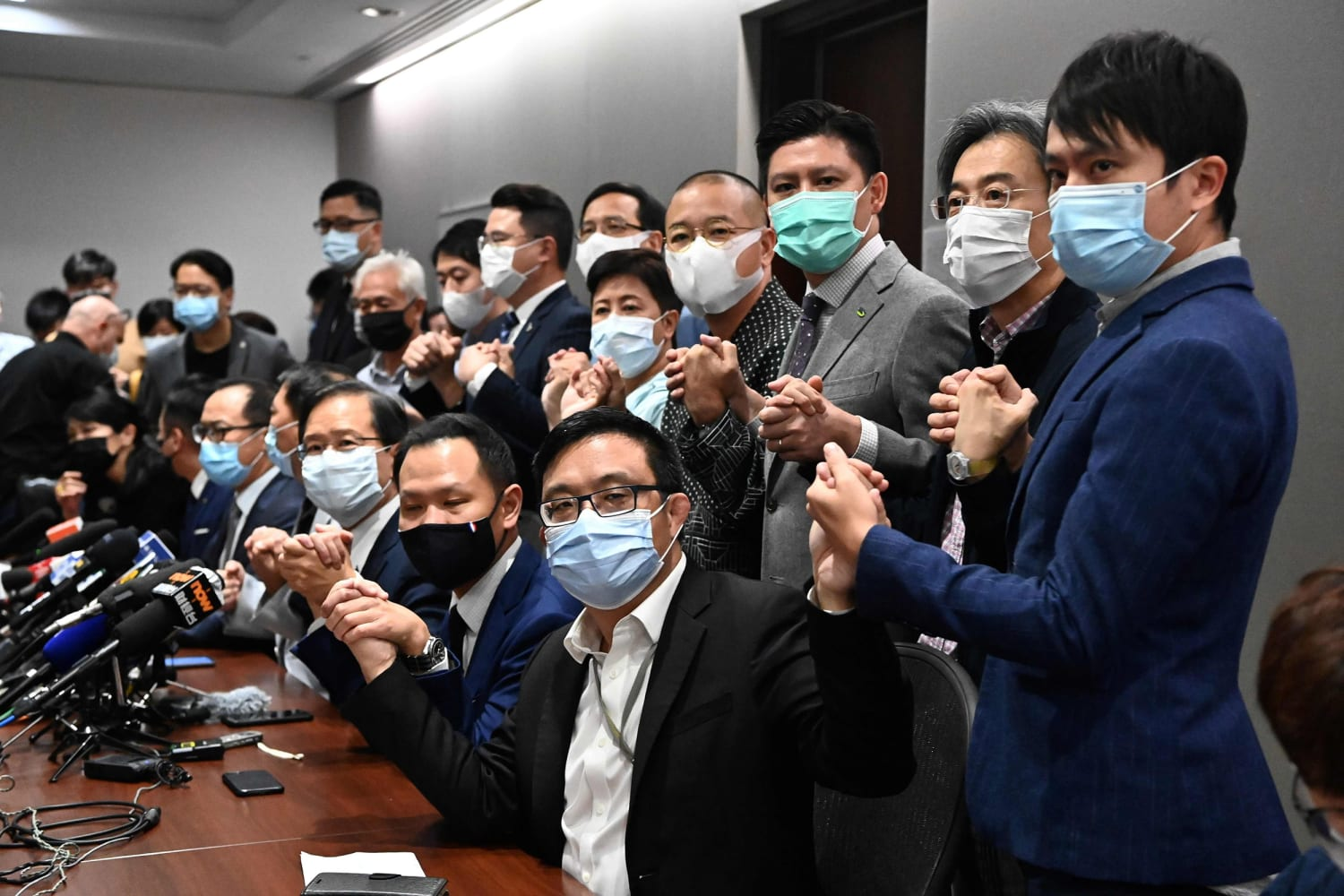
On Tuesday, Hong Kong’s High Court sentenced 45 pro-democracy activists to prison terms ranging from 4 to 10 years following a landmark trial under the Beijing-imposed National Security Law (NSL). The case, involving 47 activists charged with conspiracy to commit subversion, has drawn widespread condemnation from Western governments and international observers.
The charges stem from an unofficial 2020 “primary election” organized to select candidates for Hong Kong’s Legislative Council. Prosecutors alleged the activists planned to paralyze the government through disruptive actions if elected. Prominent legal scholar Benny Tai, described as the scheme’s “mastermind,” received the harshest penalty of 10 years, marking the longest sentence issued under the NSL since its enactment in 2020.
International and Local Backlash
The U.S. and Australia were among the governments voicing strong opposition to the sentences. U.S. officials criticized the trial as “politically motivated” and called for the activists’ release, emphasizing that their actions were peaceful and lawful expressions of political participation. Australia’s Foreign Minister Penny Wong echoed similar concerns, urging Beijing to halt its “suppression of freedoms” in Hong Kong.
China’s foreign ministry dismissed the criticisms, asserting that no one is exempt from legal consequences under the guise of democracy. “Beijing firmly supports Hong Kong’s efforts to safeguard national security,” said spokesperson Lin Jian.
Taiwan also condemned the sentences, stating that democracy and freedom are universal values and pledging continued solidarity with Hong Kong.
Trial Highlights and Sentencing Details
- Convictions and Sentences: After a 118-day trial, 14 activists were convicted, while 31 others pled guilty, receiving sentences reduced by a third in acknowledgment of their pleas. Joshua Wong, a prominent activist, was sentenced to 4 years and 8 months, while Hendrick Lui received over 4 years.
- Judicial Justification: Judges emphasized that the activists’ scheme, though potentially unsuccessful, posed significant risks to government stability. They cited the degree of planning and number of participants as aggravating factors.
- Defendants’ Reactions: Gwyneth Ho, sentenced to 7 years, criticized the crackdown on democracy in a social media post. Outside the court, families and supporters expressed their dismay, with some maintaining the innocence of the activists.
Public and Diplomatic Responses
The trial has further polarized opinions on Hong Kong’s autonomy and freedoms. Hundreds of people queued outside the court in support of the defendants, highlighting the ongoing public concern for the erosion of rights.
The timing of the ruling coincided with an international financial summit in Hong Kong aimed at restoring confidence in its status as a global financial hub. Critics argue that the harsh sentences tarnish the city’s reputation and deepen skepticism about its autonomy.
U.S. President-elect Donald Trump’s nominee for Secretary of State, Marco Rubio, has been a vocal critic, describing the trial as a “comprehensive assault on Hong Kong’s autonomy and fundamental freedoms.”
Implications for Hong Kong
The ruling marks a significant milestone in Beijing’s enforcement of the NSL, signaling its determination to suppress dissent and reshape Hong Kong’s political landscape. While the government defends the law as essential for maintaining stability, critics view the sentences as a chilling message to the pro-democracy movement.
The broader international backlash may increase tensions between Beijing and Western nations while spotlighting the diminishing freedoms in what was once considered Asia’s most vibrant democracy.