Yazılar

Judge Rejects Apple’s Bid to Dismiss U.S. Antitrust Lawsuit over iPhone Market Power

Apple must face a U.S. Department of Justice (DOJ) lawsuit accusing it of unlawfully maintaining monopoly power in the U.S. smartphone market, a federal judge ruled on Monday. The decision paves the way for a potentially years-long legal battle over Apple’s business practices.

U.S. District Judge Julien Neals in Newark, New Jersey, denied Apple’s motion to dismiss the case, which centers on how the company allegedly uses technical and contractual restrictions to limit competition. The DOJ, joined by several states and Washington, D.C., argues that Apple has implemented policies that discourage users from switching to rival devices and suppress third-party innovation in areas like apps, smartwatches, messaging, and digital wallets.

An Apple spokesperson responded by saying the company believes the lawsuit is flawed in both fact and law, and vowed to vigorously defend itself in court. The DOJ declined to comment on the ruling.

Apple’s iPhone, the world’s most popular smartphone, generated $201 billion in sales in 2024. The tech giant introduced a new budget iPhone model in February, pricing it $170 higher than the previous version despite added features.

The antitrust case, filed in March 2024, argues that Apple’s practices—including restricting app developer access, imposing high fees, and limiting device interoperability—create unlawful barriers to competition. Apple counters that these policies are necessary for security and innovation, and that being forced to share proprietary technology could undermine its product ecosystem.

This case joins a broader wave of U.S. antitrust actions against major tech companies, spanning both the Biden and Trump administrations. Meta Platforms and Amazon are also facing monopoly lawsuits, while Google-owner Alphabet is battling two separate antitrust cases.
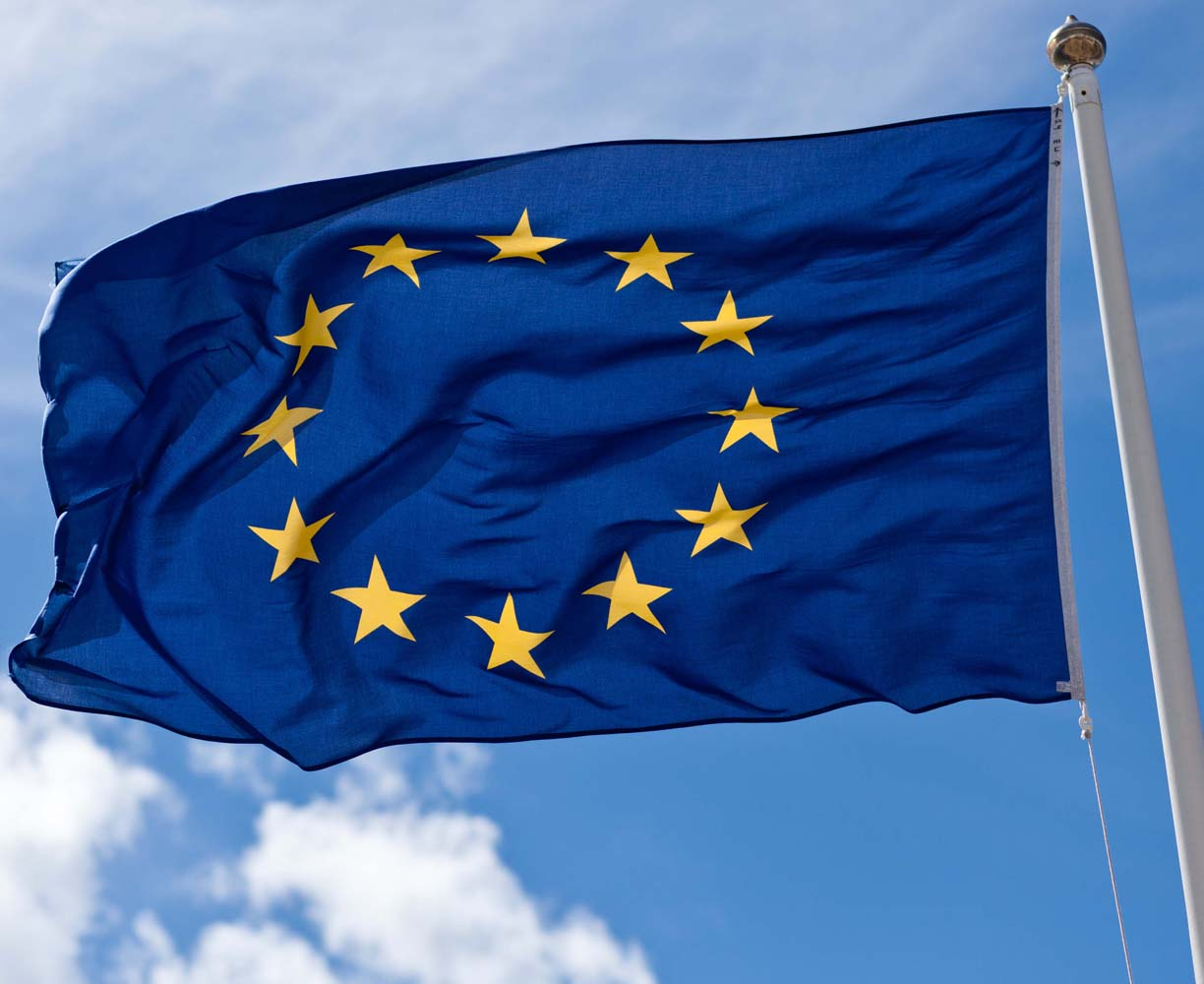
EU Pledges Global Digital Cooperation Amid Strained U.S. Ties

The European Union announced on Thursday a new International Digital Strategy to strengthen cooperation with global partners, aiming to enhance its competitiveness and promote a rules-based digital order. The move comes as tensions with the United States escalate over EU regulations targeting major American tech firms.

EU tech chief Henna Virkkunen emphasized the bloc’s determination to remain a “stable and reliable partner” in the global digital landscape, despite growing geopolitical challenges. “We are living through a profound digital revolution that is reshaping economies and societies worldwide,” Virkkunen said during a press conference. “In this environment, the EU is stepping forward as a stable and reliable partner, deeply committed to digital cooperation with our allies and partners.”

The strategy outlines cooperation across multiple sectors, including energy, transport, finance, health, cybersecurity, emerging technologies like AI and quantum computing, and digital governance that supports democratic values and social cohesion. Protecting children on online platforms is also a key focus area.

The announcement follows increasing U.S. criticism of the EU’s tech regulations, particularly the Digital Markets Act and Digital Services Act, which aim to curb the influence of major tech companies. Washington has accused Brussels of unfairly targeting American firms and even threatened retaliatory tariffs following heavy fines imposed on U.S. tech giants.

Virkkunen explained that the EU’s digital plan rests on two core pillars: enhancing the bloc’s own competitiveness in strategic technologies and supporting partner nations in achieving their digital transformation objectives. “No country or region can lead the technological revolution alone,” she stressed, reaffirming the EU’s commitment to creating a global digital framework rooted in democratic principles and fundamental values.

The 27-country bloc sees its proactive engagement with international partners as a way to counterbalance strained transatlantic relations while asserting its leadership in shaping global digital standards.

EU Reassesses Tech Probes Into Apple, Google, and Meta Amid Regulatory Review

The European Commission is reevaluating its ongoing investigations into tech giants Apple, Meta, and Google under the Digital Markets Act (DMA), according to a report by the Financial Times on Tuesday. The review comes as the implications of U.S. President-elect Trump’s upcoming presidency have reportedly added a new dimension to the regulatory scrutiny.

Sources cited by the Financial Times clarified that Trump’s election victory did not directly trigger the review but is being considered in its context. The ongoing reassessment could result in changes to the scope or intensity of investigations launched since March 2024 under the DMA, the EU’s stringent framework designed to curb market dominance by major tech platforms. This legislation allows for penalties of up to 10% of a company’s annual revenue for violations.

While technical work on the cases will proceed, decisions and potential fines have been paused until the review concludes. Regulators are said to be awaiting political guidance before making final determinations regarding the cases against Apple, Meta, and Google.

The DMA, which took effect in 2022, aims to ensure a level playing field for smaller competitors and to curtail monopolistic practices by Big Tech companies. However, the review’s outcome could reshape how the regulations are enforced.

Meanwhile, Meta recently announced it would discontinue its U.S. fact-checking program as part of a broader overhaul of its content moderation strategies, potentially signaling a shift in approach under CEO Mark Zuckerberg to align more closely with the incoming U.S. administration.

Additionally, Bloomberg News reported that the EU may expand its investigations to include allegations against Elon Musk’s social media platform, X, for potentially breaching EU content moderation rules.

Apple, Meta, Google, and the European Commission have not yet commented on the review or related developments.