Yazılar

From Bitcoin to XRP: A Guide to Key Cryptocurrency Terms and Their Meanings

The cryptocurrency market is often filled with terms that can confuse newcomers and seasoned investors alike. With Bitcoin’s price reaching new highs in November, the buzz around cryptocurrencies has surged once again. From blockchain technology to ETFs, here’s a breakdown of some key cryptocurrency terms to help you navigate the digital finance world.

Bitcoin
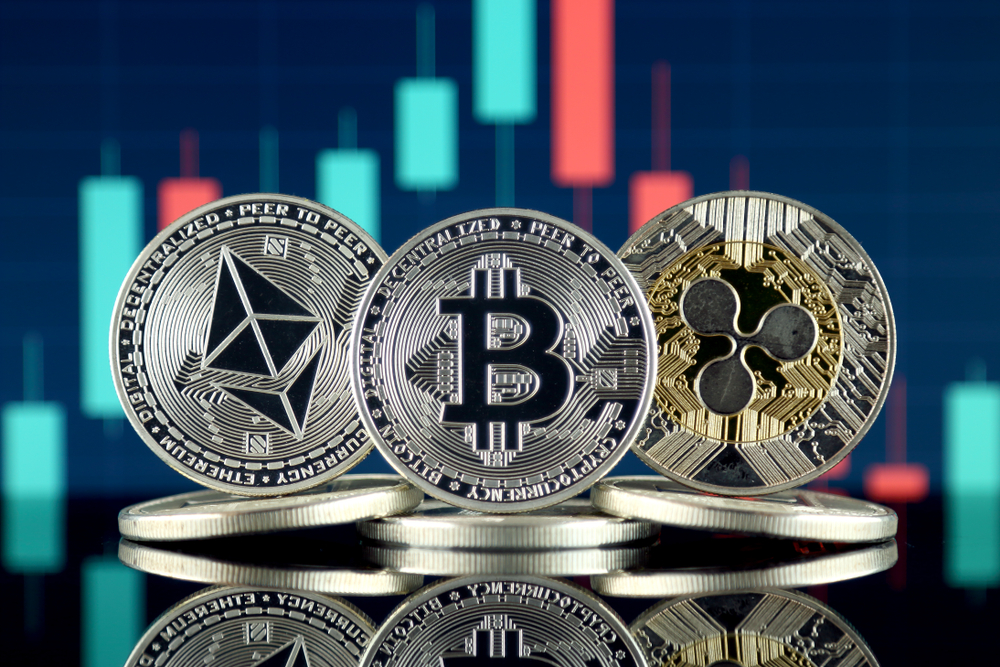
Bitcoin, the most famous cryptocurrency, is a digital form of currency that operates outside of traditional financial systems. It is decentralized, meaning no central institution controls it. This characteristic makes it appealing to those seeking financial freedom, but also contributes to its volatility. In 2024, Bitcoin saw significant growth, especially after the US presidential election in November, nearing $100,000 in value, though it is often subject to sharp price fluctuations.

Bitcoin ‘Halving’
Bitcoin operates on a capped supply of 21 million coins, and approximately every four years, the reward for validating Bitcoin transactions (known as “mining”) is halved. This event, called “Bitcoin halving,” reduces the number of newly minted bitcoins and slows inflation, potentially increasing scarcity. The most recent halving occurred in April 2024, cutting miners’ rewards from 6.25 to 3.125 bitcoins per block, raising questions about mining profitability.

Blockchain
The technology behind most cryptocurrencies, including Bitcoin, is blockchain. It’s essentially a decentralized digital ledger, recording every cryptocurrency transaction across a network of computers. This process involves volunteers (miners) verifying transactions, with the first to validate rewarded in cryptocurrency. Although vital, mining consumes significant energy, leading to environmental concerns.

Crypto Exchange
A crypto exchange is a platform where users can buy, sell, and trade cryptocurrencies. Similar to stock brokers, these platforms allow people to exchange traditional money for digital currencies, with transaction fees typically involved.

Crypto Wallet
Crypto wallets store digital currencies. There are two types: hot wallets, which are connected to the internet and provide easy access for trading, and cold wallets, physical devices that store cryptocurrencies offline, offering more secure long-term storage.

Ethereum
Ethereum, the second-largest cryptocurrency by market capitalization, functions both as a cryptocurrency (Ether) and a blockchain platform supporting decentralized applications (dApps) and non-fungible tokens (NFTs). In 2022, Ethereum transitioned to a more eco-friendly system that consumes less energy.

Exchange-Traded Funds (ETFs)
ETFs allow investors to buy a basket of assets, such as stocks or commodities, without owning them directly. A spot Bitcoin ETF, for instance, buys Bitcoin at its current price, allowing investors like BlackRock and Fidelity to invest in Bitcoin without the complexity of crypto exchanges or wallets. In January 2024, the US approved several Bitcoin ETFs, marking a significant step in institutional adoption.

Stablecoins
Stablecoins are designed to have a stable value, usually pegged to traditional assets like the US dollar. They aim to reduce the volatility associated with cryptocurrencies like Bitcoin. However, their stability has been questioned, especially after the collapse of high-profile stablecoins, leading to increased regulatory scrutiny.

XRP
XRP is the cryptocurrency used on the XRP Ledger, a platform designed for fast, low-cost transactions. Created by Ripple Labs in 2012, XRP offers an alternative to Bitcoin by utilizing a consensus protocol rather than mining to verify transactions. This method allows faster processing speeds and lower costs, making XRP particularly appealing for financial institutions involved in cross-border payments. Despite its advantages, XRP has faced regulatory challenges and seen significant price fluctuations.

Bitcoin Surges to Record High of $97,903 Amid Investor Optimism

Key Highlights

  • Bitcoin achieved a new all-time high of $97,903, marking a significant milestone as it surged past the $95,000 threshold.
  • Market sentiment is buoyed by speculation that a potential second term for Donald Trump could create a favorable environment for cryptocurrencies.
  • The flagship cryptocurrency has gained over 127% in 2024, fueled by institutional adoption, regulatory shifts, and macroeconomic factors.

Market Performance

  • Current Price: Bitcoin was trading at $97,646.68, up more than 3% according to Coin Metrics.
  • Supporting Stocks: Shares of MicroStrategy, a notable Bitcoin proxy, climbed 3% in extended trading, while mining stocks such as Mara Holdings rose 4%.
  • Year-to-Date Gains: Bitcoin’s value has more than doubled since the start of the year, positioning it to potentially breach the $100,000 mark by year-end.

Drivers Behind the Surge

  1. Regulatory Optimism:
    • Speculation about supportive cryptocurrency regulations under another Trump presidency has energized the market.
    • Expectations include potential federal initiatives such as a national Bitcoin reserve, which would signal heightened adoption at the governmental level.
  2. Macroeconomic Conditions:
    • Analysts link Bitcoin’s rise to forecasts of larger U.S. budget deficits and inflation, alongside potential shifts in the international role of the U.S. dollar.
    • Such factors enhance Bitcoin’s appeal as a hedge against economic uncertainty and currency devaluation.
  3. Institutional and Retail Momentum:
    • Increased institutional participation, alongside growing retail adoption, has bolstered liquidity and confidence in the cryptocurrency market.
    • According to Sam Callahan of Swan Bitcoin, a combination of improved liquidity and reduced regulatory headwinds is driving the bullish sentiment.

Future Projections

  • Bitcoin is widely expected to cross the $100,000 milestone before the end of 2024, with some analysts predicting a potential doubling of its value by the close of 2025.
  • The cryptocurrency’s trajectory underscores its evolving role as a store of value and a key component in diversified portfolios.

Another Disappointing Search for Bitcoin’s Creator Ends in Mystery

Bitcoin, now at the heart of a multi-trillion-dollar cryptocurrency industry, still holds one of the tech world’s most intriguing mysteries: the true identity of its founder, Satoshi Nakamoto. This enigmatic figure’s influence would carry enormous weight in the crypto world, given their revolutionary impact on digital currencies and a billion-dollar Bitcoin stash. Yet, the quest to uncover Nakamoto’s identity has once again hit a dead-end.

The latest attempt to reveal Nakamoto came when a press conference was held in London by organizer Charles Anderson, who claimed that Nakamoto was finally ready to step forward. The high-profile event offered reporters front-row seats at £100 each and an additional £500 for exclusive interviews, which many found unusual given the claimed wealth of Bitcoin’s inventor.

When the event took place, the venue, Frontline Club, clarified it was merely providing the space without endorsing the occasion. The anticipation quickly turned to skepticism as only a handful of reporters attended. Stephen Mollah eventually came forward, announcing himself as Nakamoto and claiming responsibility for Bitcoin’s creation. However, Mollah provided no substantial evidence, such as unlocking Bitcoin from Nakamoto’s original wallet, which would have solidified his claims. Reporters soon left, unconvinced and frustrated, noting yet another failed attempt to identify Nakamoto.

This unsuccessful attempt joins a long list of claims surrounding Nakamoto’s identity. Dorian Nakamoto, an American of Japanese descent, was identified as Nakamoto by Newsweek in 2014 but denied the claim. Later, Australian scientist Craig Wright asserted he was Nakamoto but has yet to produce convincing evidence despite extensive media coverage. Elon Musk has also been speculated as Nakamoto, though he has publicly denied any connection. Most recently, Canadian Bitcoin expert Peter Todd was suggested as Nakamoto by an HBO documentary, though Todd dismissed the claim and described the attention as an invasion of privacy.

For many, Nakamoto’s anonymity is central to Bitcoin’s ethos. Natalie Brunell, a Bitcoin podcaster, believes the concealment was intentional, allowing Bitcoin to develop as a decentralized system, free from influence by a central figure. “By concealing his true identity, Satoshi ensured that Bitcoin wouldn’t have a leader or central figure, whose personal agenda could influence the protocol,” she explained. Adam Back, a core Bitcoin developer and another candidate, shared a similar view, noting on social media that the unresolved mystery strengthens Bitcoin’s decentralized nature.

Yet, some experts argue that the obsession with Nakamoto’s identity distracts from Bitcoin’s broader impact. Carol Alexander, a finance professor at Sussex University, suggests that the focus on Nakamoto takes away from essential discussions about cryptocurrency’s potential to reshape global finance. Despite the ongoing fascination, Nakamoto’s identity remains elusive, fueling speculation while preserving Bitcoin’s unique place as a leaderless and decentralized system in the financial world.