Yazılar

Gravitational Waves Uncover Black Hole Ancestry Through Spin Analysis

Gravitational Waves Unlock Clues to Black Hole Ancestry Through Spin Analysis

Gravitational waves, the ripples in spacetime first predicted by Albert Einstein, have opened a new window into the mysteries of black hole formation and evolution. These waves, detected from black hole mergers, now offer valuable clues about the origins of these cosmic giants. By analyzing the spin of black holes, researchers have discovered that this characteristic can reveal whether the black hole was born from a series of mergers in densely packed star clusters. This breakthrough offers an exciting path toward understanding the complex lifecycle of black holes.

Study Links Black Hole Spin to Ancestry

A study recently published in Physical Review Letters details groundbreaking research led by Fabio Antonini from Cardiff University’s School of Physics and Astronomy. The team analyzed 69 gravitational wave events, shedding light on how black holes accumulate mass and evolve. Their analysis found that once a black hole reaches a certain mass threshold, its spin exhibits a noticeable shift. This shift aligns with models suggesting that black holes can grow and evolve through successive mergers, particularly in dense star clusters where smaller black holes often collide.

Spin as a Key Indicator

The study’s findings point to a significant correlation between a black hole’s spin and its history of formation. Isobel Romero-Shaw, a researcher at the University of Cambridge, emphasized that this study offers a data-driven approach to trace a black hole’s ancestry. High-mass black holes, in particular, were found to exhibit a spin that suggests they were formed in environments where smaller black holes frequently merge. This finding is crucial for constructing a more detailed and accurate picture of black hole evolution over cosmic time.

Implications for Understanding Black Hole Growth

These new insights into black hole spin could have far-reaching implications for the study of gravitational waves and black hole formation. By leveraging the data from gravitational wave observations, scientists are now able to reverse-engineer the evolutionary history of black holes. This approach helps identify not only the conditions under which black holes form, but also how they interact and grow over time. As more gravitational wave events are detected, the ability to trace the ancestry of black holes will further enhance our understanding of these mysterious objects, transforming our knowledge of the universe.
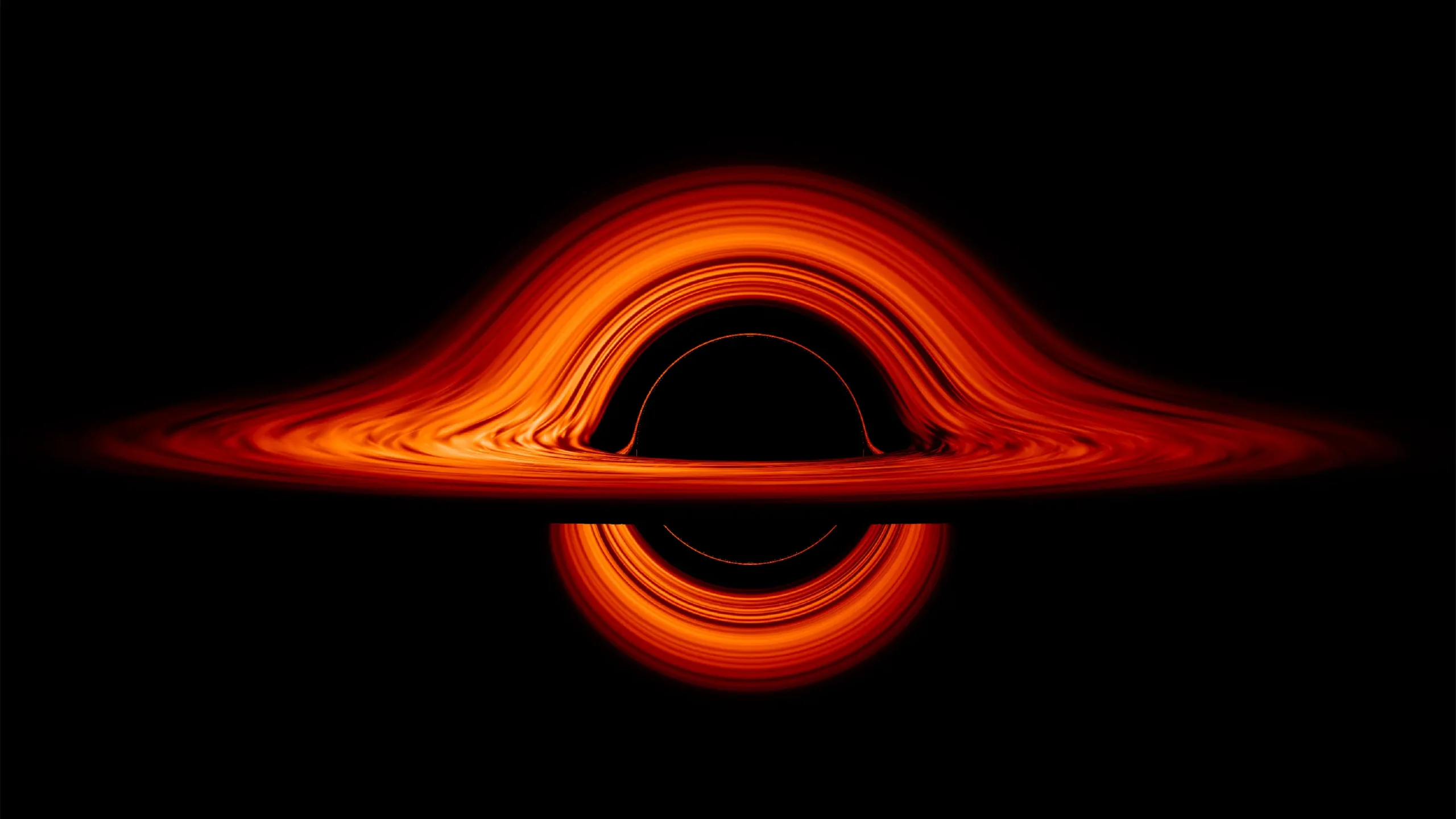
Research Suggests Black Holes May Fuel the Expansion of the Universe

Astronomers are currently exploring a groundbreaking and controversial theory that black holes could be connected to the accelerated expansion of the universe, which is primarily attributed to dark energy. Dark energy, a mysterious force that makes up roughly 70 percent of the universe, has long been understood to cause the universe’s expansion by pushing galaxies apart. Since the discovery of dark energy, it has been assumed that it exists evenly throughout space, acting as a uniform force. However, a recent study published in the Journal of Cosmology and Astroparticle Physics presents a new perspective, suggesting a potential link between black holes and dark energy. This idea challenges traditional cosmological models and opens the door for further debate in the scientific community.

The research, led by a team using the Dark Energy Spectroscopic Instrument (DESI) at the Nicholas U. Mayall Telescope in Arizona, examined the relationship between black holes and dark energy. By analyzing data from deep space observations, the researchers sought to estimate the evolution of dark energy over cosmic history. Surprisingly, their results indicated a correlation between the growth of black holes and an increase in dark energy density over time. According to Dr. Gregory Tarlé, a professor of physics at the University of Michigan and co-author of the study, this relationship may suggest that the immense gravitational forces within black holes mimic the conditions that existed during the universe’s early stages. Tarlé likens this to a “reverse inflation” process, in which the collapse of a massive star could produce dark energy in a manner opposite to the Big Bang.

If this theory proves correct, it could help solve a major cosmological puzzle known as the “Hubble tension.” This refers to the observed discrepancies in the rate at which different regions of the universe expand, which current models struggle to reconcile. The idea that black holes might play a role in these variations in expansion offers a fresh avenue of exploration. Dr. Duncan Farrah, an associate professor of physics at the University of Hawaii and another co-author of the study, suggests that the evidence for a connection between black holes and dark energy is becoming increasingly plausible. If validated, this could lead to significant revisions in our understanding of cosmology and the forces shaping the universe’s evolution.

The implications of such a discovery would not only reshape theoretical physics but also have far-reaching consequences for future space exploration. If black holes are indeed contributing to the expansion of the universe, it would imply that their influence extends far beyond their immediate surroundings, potentially altering our perception of the role they play in the cosmos. This theory also calls for a reevaluation of dark energy itself, perhaps suggesting that it is not just a passive force but one actively involved in the cosmic processes that shape space-time. As research continues, the scientific community will undoubtedly continue to investigate this fascinating possibility, seeking answers to the most profound questions about the nature of the universe.

Hubble Observations Reveal Supermassive Black Hole Jets Linked to Surge in Nova Explosions

Hubble Discovers Connection Between Supermassive Black Hole Jets and Increased Nova Explosions

At the core of most large galaxies resides a supermassive black hole, a cosmic entity that significantly influences the dynamics of its surrounding environment. These black holes are known for their voracious appetite for energy and matter, leading to the generation of powerful jets of plasma that travel at nearly the speed of light. A prime example is the supermassive black hole located in Messier 87, which is situated approximately 54 million light-years from Earth and produces jets that extend over 3,000 light-years into space. These jets are not merely a byproduct of black hole activity; they play a crucial role in shaping the galaxies around them.

Recent observations from the Hubble Space Telescope have brought to light an intriguing phenomenon: double-star systems located near these supermassive black hole jets are experiencing a notable increase in nova explosions. Typically, these systems consist of a normal star and a white dwarf. When the normal star expands during its life cycle, it can shed material that becomes attracted to the dense white dwarf. This material accumulation eventually leads to a catastrophic explosion known as a nova. The proximity to the powerful jets generated by the black hole seems to enhance this explosive process, suggesting a fascinating interplay between black holes and their stellar neighbors.

Research conducted by astronomers, including Alec Lessing from Stanford University, highlights the significance of these findings. Lessing remarked on the implications of the study, stating, “This means there’s something missing from our understanding of how black hole jets interact with their surroundings.” The research team collected data over a period of nine months, revealing a statistically significant correlation between the activity of black hole jets and the increased frequency of nova explosions in the vicinity. This correlation indicates that the influence of supermassive black holes extends beyond their immediate vicinity and may have broader implications for stellar evolution and galactic dynamics.

While the exact mechanism by which black hole jets enhance nova activity remains uncertain, the research opens new avenues for exploration in astrophysics. Understanding the relationship between supermassive black holes and nova explosions could provide insights into the lifecycle of stars and the intricate interactions that occur within galaxies. The findings also raise questions about the role of other cosmic phenomena in influencing stellar behavior, prompting further investigation into the nature of these explosive events.

Looking ahead, researchers are eager to delve deeper into the dynamics of black hole jets and their impact on surrounding celestial bodies. Future observations, potentially utilizing advanced telescopes and monitoring systems, may provide additional data to unravel the complexities of these interactions. By enhancing our understanding of how supermassive black holes influence their environments, scientists can piece together a more comprehensive picture of galactic evolution.

In summary, the discovery of a link between supermassive black hole jets and increased nova explosions signifies a noteworthy advancement in our understanding of cosmic dynamics. As researchers continue to study this relationship, we may uncover new aspects of the universe that challenge existing theories and expand our knowledge of the intricate tapestry of celestial phenomena.