
Yazılar

Bitcoin Surges Past $100,000 Amid Trump-Driven Crypto Optimism

Bitcoin crossed the $100,000 mark for the first time on Thursday, signaling a historic milestone for digital assets. The surge followed U.S. President-elect Donald Trump’s nomination of pro-crypto advocate Paul Atkins to lead the Securities and Exchange Commission (SEC), propelling Bitcoin to a record high of $103,619 before settling at $102,650.

The cryptocurrency market, now valued at nearly $3.8 trillion according to CoinGecko, has doubled in size this year, rivaling the market capitalization of tech giant Apple. Bitcoin, often viewed as the face of decentralized finance, has doubled its value in 2024 and surged more than 50% in the four weeks since Trump’s election victory, which brought a wave of crypto-friendly lawmakers into Congress.

Institutional Adoption and Regulatory Momentum

Industry experts describe this moment as a “paradigm shift” for digital assets. Mike Novogratz, CEO of Galaxy Digital, highlighted factors such as institutional adoption, tokenization advancements, and clearer regulatory frameworks as drivers of Bitcoin’s mainstream integration.

Trump’s campaign promises to make the U.S. a global leader in cryptocurrency, coupled with his pledge to accumulate a national Bitcoin reserve, have bolstered market optimism. Pro-crypto policies and the nomination of Atkins, known for his work on digital asset best practices, signal a more favorable regulatory landscape. The Blockchain Association praised Atkins as a key figure in ushering a “new wave of American crypto innovation.”

Institutional and Market Drivers

Institutional investors have played a significant role in Bitcoin’s rally. U.S.-listed Bitcoin exchange-traded funds (ETFs), approved in January 2024, have attracted over $4 billion since the election, accounting for approximately 3% of Bitcoin’s total supply this year. The normalization of digital assets in financial markets is becoming evident, with trading desks for cryptocurrencies emerging alongside traditional asset classes such as foreign exchange and commodities.

Bitcoin’s journey into six-figure territory also marks a dramatic recovery from its 2022 lows of under $16,000, following the collapse of the FTX exchange. Analysts note that the launch of Bitcoin futures in 2017 and the strong performance of BlackRock’s Bitcoin ETF options in November 2024 further demonstrate the financialization of the asset.

Crypto-related stocks have surged alongside Bitcoin’s rise. Companies like MARA Holdings and Coinbase saw their shares climb 65% in November, while MicroStrategy, which holds over 402,000 bitcoins, has gained 540% this year.

Criticism and Resilience

Despite its success, the cryptocurrency industry faces ongoing criticism. Concerns over energy consumption, crypto-related crime, and unfulfilled promises of transformative financial technology persist. On Wednesday, U.S. and U.K. authorities disrupted a cryptocurrency-based global money laundering ring tied to Russian elites and drug traffickers.

Still, Bitcoin’s resilience has drawn attention. Russian President Vladimir Putin remarked that its decentralized nature makes it immune to prohibition. Economists like Shane Oliver of AMP acknowledge Bitcoin’s momentum but admit its value remains difficult to assess, adding, “As time goes by, it’s proving itself as part of the financial landscape.”

The Road Ahead

As the Trump administration prepares to take office, the cryptocurrency market appears poised for further growth. Trump’s launch of World Liberty Financial in September, along with Elon Musk’s continued advocacy for digital assets, underscores the increasing prominence of cryptocurrencies in shaping future financial systems.
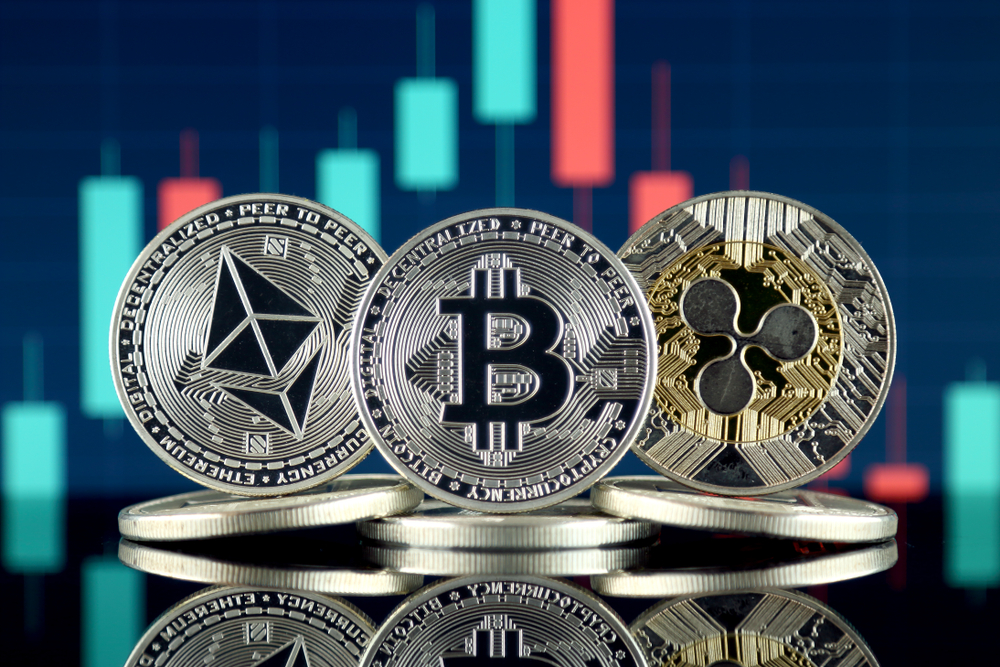

From Bitcoin to XRP: A Guide to Key Cryptocurrency Terms and Their Meanings

The cryptocurrency market is often filled with terms that can confuse newcomers and seasoned investors alike. With Bitcoin’s price reaching new highs in November, the buzz around cryptocurrencies has surged once again. From blockchain technology to ETFs, here’s a breakdown of some key cryptocurrency terms to help you navigate the digital finance world.

Bitcoin
Bitcoin, the most famous cryptocurrency, is a digital form of currency that operates outside of traditional financial systems. It is decentralized, meaning no central institution controls it. This characteristic makes it appealing to those seeking financial freedom, but also contributes to its volatility. In 2024, Bitcoin saw significant growth, especially after the US presidential election in November, nearing $100,000 in value, though it is often subject to sharp price fluctuations.

Bitcoin ‘Halving’
Bitcoin operates on a capped supply of 21 million coins, and approximately every four years, the reward for validating Bitcoin transactions (known as “mining”) is halved. This event, called “Bitcoin halving,” reduces the number of newly minted bitcoins and slows inflation, potentially increasing scarcity. The most recent halving occurred in April 2024, cutting miners’ rewards from 6.25 to 3.125 bitcoins per block, raising questions about mining profitability.

Blockchain
The technology behind most cryptocurrencies, including Bitcoin, is blockchain. It’s essentially a decentralized digital ledger, recording every cryptocurrency transaction across a network of computers. This process involves volunteers (miners) verifying transactions, with the first to validate rewarded in cryptocurrency. Although vital, mining consumes significant energy, leading to environmental concerns.

Crypto Exchange
A crypto exchange is a platform where users can buy, sell, and trade cryptocurrencies. Similar to stock brokers, these platforms allow people to exchange traditional money for digital currencies, with transaction fees typically involved.

Crypto Wallet
Crypto wallets store digital currencies. There are two types: hot wallets, which are connected to the internet and provide easy access for trading, and cold wallets, physical devices that store cryptocurrencies offline, offering more secure long-term storage.

Ethereum
Ethereum, the second-largest cryptocurrency by market capitalization, functions both as a cryptocurrency (Ether) and a blockchain platform supporting decentralized applications (dApps) and non-fungible tokens (NFTs). In 2022, Ethereum transitioned to a more eco-friendly system that consumes less energy.

Exchange-Traded Funds (ETFs)
ETFs allow investors to buy a basket of assets, such as stocks or commodities, without owning them directly. A spot Bitcoin ETF, for instance, buys Bitcoin at its current price, allowing investors like BlackRock and Fidelity to invest in Bitcoin without the complexity of crypto exchanges or wallets. In January 2024, the US approved several Bitcoin ETFs, marking a significant step in institutional adoption.

Stablecoins
Stablecoins are designed to have a stable value, usually pegged to traditional assets like the US dollar. They aim to reduce the volatility associated with cryptocurrencies like Bitcoin. However, their stability has been questioned, especially after the collapse of high-profile stablecoins, leading to increased regulatory scrutiny.

XRP
XRP is the cryptocurrency used on the XRP Ledger, a platform designed for fast, low-cost transactions. Created by Ripple Labs in 2012, XRP offers an alternative to Bitcoin by utilizing a consensus protocol rather than mining to verify transactions. This method allows faster processing speeds and lower costs, making XRP particularly appealing for financial institutions involved in cross-border payments. Despite its advantages, XRP has faced regulatory challenges and seen significant price fluctuations.

UK to Test Blockchain-Backed Digital Gilt Instrument: Key Insights Revealed

The UK government is taking significant steps to explore the potential of blockchain technology in transforming its financial landscape. In an exciting development, Finance Minister Rachel Reeves has announced plans to launch a pilot program for a digital gilt instrument, utilizing Distributed Ledger Technology (DLT), commonly known as blockchain. Gilt instruments, which are government bonds widely used in the UK and other Commonwealth nations, are typically considered low-risk, stable investment options. The move to digitize these instruments signals the UK’s commitment to staying at the forefront of financial innovation.

The announcement came during Reeves’ first Mansion House speech, where she revealed that the Treasury is working on a “Financial Services Growth and Competitiveness Strategy.” The goal of this strategy is to position the UK as a leader in the global fintech market by showcasing how emerging technologies such as blockchain can enhance financial services. The government is particularly focused on demonstrating the efficiency, transparency, and security that blockchain can bring to traditional financial instruments like gilts.

In response to growing demand for innovative financial products, UK Finance has indicated that financial institutions are eager to see a sterling-denominated digital gilt. This type of digital bond would not only modernize the UK’s government debt market but also broaden investor participation by making these instruments more accessible and tradeable through blockchain technology. The digital format could potentially attract a new wave of both institutional and retail investors, further integrating blockchain into mainstream financial markets.

By piloting this initiative, the UK government aims to explore the practical applications of blockchain in public finance, creating a model for other nations to follow. The successful implementation of a digital gilt could pave the way for more blockchain-based financial products in the future, potentially reshaping the way governments issue debt and manage financial transactions. This forward-thinking approach underscores the UK’s ambition to maintain its leadership in the evolving global financial ecosystem.