Yazılar

Nvidia to Build Germany’s First Industrial AI Cloud, Boosting Europe’s AI Infrastructure

Nvidia announced plans to develop its first artificial intelligence cloud platform for industrial applications in Germany, CEO Jensen Huang said Wednesday at the VivaTech conference in Paris. The AI cloud will combine artificial intelligence with robotics to support automotive giants like BMW and Mercedes-Benz in tasks ranging from product design simulation to logistics management.

Huang also detailed a broader Europe-focused strategy including expanding Nvidia technology centers across seven countries, launching a compute marketplace for European companies, and advancing AI models in multiple languages. The company is supporting drug discovery efforts with partners like Novo Nordisk.

“In just two years, we will increase the amount of AI computing capacity in Europe by a factor of 10,” Huang declared during his nearly two-hour presentation.

Europe is embracing the concept of “AI factories,” large-scale infrastructures dedicated to AI model development, training, and deployment. Huang announced plans for 20 such AI factories across the continent.

Huang is scheduled to visit Berlin Friday and is expected to meet with German Chancellor Friedrich Merz, signaling political support for the initiative.

Though specifics about the plant’s location, cost, and construction timeline were not disclosed, the move could be a win for Germany’s ruling coalition following recent setbacks with Intel and Wolfspeed suspending factory plans.

While Europe trails the U.S. and China in AI development, the European Commission revealed a $20 billion investment plan to build four AI factories earlier this year.

Additionally, Nvidia is partnering with European AI startup Mistral to power AI computing using 18,000 latest Nvidia chips for European enterprises.

“Sovereign AI is an imperative—no company, industry or nation can outsource its intelligence,” Huang said.

He emphasized the importance of AI adoption to avoid falling behind globally and expressed optimism about quantum computing’s near-term impact, noting it could solve complex problems beyond even advanced AI systems.

This announcement reinforces Nvidia’s role as a global AI infrastructure leader and marks a significant step in strengthening Europe’s AI ecosystem.
BMW and Yamaha Motor Invest in U.S. Rare Earths Startup Phoenix Tailings

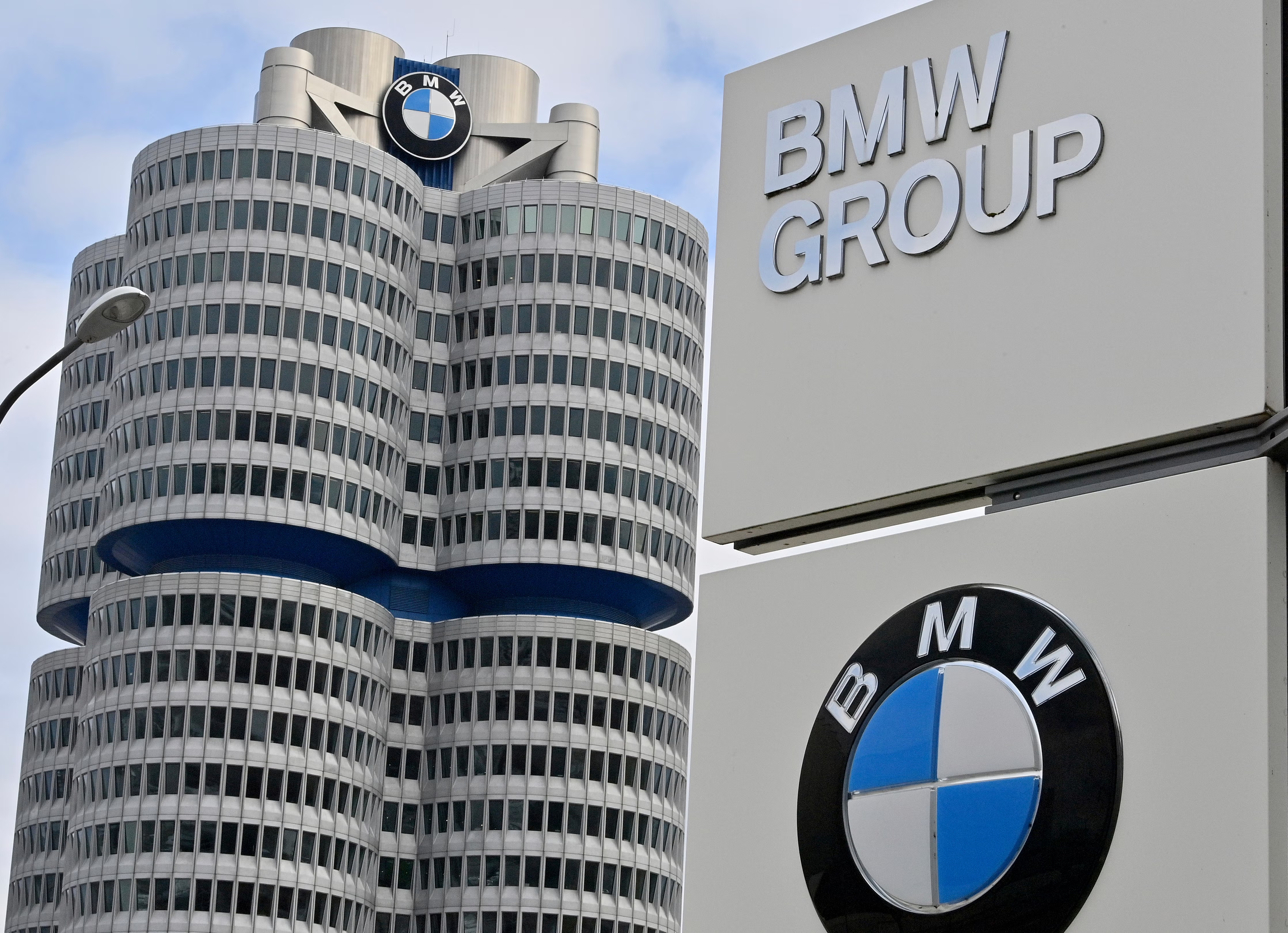
BMW and Yamaha Motor have joined several other investors in backing U.S.-based rare earths processing startup Phoenix Tailings. The $43 million Series B funding round, which closed on December 20, will help Phoenix scale its operations to meet the increasing demand for rare earths outside of China. These metals, crucial for the production of magnets used in electric vehicles, electronics, and other technology, are essential to the transition to clean energy.

Rare earths are primarily refined using the solvent extraction method, which has become outdated in the U.S. due to its environmental costs. Chinese companies have dominated this process for decades, but recent actions by Beijing to limit exports have led to a global scramble for alternative sources and technologies. Phoenix Tailings claims its innovative process can produce rare earths from mined ore or recycled equipment with little to no emissions, offering a cleaner solution to the existing industry standards.

The investment round includes venture capital funds such as Envisioning Partners, MPower, and Escape Velocity, alongside BMW and Yamaha’s venture arms. Phoenix plans to use the funds to build a $13 million facility in Exeter, New Hampshire, scheduled to open by June 2025. The facility will have the capacity to produce 200 metric tons of rare earths annually.

Phoenix has already signed over $100 million in supply contracts but has not disclosed the partners. The company’s plans also include scaling its operations with larger processing plants in the U.S. if the Exeter site proves successful. With 33 employees, Phoenix aims to go public within three to five years.

The company’s approach of focusing on rare earths processing rather than mining sets it apart from competitors such as MP Materials and Lynas Rare Earths. Phoenix is also applying for U.S. government loans and grants to support its growth.


Northvolt Faces Production Challenges Amid Struggles to Meet EV Battery Targets

Challenges in Scaling Up Production

Northvolt, Europe’s flagship electric vehicle (EV) battery maker, is grappling with significant production setbacks at its Skellefteå plant in Sweden. Internal documents and company sources reveal persistent difficulties in meeting production goals for deliverable battery cells, raising concerns about its ability to fulfill ambitious targets.

The company’s “Path to 100k” roadmap, unveiled earlier this year, aimed to produce 100,000 shippable cells per week by the end of 2023. However, by November 10, Northvolt had only achieved around 26,000 cells that week, falling short of its internal targets.


Adjusting Operations and Redefining Goals

In response to these challenges, Northvolt has reduced its production schedule to weekdays only and suspended operations in one of its two manufacturing buildings. The company says these measures aim to enhance quality control and optimize performance.

“Running fewer production lines allows us to focus on contracted customer volumes,” Northvolt stated.

Despite initial setbacks, the company claims to have tripled its cell manufacturing levels since January. However, its initial targets from September are now deemed “long out of date,” according to the company.


Key Issues Behind Production Delays

Company insiders attribute Northvolt’s struggles to:

  • Machine faults requiring fine-tuning and calibration.
  • Inexperienced staff, with production relying heavily on relatively new hires.
  • Unrealistic production ambitions, set against a backdrop of a challenging global industry.

Northvolt disagrees with this characterization, asserting that its team is among the most experienced in Europe’s nascent battery industry.


Strategic Review and Customer Adjustments

Amid its struggles, Northvolt undertook a strategic review in July, which has influenced operations, customer orders, and production goals. Following a €2 billion ($2.1 billion) order cancellation from BMW in June, Northvolt has focused on delivering cells primarily to Volkswagen-owned Audi, Porsche, and truckmaker Scania.

Scania, once impacted by Northvolt’s delays, has since renegotiated delivery plans. CEO Christian Levin noted improved performance:
“We had to adjust to a more realistic ramp-up pace, but deliveries are now on track.”


The Road Ahead

Despite its challenges, industry experts acknowledge that Northvolt remains ahead of other European competitors in the EV battery sector. Slowing production, according to Hans Eric Melin of Circular Energy Storage, can improve long-term outcomes by allowing for better machine maintenance and quality control.

Northvolt’s struggles highlight the broader difficulties faced by Europe in reducing reliance on Chinese battery manufacturers. While the company