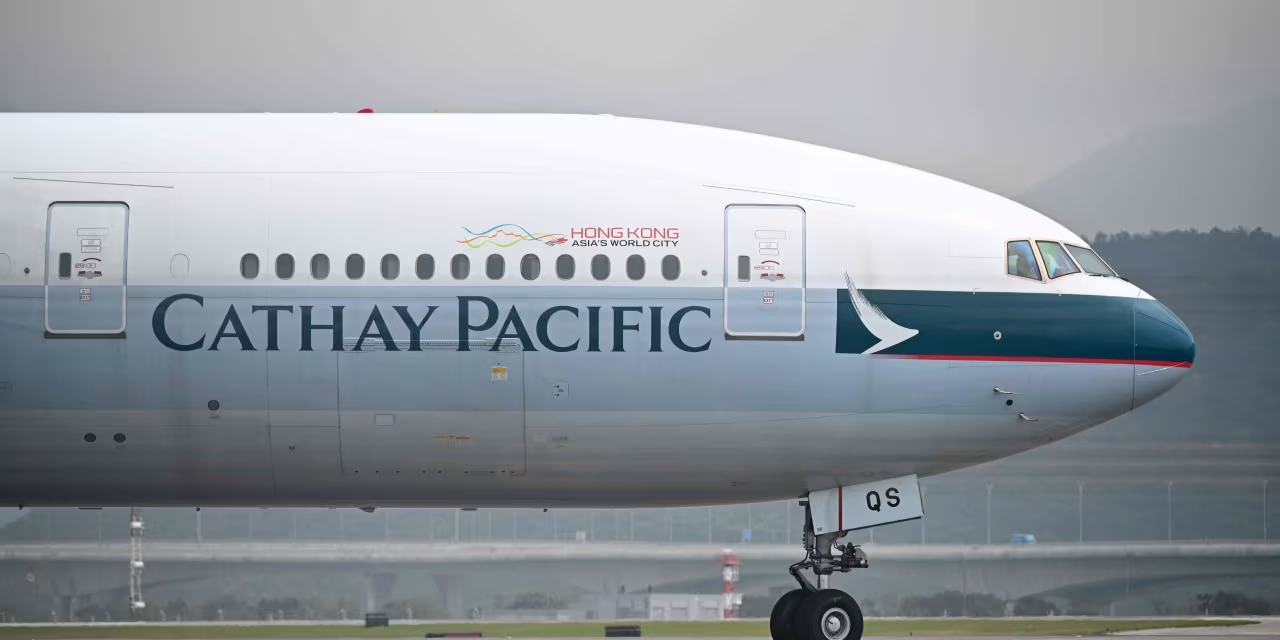

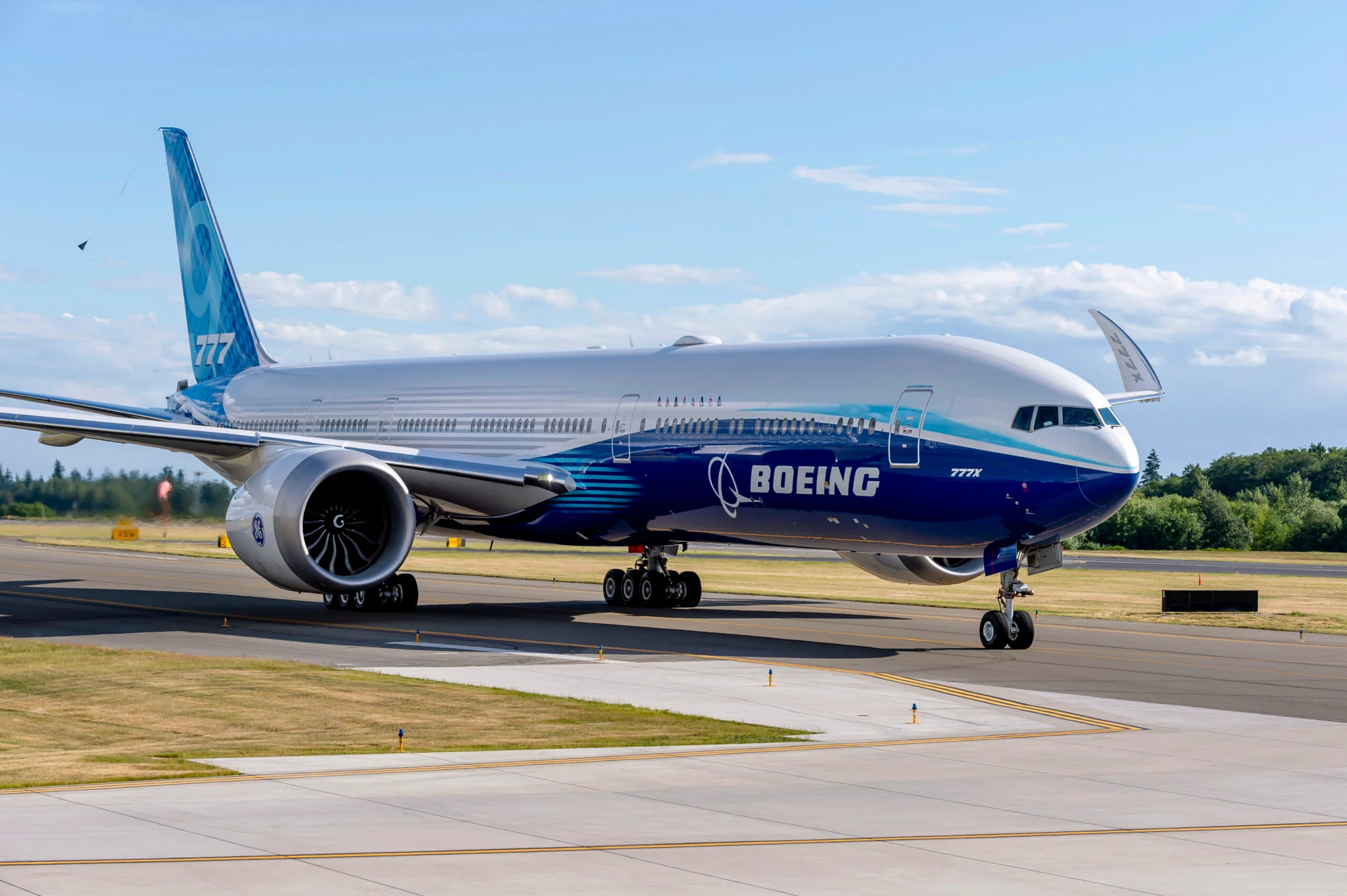
Boeing has paused testing of its long-delayed 777X aircraft after discovering structural issues with a component located between the engine and the plane’s wings. The company announced that it identified a part that failed to meet performance standards and is now replacing it to analyze the problem. The Air Current first reported the issue.
The 777X, touted as the world’s largest and most efficient twin-engine jet, was initially set to enter service in 2020. However, the project has faced numerous delays and cost overruns, with a revised launch date now pushed to 2025. The latest setback could further delay this timeline. Boeing indicated that testing of its four-aircraft fleet will resume once the issues are resolved.
This development adds to Boeing’s ongoing challenges, including a recent safety crisis involving a mid-air door plug blowout on a 737 Max operated by Alaska Airlines. The incident was attributed to missing bolts due to inadequate paperwork.
The 777X problems are part of a broader pattern of safety and quality concerns at Boeing, which have sparked federal investigations and contributed to delivery delays affecting airlines worldwide. Despite a recent win in July orders over Airbus, Boeing still trails its competitor significantly for the year.
Boeing’s stock fell 2% in premarket trading on Tuesday and is down nearly 30% for the year. The company has lost $33 billion since 2019, reflecting a significant decline from its former reputation for excellence in American aviation.
Boeing and Lockheed Martin are in advanced discussions to sell their joint venture, United Launch Alliance (ULA), to Sierra Space, a private aerospace company. The potential deal, which could value ULA between $2 billion and $3 billion, represents a significant shift in the U.S. space launch industry. ULA, a major provider of launch services to the U.S. government and a key competitor to Elon Musk’s SpaceX, has long been dominated by its parent companies, Boeing and Lockheed Martin, two of the largest defense contractors in the world.
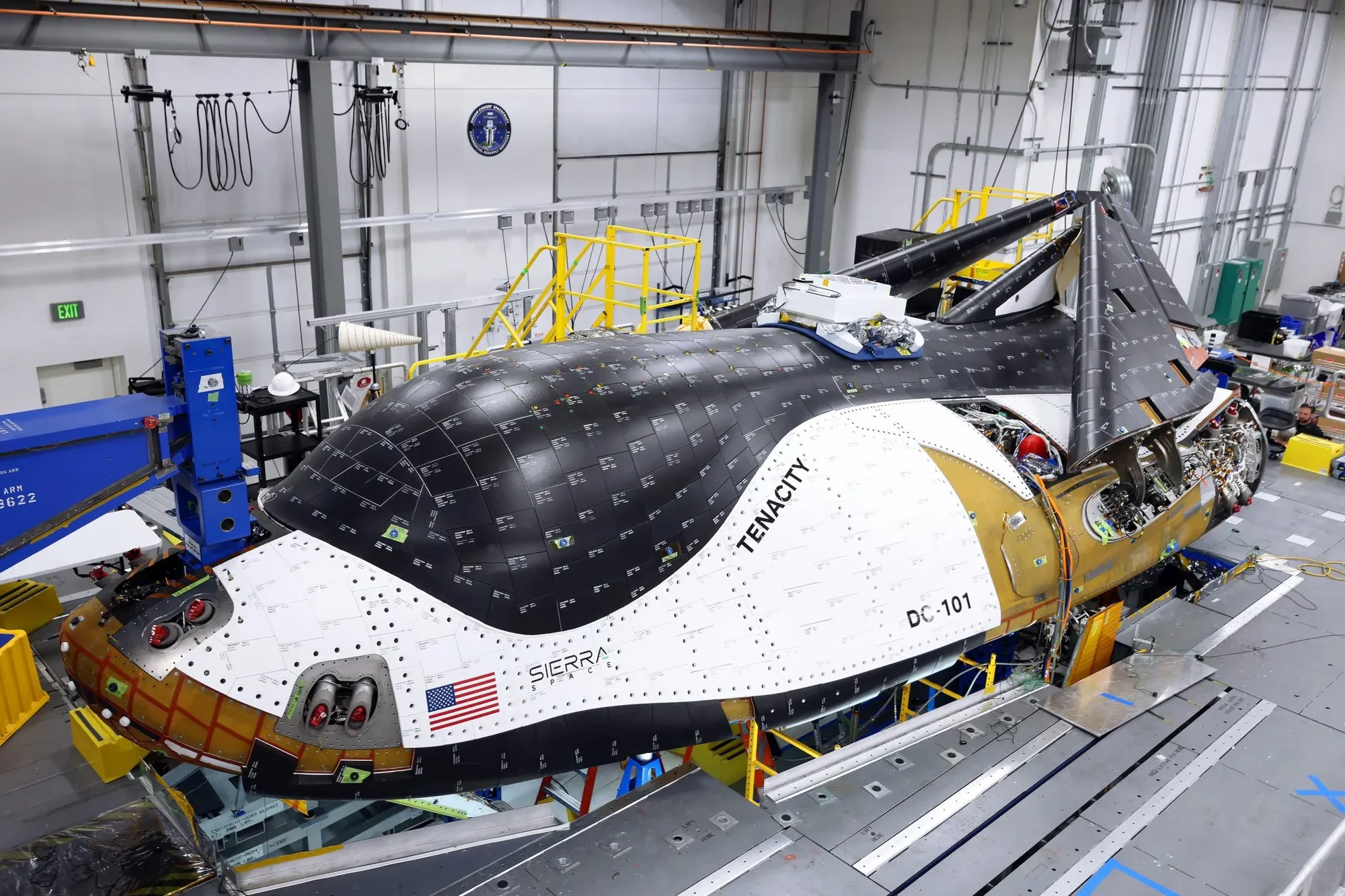
This sale would mark a departure from past failed attempts to divest ULA, with previous potential buyers, including Jeff Bezos’ Blue Origin and Cerberus Capital Management, unable to reach an agreement. Sierra Space, spun off from Sierra Nevada Corporation in 2021, aims to use the acquisition to accelerate its space ambitions, including the development of its Dream Chaser spaceplane and a private space station habitat.
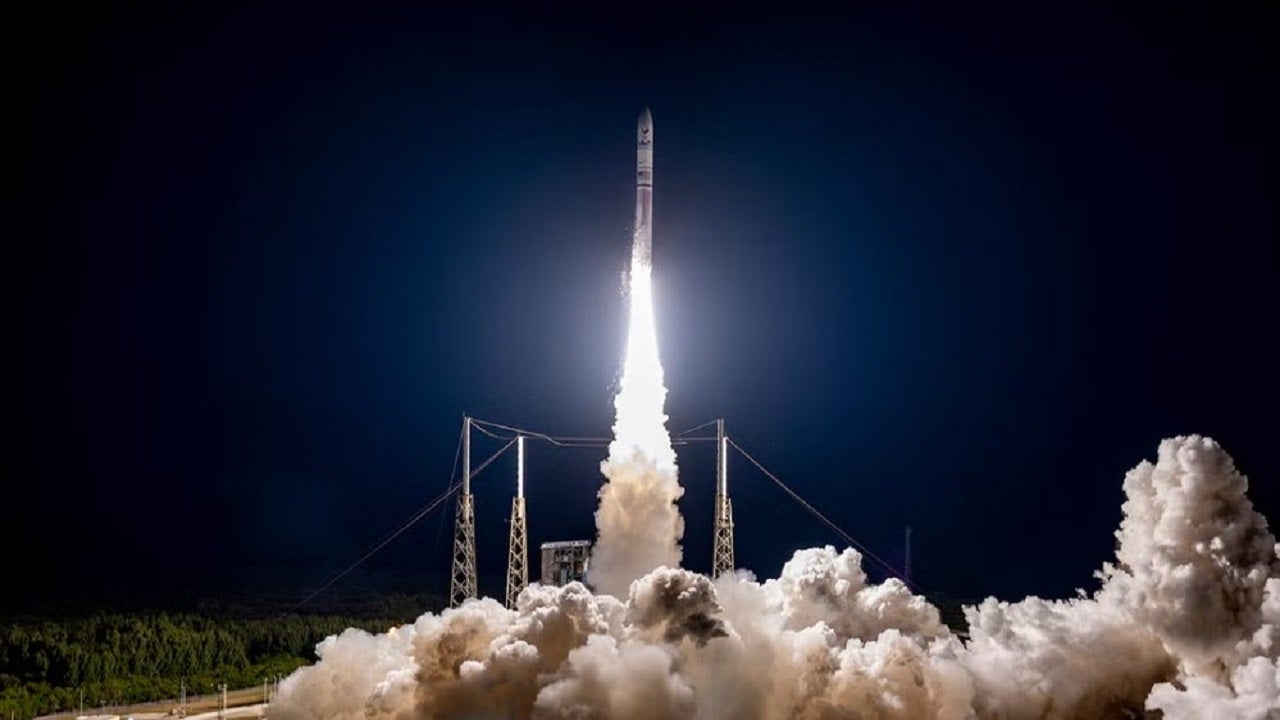
For Boeing, selling ULA aligns with CEO Kelly Ortberg’s strategy to refocus on its core aerospace and defense businesses, while Lockheed Martin would similarly be shedding a non-core asset. ULA, formed in 2006 to consolidate Boeing’s and Lockheed’s rocket businesses, has struggled to compete with SpaceX’s innovative and cost-effective Falcon 9 rockets. ULA’s new Vulcan rocket, which debuted in 2023, has faced production and scalability challenges, making the timing of the sale critical for the company’s future.
Sierra Space’s potential acquisition of ULA would provide it with in-house launch capabilities, reducing its reliance on external providers and potentially saving hundreds of millions of dollars in launch costs for its spaceplane and space station projects. However, the deal is not yet finalized, and negotiations could still fall through. The sale would also free ULA from Boeing and Lockheed’s control, potentially allowing it to explore new markets such as lunar habitats and maneuverable spacecraft, areas previously resisted by its parent companies.