Yazılar

Broadcom Shares Surge 13% on AI-Driven Profit Growth

Broadcom’s stock climbed 13% in extended trading after the company reported better-than-expected fourth-quarter earnings and highlighted a surge in artificial intelligence (AI) revenue, which more than tripled over the past year.

For the quarter ending November 3, Broadcom’s results exceeded analyst expectations:

  • Earnings per share (adjusted): $1.42 (vs. $1.38 expected)
  • Revenue: $14.05 billion (vs. $14.09 billion expected)

Broadcom projected first-quarter revenue of approximately $14.6 billion, slightly above the average analyst estimate of $14.57 billion. The company recorded a 51% year-over-year increase in quarterly revenue, reaching $14.05 billion, up from $9.3 billion.

AI Revenue Drives Growth
Broadcom’s semiconductor solutions division, which includes AI chips, saw revenue increase 12% to $8.23 billion compared to $8.03 billion a year ago. For the full year, AI revenue skyrocketed 220% to $12.2 billion, driven by generative AI infrastructure demands, including ethernet networking components that interconnect thousands of AI chips.

CEO Hock Tan emphasized the transformative potential of Broadcom’s AI technology on the company’s earnings call, stating, “We see an opportunity over the next three years in AI.” Tan revealed that Broadcom is collaborating with three major cloud providers to develop custom AI chips. Each customer is expected to deploy approximately 1 million AI chips within networked clusters by 2027.

Broadcom estimates that its AI chip market, including its proprietary XPUs and networking components, could generate between $60 billion and $90 billion in revenue by 2027.

Infrastructure Software Division Boost
Revenue in Broadcom’s infrastructure software division nearly tripled, reaching $5.82 billion in the fourth quarter, up from $1.96 billion a year ago. This surge was bolstered by the recent $69 billion acquisition of VMware, which was finalized after the previous year’s reporting period.

Dividend Increase for Fiscal 2025
Broadcom announced an 11% increase in its quarterly dividend for fiscal year 2025, raising it to 59 cents per share.

As the demand for AI infrastructure and custom solutions continues to grow, Broadcom is well-positioned to capitalize on this trend, particularly with its strategic collaborations and expanded market opportunities.
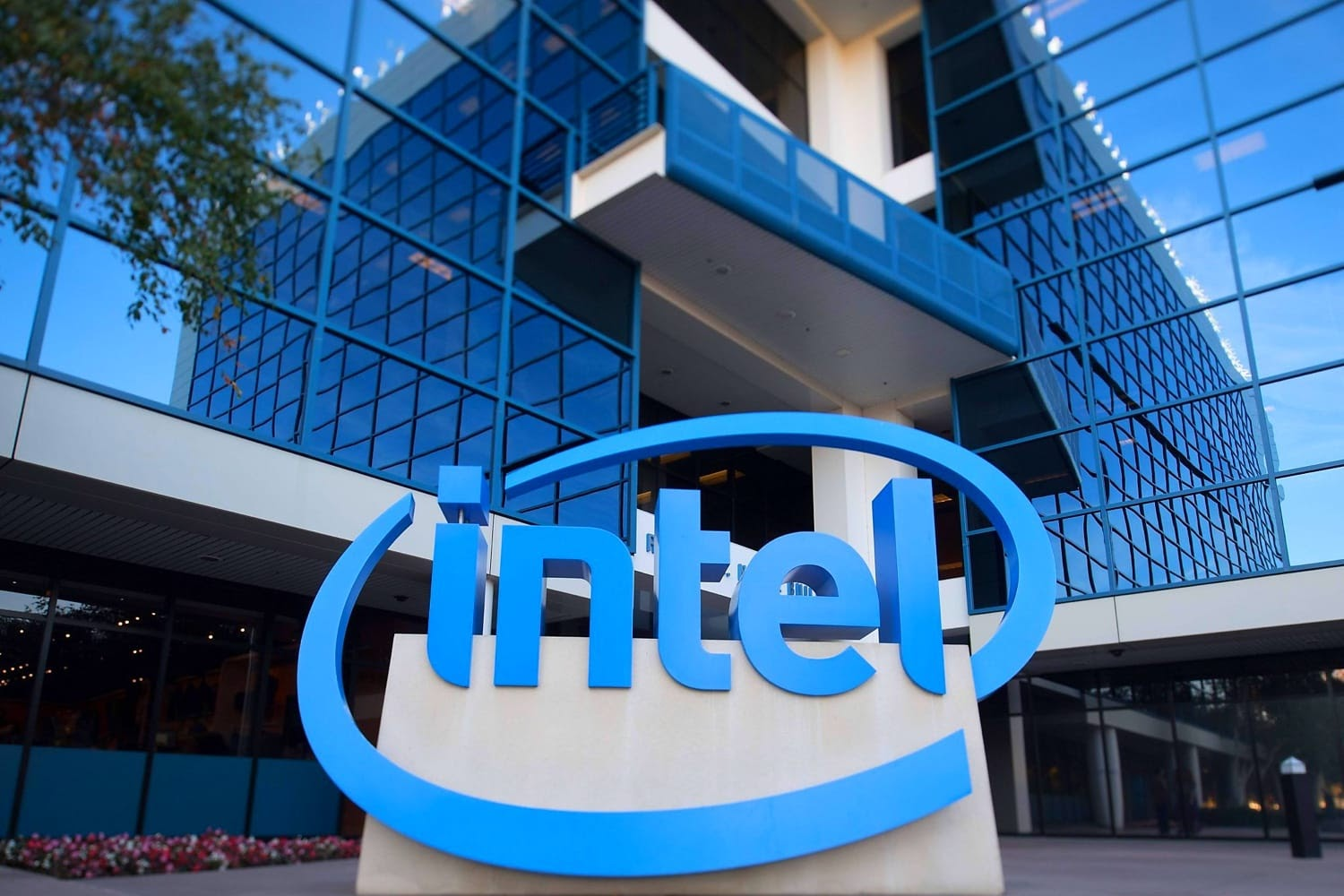
Intel Faces Setback as Broadcom Chip Manufacturing Tests Fall Short

Intel’s efforts to revitalize its contract manufacturing business have suffered a blow after tests with chipmaker Broadcom yielded disappointing results, sources revealed. Broadcom had sent silicon wafers through Intel’s cutting-edge 18A manufacturing process, which was intended to demonstrate the viability of the technology. However, after receiving the wafers last month, Broadcom’s engineers concluded that the process was not yet suitable for high-volume production. This setback poses a significant challenge to Intel’s turnaround strategy led by CEO Pat Gelsinger, who launched the contract manufacturing division in 2021 as a cornerstone of the company’s recovery.

Despite the setback, Intel remains optimistic. The company asserted that the 18A process is “healthy and yielding well,” with plans for full-scale production on track for next year. Broadcom, on the other hand, stated that it is still evaluating Intel’s offerings and has yet to make a final decision on a potential partnership.

Intel has been under significant pressure to secure major contracts with customers like Nvidia and Apple, especially as it faces mounting losses in its foundry business, which posted a $7 billion operating loss in the last quarter. The company aims to break even by 2027, but setbacks like the one with Broadcom complicate its path forward.

The foundry business, a critical part of Intel’s $100 billion expansion strategy, is integral to filling capacity at its newly constructed facilities in the U.S. However, Intel’s struggles to achieve viable yields with its advanced processes could hinder its ability to attract customers and compete with established giants like Taiwan Semiconductor Manufacturing Co. (TSMC).

Broadcom’s decision to test Intel’s 18A technology came amidst the chipmaker’s growing focus on AI hardware, with significant contracts from companies such as Google and Meta. However, concerns about defects on the wafers and the quality of chips produced by Intel’s process have made Broadcom cautious about committing to the new manufacturing technology.

Intel has pledged to be manufacturing-ready by the end of this year for its own chips, with plans to begin high-volume production for external customers in 2025. However, with high stakes and complex challenges ahead, Intel’s ability to turn its foundry business around remains uncertain.