Yazılar

Apple Reportedly Negotiating with Tencent and ByteDance to Introduce iPhone AI Features in China

Apple Explores AI Integration with Tencent and ByteDance for Chinese iPhones

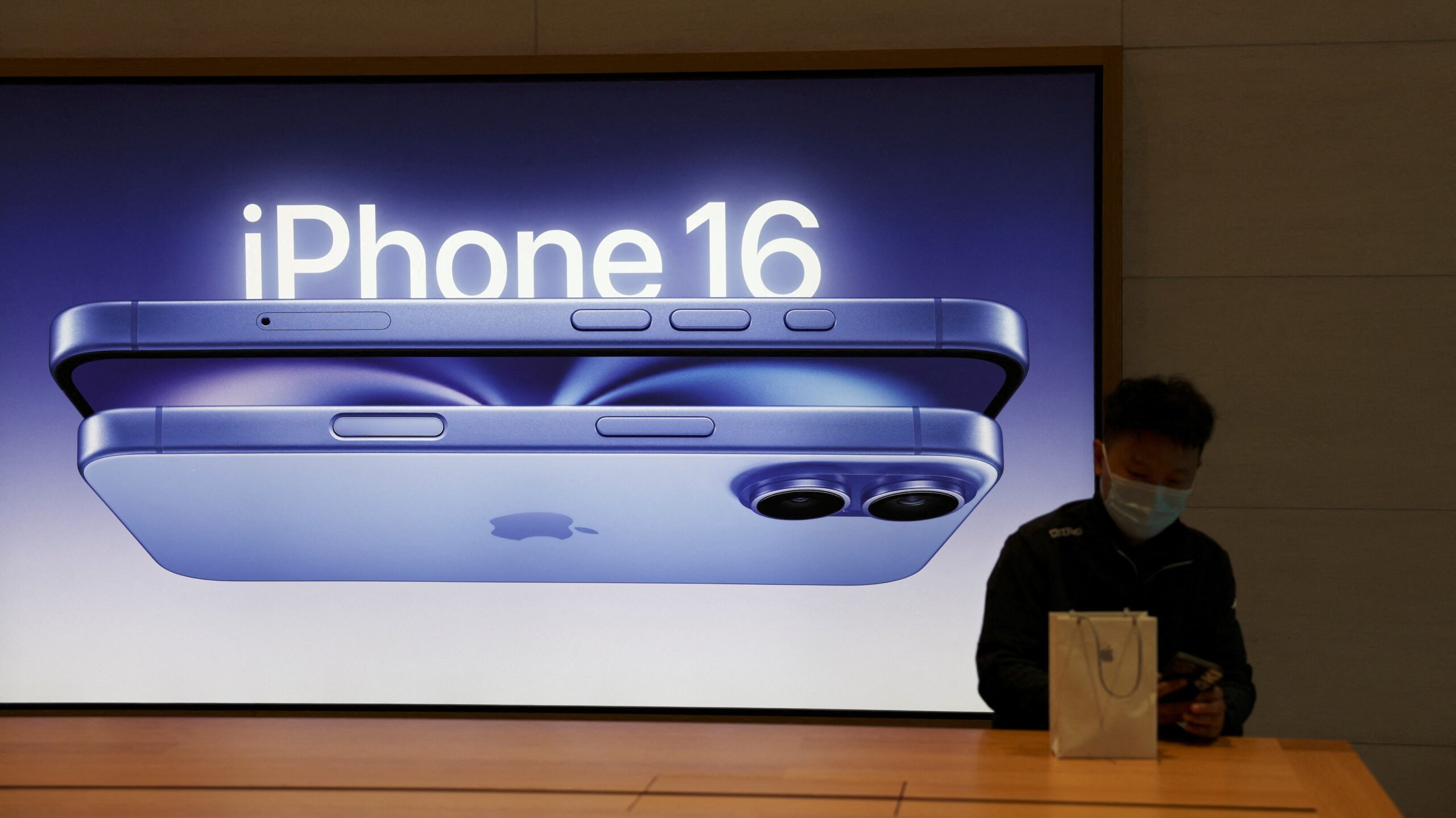
Apple is reportedly in discussions with Chinese tech giants Tencent and ByteDance to integrate their artificial intelligence (AI) models into iPhones sold in China, according to sources familiar with the matter. The move signals Apple’s efforts to adapt to China’s stringent regulatory landscape while enhancing the functionality of its flagship devices in one of its largest markets.

The Cupertino-based company recently began rolling out OpenAI’s ChatGPT integration into its devices as part of the Apple Intelligence suite. This upgrade enables Siri to leverage the chatbot’s expertise, assisting users with complex queries, including those related to photos and documents. However, with ChatGPT unavailable in China due to regulatory restrictions, Apple is seeking local partnerships to bring similar functionality to Chinese users.

China’s strict regulations require generative AI services to obtain government approval before their public release. These restrictions have pushed Apple to collaborate with Tencent and ByteDance, two of the country’s leading tech companies, to ensure compliance while offering advanced AI features. Such partnerships are crucial as Apple faces increased competition and a shrinking market share in the region.

By aligning with trusted local firms, Apple aims to maintain its relevance in the Chinese market while navigating regulatory challenges. If successful, the collaboration could pave the way for a localized AI ecosystem that benefits both Apple and its users in China, reinforcing the company’s commitment to innovation and adaptability.
TikTok Appeals to US Supreme Court in Final Attempt to Prevent Ban

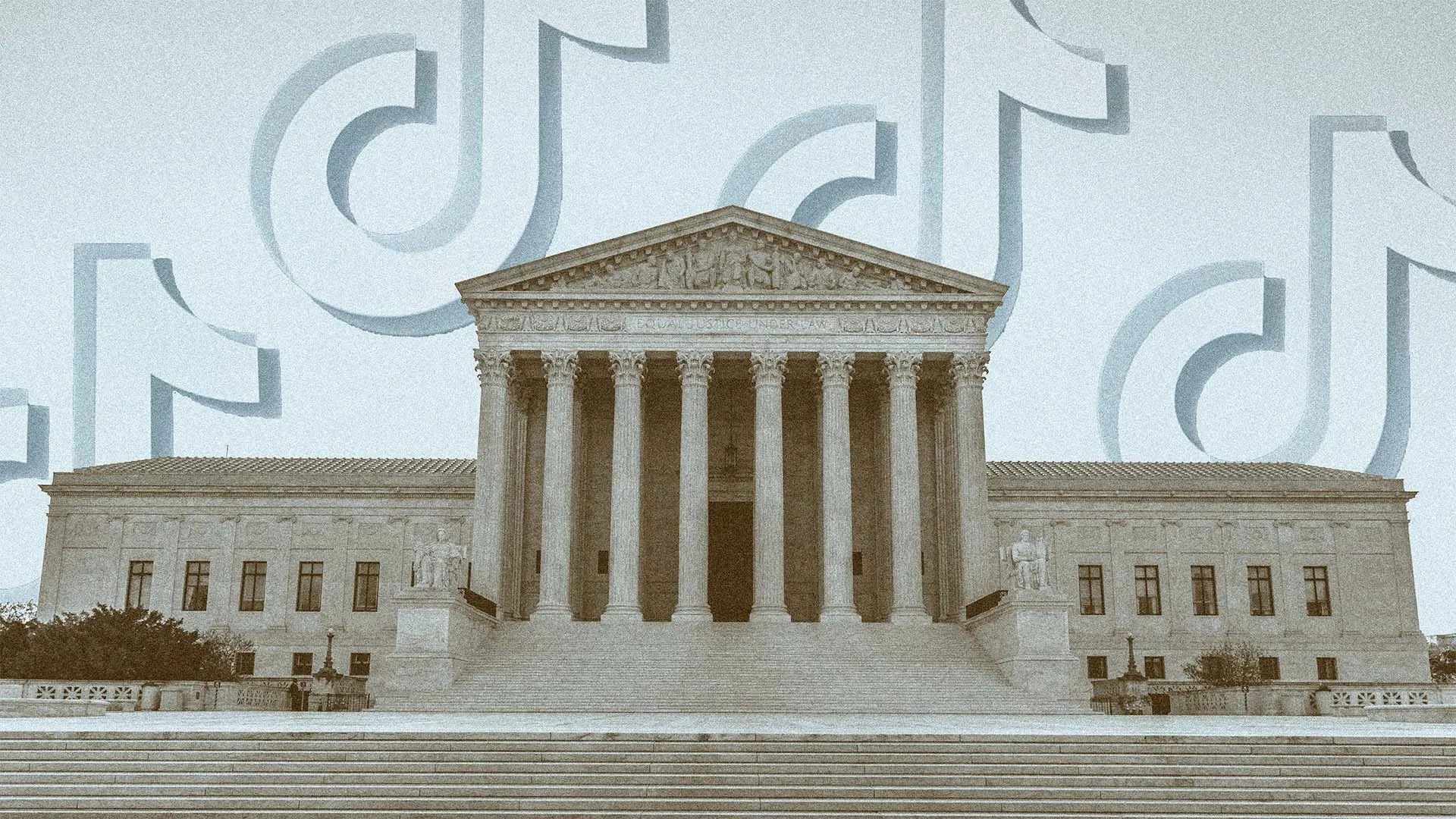
TikTok has made a last-ditch attempt to prevent a potential ban in the United States by appealing to the Supreme Court. On Monday, the social media platform filed an emergency request seeking a temporary injunction to block a law that mandates its China-based parent company, ByteDance, to divest the app by January 19. If the company does not comply, the app could face a complete ban in the U.S. This move comes after a lower court upheld the law, and TikTok is now seeking to continue operations while appealing the decision.

In a coordinated effort, TikTok and ByteDance have asked the Supreme Court to intervene, with the goal of stopping the law from going into effect. The request was filed alongside a similar appeal from a group of U.S. TikTok users, who argue that the law unfairly targets the platform, which has become a key part of online social interaction for around 170 million Americans. The case has garnered significant attention due to the potential consequences for both users and the broader tech landscape in the U.S.

The law in question, passed by Congress in April, seeks to address concerns over national security. The Justice Department has argued that TikTok’s connection to China presents a significant risk, citing the app’s ability to collect vast amounts of personal data on U.S. users—ranging from locations to private messages. Authorities also claim that TikTok could be used to manipulate the content Americans are exposed to, potentially influencing political opinions and public perception in a way that serves the interests of the Chinese government.

As the legal battle continues, TikTok’s fate in the U.S. hangs in the balance. If the Supreme Court grants the injunction, it could temporarily delay the law’s enforcement, allowing TikTok to operate while further appeals are considered. However, if the Court declines, the company may be forced to comply with the divestiture deadline or face a nationwide ban, which would disrupt millions of users and businesses that rely on the app for communication, entertainment, and marketing.

Trump Asks Supreme Court to Delay TikTok Ban for Potential Political Resolution

President-elect Donald Trump has called on the U.S. Supreme Court to delay the implementation of a law that would ban the popular social media app TikTok or compel its Chinese parent company, ByteDance, to sell the platform to a U.S. entity. The law, set to take effect on January 19, 2025, would force divestment or result in a nationwide ban on TikTok, which has over 170 million users in the United States.

The Supreme Court is scheduled to hear arguments on the case on January 10, but Trump’s legal team has requested a stay on the law’s deadline to allow his incoming administration time to explore a political resolution to the matter. “President Trump takes no position on the underlying merits of this dispute,” said his lawyer, D. John Sauer, who is also the president-elect’s nominee for U.S. solicitor general. “Instead, he respectfully requests that the Court consider staying the Act’s deadline… to permit President Trump’s incoming administration the opportunity to pursue a political resolution.”

This stance represents a reversal from Trump’s earlier position in 2020 when he attempted to ban TikTok and force its sale due to concerns about its Chinese ownership. However, during his presidential campaign, Trump appeared to soften his approach, meeting with TikTok CEO Shou Zi Chew in December and expressing a “warm spot” for the app. Trump even credited TikTok with helping him gain billions of views during his campaign.

TikTok and ByteDance have contested the law, arguing that the U.S. government has mischaracterized their ties to China. The company maintains that U.S. user data and content moderation decisions are handled domestically, with data stored on Oracle-operated servers in the United States. Despite these assurances, the U.S. Justice Department and most lawmakers argue that Chinese control of TikTok poses a national security risk.

Opponents of the ban, including free speech advocates, have voiced concerns that the legislation echoes censorship practices of authoritarian regimes. However, Montana Attorney General Austin Knudsen, supported by 22 state attorneys general, filed an amicus brief urging the Supreme Court to uphold the law, emphasizing the importance of addressing national security risks associated with Chinese influence over the app.

The outcome of this case could have significant implications for U.S.-China relations, free speech, and the future of TikTok in America. For now, Trump’s request seeks to buy time for a potential diplomatic or legislative resolution as the nation awaits the Court’s decision.