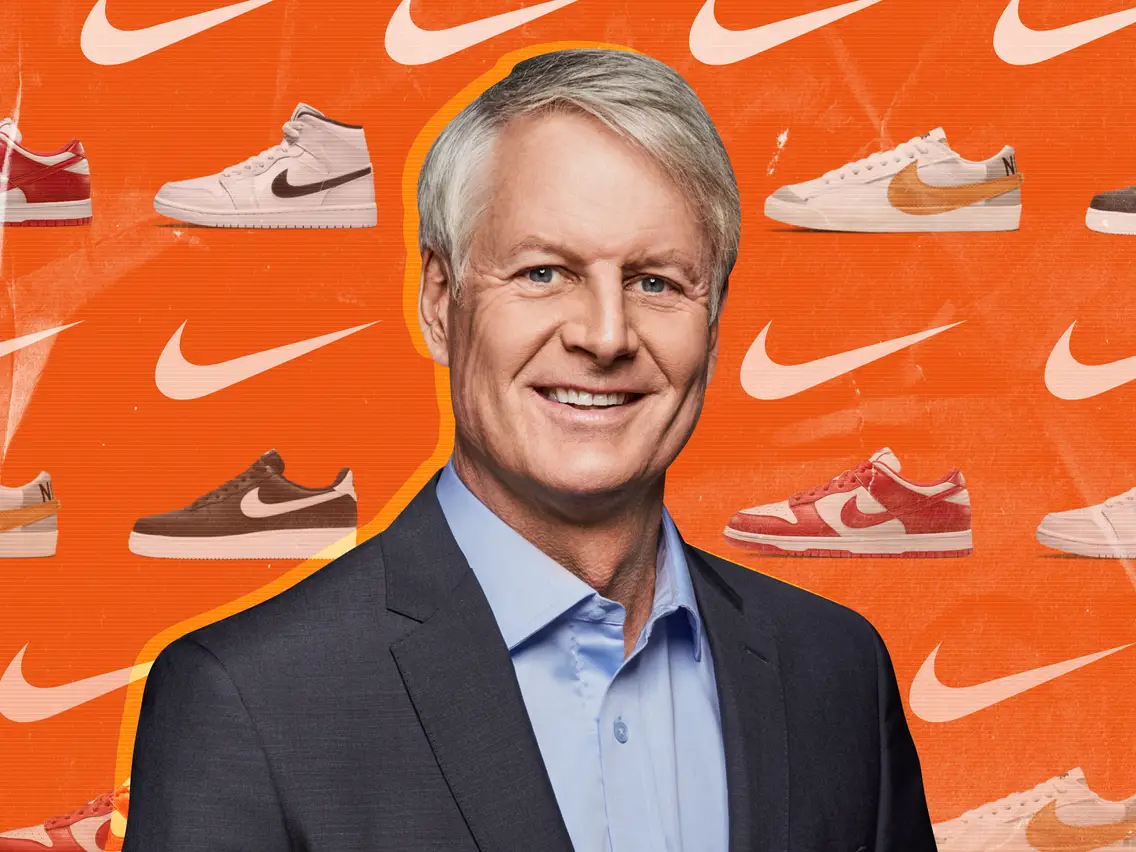
Nike announced Thursday that CEO John Donahoe is stepping down, with company veteran Elliott Hill coming out of retirement to take the helm. Donahoe, who has led Nike since January 2020, will retire on October 13, staying on as an advisor through January. Hill, a 32-year Nike veteran who rose through the ranks to lead the company’s consumer and marketplace division before retiring in 2020, will officially take over the CEO role on October 14.
Shares of Nike surged 8% in after-hours trading following the announcement, although the stock remains down more than 25% this year. The transition comes as Nike grapples with challenges from shifting consumer trends and declining sales in key markets like China.
Mark Parker, Nike’s executive chairman, expressed his confidence in Hill’s leadership: “Elliott’s global expertise, leadership style, and deep understanding of our industry and partners make him the right person to lead Nike’s next stage of growth.” Hill, based in Austin, began his career as an intern at Nike and was well-regarded by employees for his leadership before retiring. In a statement, Hill said, “Nike has always been a core part of who I am, and I’m ready to help lead it to an even brighter future.”
Nike’s decision to bring Hill back comes amid a broader restructuring effort. Critics say that in focusing on direct-to-consumer sales, Nike lost sight of its hallmark innovation in sneakers, allowing competitors like On Running and Hoka to capture market share. Nike’s fiscal fourth-quarter results in June were disappointing, with sales expected to drop 10% in the current quarter. This outlook was far worse than the 3.2% decline analysts had anticipated, leading to Nike’s worst trading day in its history.
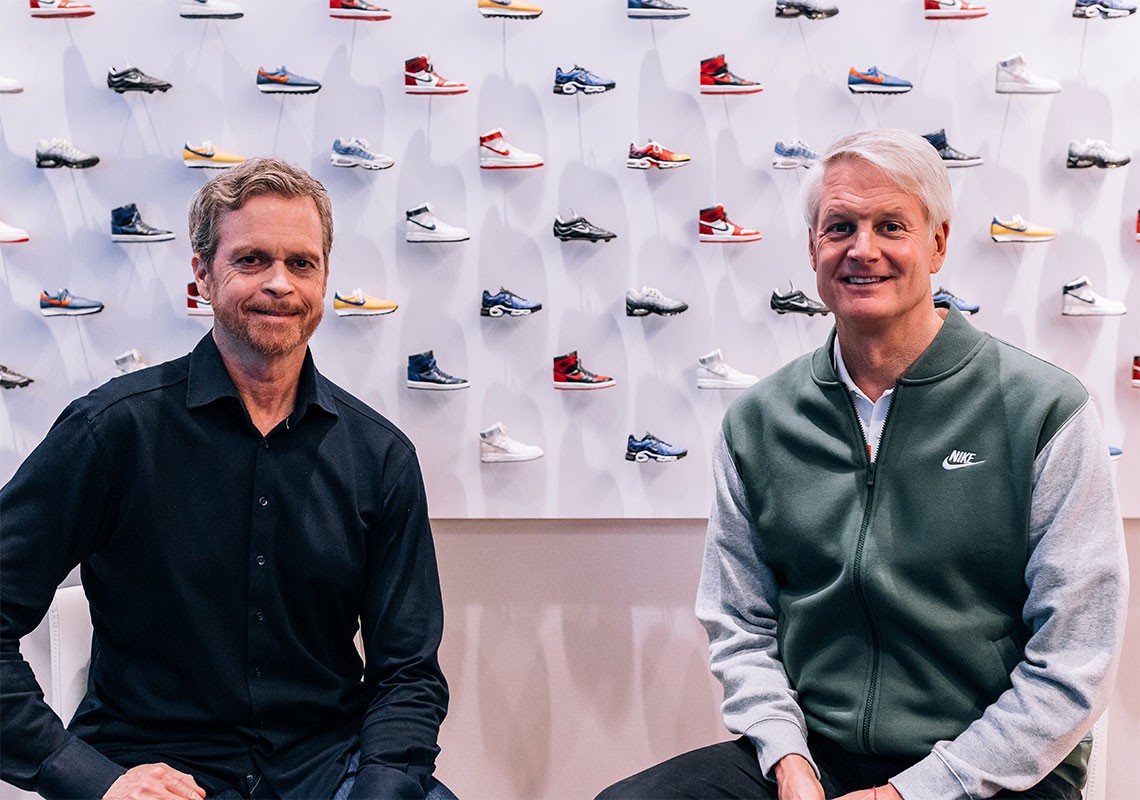
Though Nike has grown its annual sales from $39.1 billion in fiscal 2019 to $51.4 billion in fiscal 2024 under Donahoe, the company is now attempting to return to the fundamentals that once made it a market leader. Donahoe, who previously led eBay and Bain & Company, was brought on in part to strengthen Nike’s digital transformation and e-commerce strategies. However, the pandemic’s end saw Nike struggling to maintain the momentum of its direct-selling strategy, which included cutting off wholesale partners. Donahoe acknowledged earlier this year that Nike may have overreached in this effort, and the company is working to rebuild relationships with wholesalers.
Hill’s appointment signals Nike’s intent to focus on reinvigorating its culture and addressing internal challenges. Jessica Ramirez, senior research analyst at Jane Hali & Associates, sees Hill’s deep knowledge of the company’s culture as essential to overcoming a “morale slump” at Nike. “He has quite some work to do across various teams, but I think that’s what needs to be the focus—its culture, and therefore, enabling the ability to have better products and newness,” said Ramirez.
Nike is also implementing cost-saving measures to navigate these turbulent times. The company announced a plan in December to reduce costs by $2 billion over the next three years and recently revealed it would cut 2% of its workforce, equating to over 1,500 jobs. Nike intends to reinvest in key growth areas, such as the running category, the women’s sector, and the Jordan brand.
Phil Knight, Nike’s co-founder, also voiced his support for Hill’s return, acknowledging the challenges ahead but expressing optimism. “Leadership changes are never easy… but I couldn’t be more excited to welcome Elliott back to the team. We’ve got a lot of work to do, but I’m looking forward to seeing Nike back on its pace,” Knight said.