Yazılar

Samsung Warns Global Memory Shortage Could Drive Up Prices Across All Devices

Samsung struck a cautious tone during the celebrations at CES 2026 in Las Vegas, warning that worsening memory chip shortages could soon have real consequences for consumers. Speaking on the second day of the event, a senior company executive indicated that supply constraints are intensifying, potentially forcing Samsung to reconsider pricing across its product lineup. The message was clear: if the shortage persists, higher prices may be unavoidable.

The South Korean tech giant emphasized that memory components, particularly DRAM, are becoming increasingly difficult to secure. As these chips are essential for smartphones, laptops, wearables, and other everyday gadgets, prolonged supply pressure could ripple across the entire consumer electronics market. Samsung suggested that even a few more months of disruption could translate into noticeable cost increases for buyers worldwide.

According to a report from Bloomberg, Samsung President and Chief Marketing Officer Won-Jin Lee addressed the issue directly in an interview. He acknowledged that semiconductor supply challenges are no longer isolated problems but industry-wide concerns. While Lee stressed that Samsung is trying to shield consumers from rising costs, he also noted that the company’s ability to absorb higher expenses has limits.

Lee reportedly added that prices are already climbing behind the scenes, underscoring how serious the situation has become. The current shortage has been fueled largely by aggressive expansion from major artificial intelligence companies, including Google, Meta, OpenAI, and xAI, all of which are building massive data centers to support growing AI workloads. As demand from these players surges, consumer tech companies like Samsung are left navigating tighter supplies and difficult pricing decisions.

Self-Driving Technology and AI Take Center Stage at CES as Automakers Pull Back on EV Plans

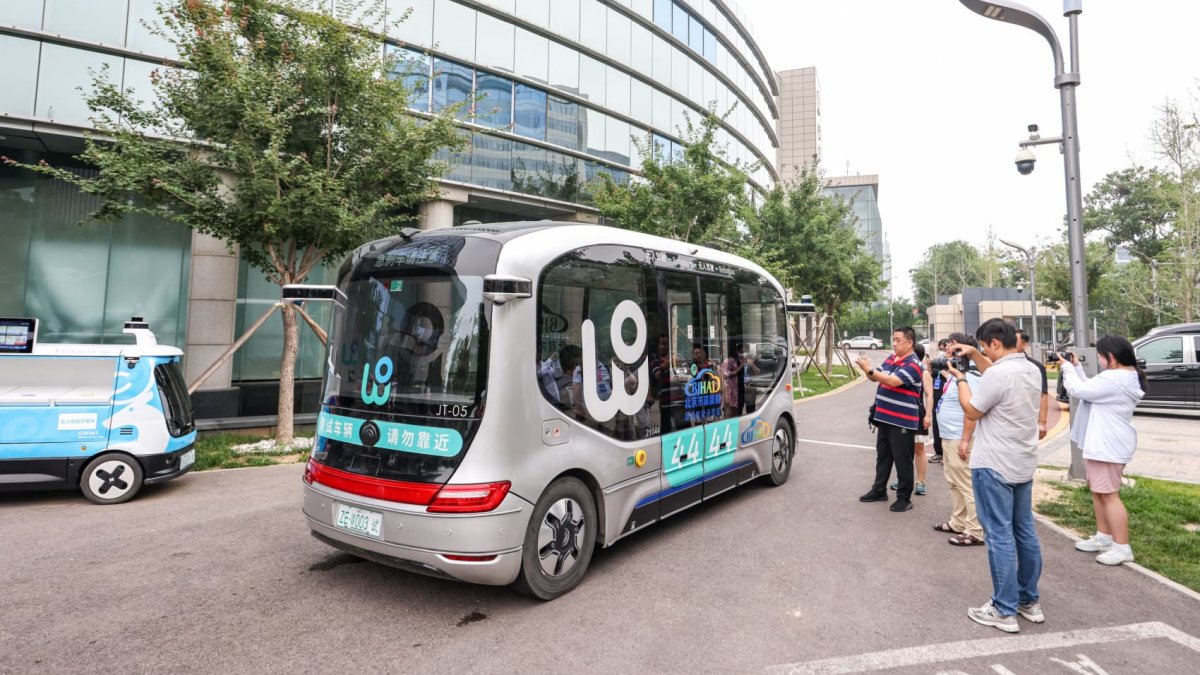
Autonomous driving technology and artificial intelligence are expected to dominate this year’s CES trade show in Las Vegas, as automakers and investors look beyond electric vehicles for growth amid rising costs, safety concerns, and regulatory pressure.

With many carmakers scaling back electric vehicle strategies, suppliers and startups are using CES to showcase advances in self-driving hardware and software. Industry observers expect a wave of partnerships and announcements focused on reducing driver involvement — or eliminating the human driver altogether.

“This year you will see more and more focus on AI and autonomous,” said C.J. Finn, U.S. automotive industry leader at PwC, adding that the industry’s ability to deploy driverless technology safely will be closely scrutinized. He noted that connectivity and AI-driven autonomy will be “front and center” at the event.

AI is also spreading well beyond vehicles, with applications ranging from robotics and wearable devices to smart home systems and healthcare technology. Among the headline speakers at CES are Jensen Huang of Nvidia and Lisa Su of Advanced Micro Devices.

CES 2026 runs from January 6 to 9 and has in recent years become a major platform for automakers to debut new EVs. This year, however, the show will feature far fewer electric vehicle launches. A rollback of EV-friendly incentives under the Trump administration — including the removal of a $7,500 tax credit — has cooled consumer demand and forced automakers to rethink their strategies. As a result, most major manufacturers are not planning new EV unveilings at CES, marking a sharp shift from previous editions.

Picture background

Despite years of heavy investment, commercializing autonomous vehicles has proven difficult. Regulatory hurdles, high development costs, and investigations following crashes have pushed several companies out of the market. Still, momentum has returned following Tesla’s limited robotaxi rollout in Austin and the continued expansion of Waymo, owned by Alphabet.

Advanced driver-assistance systems have also improved, with hands-free highway driving and automated lane changes becoming more common. Automakers such as Rivian are aiming to introduce “eyes-off” driving features and autonomous operation on city streets.

At the same time, cost pressures remain a major concern. Automakers are reassessing capital spending after absorbing billions of dollars in EV-related write-downs and grappling with tariffs on imported vehicles and parts. Many have chosen to absorb tariff costs rather than pass them on to consumers, squeezing profit margins.

“The main theme we expect to see emerging at CES is cost and cost competitiveness,” said Felix Stellmaszek, global automotive and mobility leader at Boston Consulting Group, noting that competition from Chinese automakers is also weighing on industry strategies.

Dell Revives XPS Brand With New Laptops to Regain PC Market Share

Dell has brought back its XPS laptop lineup, reversing a decision made last year to retire the premium brand, as it seeks to revive demand in a sluggish global PC market.

Unveiled at the Consumer Electronics Show, the new XPS 14 and XPS 16 are Dell’s thinnest laptops yet, with plans to introduce a lighter XPS 13 later this year. The move follows what Dell executives described as “very broad” feedback from partners and customers who favored the XPS name.

Chief Operating Officer Jeff Clarke acknowledged the misstep, saying Dell had been wrong to abandon the brand when it consolidated products under the Dell and Dell Pro labels.

The revived XPS models target the premium segment, where Dell faces stiff competition from HP and Lenovo. Prices start at $2,049.99 for the XPS 14 and $2,199.99 for the XPS 16 in the U.S. and Canada.

Both laptops use Intel’s Core Ultra Series 3 processors with integrated Arc graphics, which Dell says significantly boost AI and graphics performance over prior generations.

Dell also said it is simplifying its branding strategy, keeping entry-level and mainstream devices under the Dell name, premium systems under XPS, and gaming products under Alienware, as it looks to better position itself in a crowded PC market.