
Yazılar

Coinbase to Launch CFTC-Compliant Perpetual Futures Trading in U.S.

Coinbase announced plans on Thursday to introduce perpetual futures trading in the United States, with the product designed to comply with regulatory standards set by the Commodity Futures Trading Commission (CFTC). The move represents a significant expansion of the crypto exchange’s derivatives offerings as the broader market anticipates lighter regulation and displays renewed investor risk appetite.

“We recently launched first-of-its-kind 24/7 futures trading, and I’m excited to share that we’ll soon be launching CFTC-compliant perpetual futures trading in the U.S. as well,” said Max Branzburg, Coinbase’s vice-president of product, speaking at the State of Crypto Summit in New York.

Perpetual futures are a form of crypto derivatives that allow traders to speculate on token prices without an expiry date. These contracts provide continuous trading access, often with high leverage, and have grown in popularity as fast-moving markets attract both institutional and retail traders seeking to hedge risk, amplify returns, or speculate on price movements without holding the underlying digital assets.

The expansion comes amid heightened competition among crypto exchanges racing to offer complex products that were once limited to sophisticated market participants. Coinbase’s decision to ensure compliance with CFTC regulations may also help position the exchange favorably with U.S. regulators, as the crypto industry continues to face scrutiny from multiple government agencies.
CFTC Commissioner Summer Mersinger to Lead Blockchain Association as New CEO

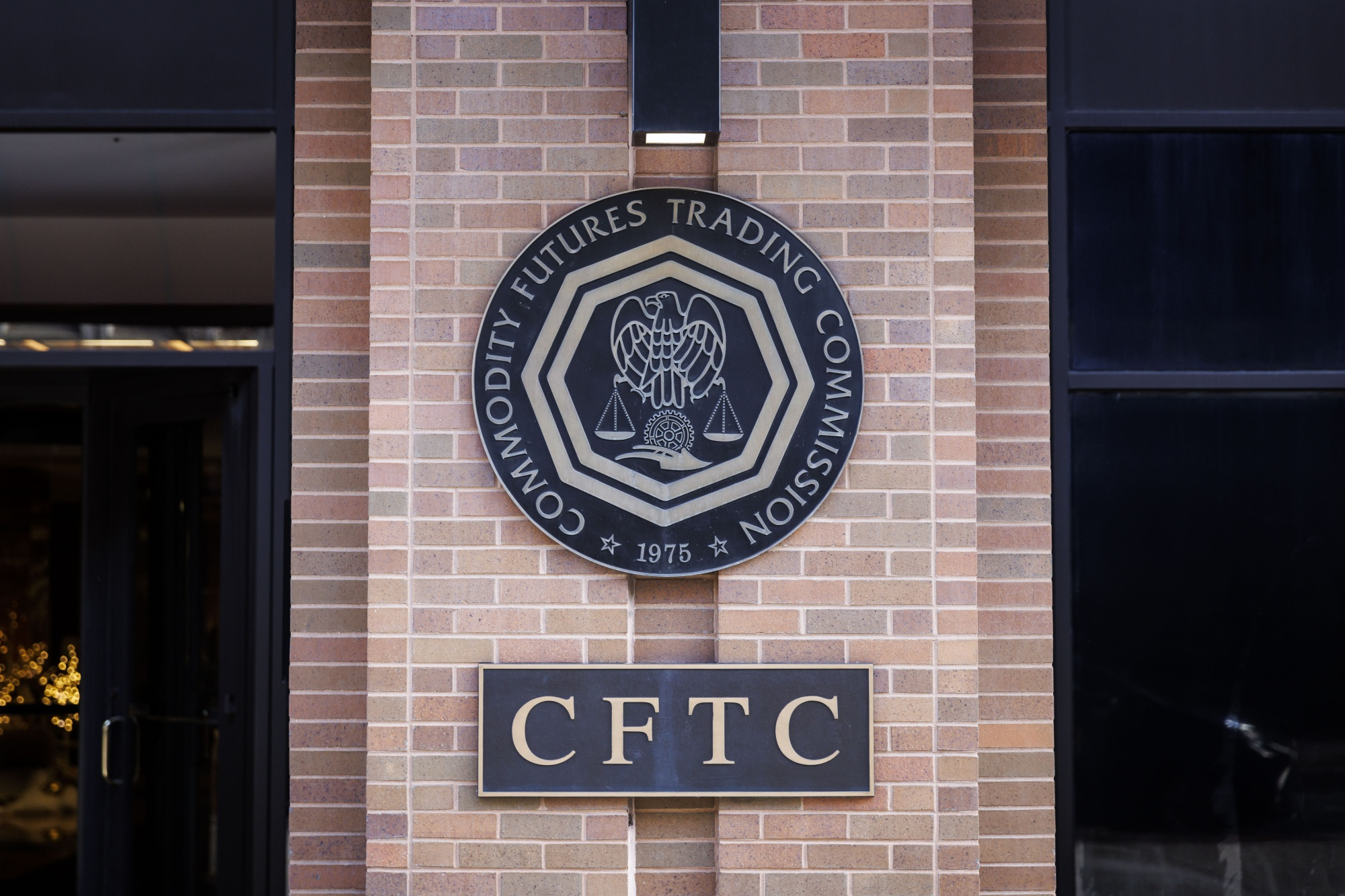
Summer Mersinger, a commissioner at the U.S. Commodity Futures Trading Commission (CFTC), announced her resignation on Wednesday to become the new CEO of the Blockchain Association, a leading cryptocurrency lobbying group. Mersinger will officially assume the role on June 2, following the departure of current CEO Kristin Smith, who is joining the Solana Policy Institute.

Mersinger, a Republican appointee nominated by President Joe Biden in 2022, had been considered a contender for CFTC Chair before President Donald Trump selected former crypto executive Brian Quintenz to lead the agency earlier this year.

The Blockchain Association praised Mersinger’s experience and regulatory insight, calling her the “ideal leader to take the industry to new heightsas crypto lobbying efforts intensify in Washington.

I’m excited to join the Blockchain Association at a time when digital asset policy is at a critical juncture,” Mersinger said in a brief statement.

Sarah Milby, the group’s current head of policy, will serve as interim CEO until the leadership handover is complete.

Timing and Political Context

Mersinger’s appointment comes as the crypto industry ramps up advocacy for comprehensive regulation, especially following last week’s Senate setback on stablecoin legislation. The bill, which aimed to establish a legal framework for dollar-pegged cryptocurrencies, failed to advance.

Meanwhile, President Trump, who has declared himself a “crypto president,” continues to align closely with the industry:

  • He has formed a federal cryptocurrency working group to explore regulatory approaches.

  • In March, he signed an executive order to establish a national bitcoin stockpile.

  • The Trump campaign is actively courting crypto-linked political contributions.

Industry Implications

Mersinger’s shift from regulator to industry advocate is emblematic of the revolving door between Washington and the crypto sector, and could bolster the Blockchain Association’s push for clearer digital asset laws in Congress.

Her deep understanding of the CFTC’s regulatory structure and jurisdiction over crypto derivatives markets will likely enhance the group’s influence amid ongoing turf battles between the SEC, CFTC, and Congress over who should regulate digital assets.

US CFTC and FDIC Lift Crypto Restrictions for Banks: Full Details Explained

The US Commodity Futures Trading Commission (CFTC) and the Federal Deposit Insurance Corporation (FDIC) have lifted crypto-related restrictions that were put in place during the Biden administration. This move marks a significant shift in the regulatory landscape for financial institutions and paves the way for traditional banks to explore the growing cryptocurrency sector. Under the new guidelines, banks under the FDIC’s supervision no longer require prior approval to engage in crypto-related activities. This change aims to encourage financial institutions to embrace emerging crypto use cases without the burden of additional bureaucratic hurdles.

The CFTC has also clarified its stance on crypto derivatives, stating that these financial products will now be regulated in the same way as other derivative instruments in the US. This uniform regulatory approach is expected to simplify the legal landscape for banks and financial firms, making it easier for them to participate in the crypto market. The goal behind these regulatory shifts is to facilitate the integration of cryptocurrencies into the traditional financial system, ultimately driving innovation while maintaining oversight to ensure stability and security.

The shift in policy also reflects a broader trend in the US towards a more crypto-friendly regulatory environment. Under the previous administration of President Donald Trump, there was already a pro-crypto stance, but now, with the current leadership, agencies like the US Securities and Exchange Commission (SEC) are taking further steps to establish clear regulations for the Web3 industry. The federal government is working to bridge the gap between traditional financial systems and the decentralized world of cryptocurrencies, signaling a willingness to adapt to the rapidly evolving financial landscape.

With these changes, FDIC-supervised banks are now authorized to engage in a range of crypto-related activities, including offering crypto custodian services, maintaining stablecoin reserves, participating in blockchain-based settlement systems, and even issuing digital assets. However, these institutions are still required to manage associated risks carefully, such as market volatility, liquidity issues, operational challenges, cybersecurity threats, and compliance with anti-money laundering and consumer protection regulations. By removing the prior approval requirement, the FDIC is signaling confidence in the industry’s potential while ensuring that banks operate responsibly within this space.