Yazılar

Binance CEO Says Global Headquarters Location Still Undecided

Binance, the world’s largest cryptocurrency exchange, has yet to decide where to establish its global headquarters, according to CEO Richard Teng. The decision has been long anticipated, but Teng emphasized that the issue remains complicated due to various factors. In an interview during the Abu Dhabi Finance Week conference, Teng explained that tax laws and the ability to attract talent would play a significant role in the choice of location. Binance is in ongoing discussions with multiple jurisdictions, though specific locations were not disclosed.


Governance Improvements

The decision about Binance’s headquarters is seen as part of a broader effort to enhance the company’s transparency following legal issues with its former CEO, Changpeng Zhao (CZ), who pleaded guilty to violating U.S. money laundering laws earlier this year. As part of its governance overhaul, Binance appointed a new board of directors for the first time in its history, which now includes three independent members. Teng noted that Binance had shifted from a founder-led to a board-led company, though he still occasionally communicates with Zhao, who retains his shareholder rights.


Global Presence and Regulatory Outlook

Binance currently holds 20 licenses and registrations globally, including in Abu Dhabi and Dubai. The company has been focusing on improving corporate governance and transparency in response to past challenges. Teng expressed optimism about the future of cryptocurrency regulations, particularly in the U.S., with the incoming administration under President-elect Donald Trump expected to adopt a more lenient regulatory stance. Teng predicted that such a shift could encourage other nations to follow suit, further boosting the cryptocurrency sector.
FTX Files $1.8 Billion Lawsuit Against Binance and Former CEO Changpeng Zhao

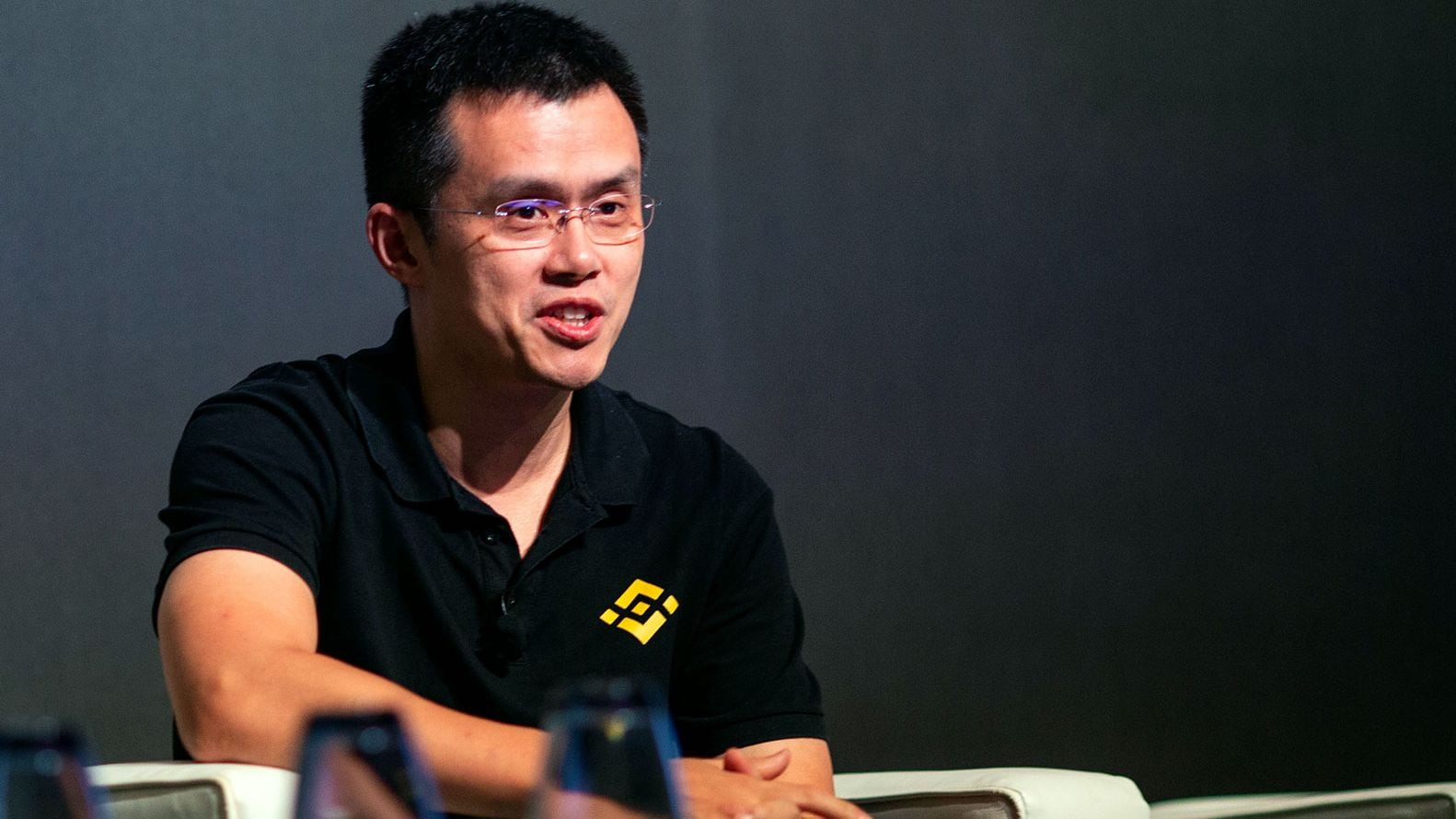
FTX has filed a lawsuit against Binance Holdings and its former CEO Changpeng Zhao, seeking to recover nearly $1.8 billion (approximately Rs. 15,189 crore) that the company alleges was fraudulently transferred. The legal action stems from a July 2021 share repurchase deal orchestrated by Sam Bankman-Fried, the now-imprisoned co-founder of FTX. This lawsuit marks the latest effort by FTX to reclaim funds amid its ongoing bankruptcy proceedings.

According to the filing from the FTX estate, the transaction involved Binance, Zhao, and other Binance executives selling their stakes in FTX’s international and US-based entities. These stakes amounted to about 20 percent in FTX’s global operations and 18.4 percent in its US division. The payment for the repurchase was made using a mix of cryptocurrency assets, including FTX’s native token, FTT, as well as Binance-branded coins BNB and BUSD, valued at approximately $1.76 billion (roughly Rs. 14,852 crore) at the time.

FTX’s lawsuit alleges that the transaction was carried out using funds that were not rightfully Bankman-Fried’s to use, claiming that they were misappropriated from FTX customer deposits. These allegations echo broader accusations of financial misconduct against Bankman-Fried, who has faced extensive legal scrutiny since FTX’s collapse. The case underscores the complex web of financial relationships between FTX and Binance, two of the largest players in the cryptocurrency industry before FTX’s downfall.

Binance has yet to issue a formal response to the lawsuit. However, the case is likely to intensify scrutiny on both companies and their executives, raising questions about corporate governance and fund management practices in the cryptocurrency sector. For FTX, recovering the disputed funds is crucial as it works to compensate creditors and navigate its way through bankruptcy proceedings.

Binance CEO Reports 40% Growth in Institutional and Corporate Investors in 2024

Binance CEO Richard Teng announced that the cryptocurrency exchange has experienced a 40% rise in institutional and corporate investors this year. Speaking at the Token2049 conference in Singapore, Teng highlighted the growing interest from large financial players, stating that this marks the beginning of a larger wave of institutional investment in cryptocurrencies like Bitcoin and Ether.

“Allocation into crypto by institutions is just at the tip of the iceberg,” Teng remarked, noting that many firms are still conducting due diligence before fully entering the space. He emphasized that Binance has seen a significant increase in onboarding from corporate and institutional clients, although he did not disclose specific companies involved.

This growth comes despite Binance’s recent legal challenges, including a $4.3 billion settlement with U.S. regulators that led to the departure of co-founder and former CEO Changpeng Zhao. Zhao remains a major shareholder, while Teng has steered Binance through a transition to a board-led structure, something he believes regulators find more acceptable.

Teng, who became CEO in November 2023, previously served as CEO of Binance Singapore and held senior roles at the Financial Services Regulatory Authority of Abu Dhabi and the Singapore Exchange. He noted that the increasing regulatory clarity in markets like the U.S. has contributed to institutional interest. The approval of exchange-traded funds (ETFs) for Bitcoin and Ether has also added legitimacy to the sector, according to Teng.

Bitcoin’s price surge earlier this year, reaching over $70,000 in March, was partially attributed to increased institutional involvement, with figures like BlackRock CEO Larry Fink referring to Bitcoin as “digital gold.” Traditional investment firms such as Franklin Templeton and BlackRock have issued ETFs for Bitcoin and Ether, further driving mainstream adoption.

Franklin Templeton CEO Jenny Johnson, speaking earlier this year, predicted that a second wave of larger institutional investors would soon enter the market, building on the momentum of early adopters. Teng, meanwhile, highlighted the cyclical nature of cryptocurrency markets, noting that prices typically rise about 160 days after Bitcoin undergoes a “halving” event. With the next such event just days away, Teng hinted that the market could soon see another price boost.