Yazılar

SoftBank in Talks to Invest Up to $25 Billion in OpenAI

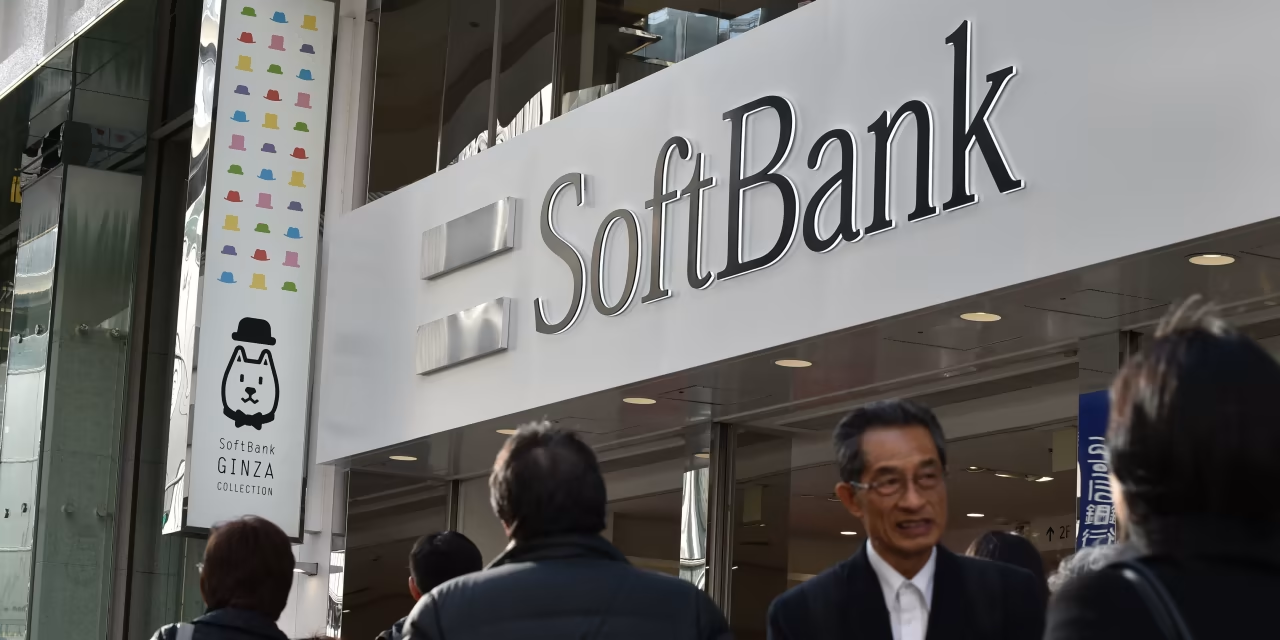
SoftBank is in discussions to invest between $15 billion and $25 billion in OpenAI, the owner of ChatGPT, according to a source familiar with the matter. The move is part of the Japanese conglomerate’s ongoing efforts to expand its footprint in the AI sector. Some of the investment may go towards funding OpenAI’s commitment to Stargate, a joint venture between Oracle, OpenAI, and SoftBank.

The Stargate project aims to secure up to $500 billion in investments to keep the U.S. ahead of China and other global competitors in the AI race. SoftBank has already committed $15 billion to Stargate and is exploring additional financing options for the project. The investment talks with OpenAI are still in early stages, according to the source.

Earlier reports indicated that SoftBank is considering a total investment of $40 billion into both Stargate and OpenAI, including borrowing up to $18.5 billion in financing, secured by its publicly-listed assets. The venture was unveiled at a White House event last week, attended by U.S. President Donald Trump, SoftBank CEO Masayoshi Son, OpenAI CEO Sam Altman, and Oracle Chairman Larry Ellison.

However, SoftBank’s stock price has taken a hit following a market selloff triggered by the rise of DeepSeek, a Chinese AI startup that introduced a free AI assistant developed at a fraction of the cost of its U.S. competitors. This shift has raised concerns about the sustainability of business models that rely on expensive AI technology and contributed to a decline in SoftBank’s shares, which were down 1% in morning trading on Thursday.

Despite this, SoftBank remains committed to strengthening its position in the AI sector. The company already holds a $1.5 billion stake in OpenAI, which was valued at $157 billion in its most recent funding round. SoftBank and OpenAI have yet to comment on the reported investment discussions.


Microsoft Adds DeepSeek’s AI Model to Azure, Expands AI Offerings

Microsoft announced on Wednesday that it has made DeepSeek’s R1 artificial intelligence model available on its Azure cloud platform and GitHub, expanding its AI offerings. The model will be added to the model catalog, joining over 1,800 other AI models offered by Microsoft, and will be accessible to developers using these platforms.

This move comes just days after DeepSeek launched a free AI assistant that promises to use significantly less data and cost much less than existing services, leading to a surge in downloads. By Monday, the assistant had overtaken OpenAI’s ChatGPT in downloads on Apple’s App Store, causing concern among tech investors.

Microsoft’s adoption of DeepSeek’s R1 model is part of the company’s effort to reduce its reliance on OpenAI, which developed ChatGPT. Microsoft is seeking to integrate both internal and third-party AI models into its flagship Microsoft 365 Copilot product. Additionally, Microsoft plans to offer customers the ability to run the R1 model locally on Copilot+ PCs, which may help address privacy and data-sharing concerns.

DeepSeek’s decision to store user data on servers in China could pose a challenge for its broader adoption in the U.S., where data security is a key concern. Microsoft and OpenAI are also investigating whether a group linked to DeepSeek unlawfully obtained data from OpenAI’s technology.

In response to DeepSeek’s rise in the AI space, OpenAI’s CEO Sam Altman announced adjustments to their releases, including a new version of ChatGPT tailored for U.S. government agencies. Meanwhile, Chinese tech giant Alibaba also unveiled a new AI model, Qwen 2.5, marking the start of a busy period in the AI market.


OpenAI Unveils Operator AI Agent Preview: A New Era of Autonomous Web Task Management

OpenAI Launches Operator AI Agent: A Glimpse Into the Future of Autonomous Web Tasks

OpenAI has unveiled its first artificial intelligence (AI) agent, aptly named Operator. Released as a research preview, Operator is designed to autonomously execute online tasks based on user prompts. The AI agent comes equipped with a dedicated web browser, allowing it to navigate websites, interact with online interfaces, and complete actions without continuous human intervention. Currently, Operator is available exclusively to ChatGPT Pro subscribers in the United States, with plans to roll it out to additional subscription tiers in the near future.

During a live stream event, OpenAI CEO Sam Altman introduced Operator and shed light on the role of AI agents in the evolving tech landscape. Altman explained, “AI agents are AI systems that do work for you independently. You give them a task, and they go off and do it. We think it will be a big trend in AI.” This marks a significant shift from traditional AI tools that require constant user input, as Operator can handle complex sequences of tasks with minimal supervision.

Operator’s capabilities are versatile, ranging from booking tickets and making restaurant reservations to purchasing products online. Users simply provide the desired instructions, and the AI agent handles the rest, streamlining processes that typically demand manual effort. This functionality not only enhances convenience for everyday users but also opens new possibilities for businesses looking to automate routine operations.

While Operator is still in its early stages, its introduction signals a major leap forward in AI development. OpenAI’s decision to limit access during the preview phase allows the company to gather valuable feedback, refine the technology, and address potential security or ethical concerns. As Operator evolves, it has the potential to redefine how individuals and organizations interact with the digital world, making autonomous AI agents an integral part of daily life.