Yazılar

Alibaba Unveils Qwen 2.5 AI Model, Claims Superiority Over DeepSeek

Chinese tech giant Alibaba (9988.HK) has launched Qwen 2.5-Max, its latest AI model, which it claims surpasses DeepSeek-V3, GPT-4o, and Llama-3.1-405B in performance.

Key Highlights:

  • Unexpected Timing:
    • Released on Lunar New Year’s first day, signaling urgency amid DeepSeek’s rapid rise.
  • DeepSeek’s Disruptive Impact:
    • DeepSeek-V3 & R1 models have shaken Silicon Valley and Chinese AI firms.
    • The low-cost model pricing has forced AI leaders to reassess spending strategies.
  • Domestic AI Rivalry Intensifies:
    • ByteDance quickly upgraded its AI model to challenge OpenAI.
    • Alibaba, Baidu, and Tencent are aggressively cutting prices to remain competitive.
  • DeepSeek’s Unique Approach:
    • Founder Liang Wenfeng prioritizes AGI (Artificial General Intelligence) over price wars.
    • The startup operates lean and research-focused, unlike hierarchical tech giants.

Alibaba’s latest move underscores the fierce AI competition in China as companies race toward dominance in next-gen AI models.

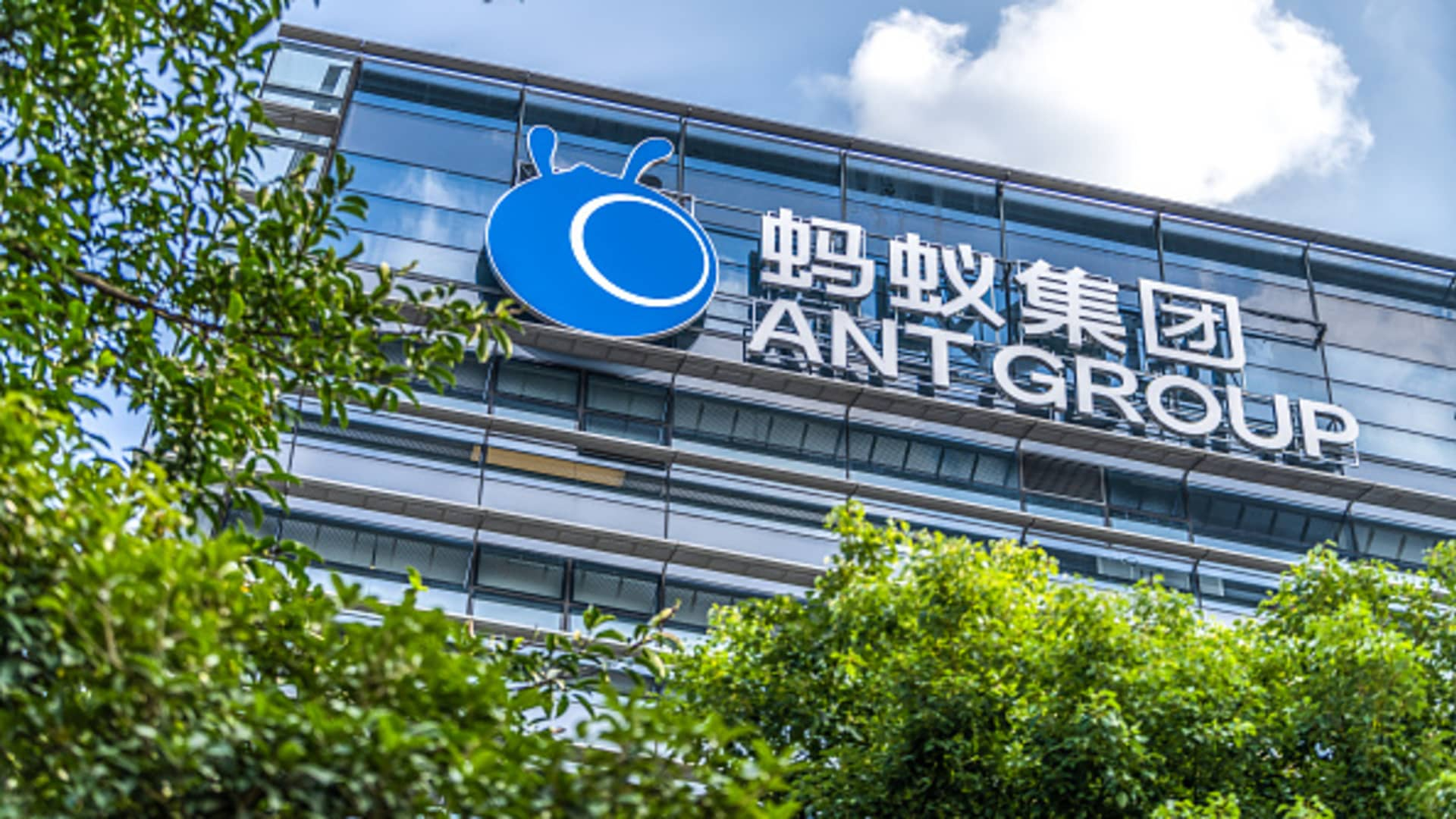
Ant Group Appoints New CEO as Jack Ma Discusses AI in Rare Appearance

Ant Group has announced Cyril Han, the company’s president and finance chief, will succeed Eric Jing as CEO starting March 1, 2025. Jing will remain as chairman, and Han will report directly to him. This change in leadership comes as Ant Group, the parent company of the popular Alipay payments app, seeks to rejuvenate its growth following regulatory challenges in China’s tech sector.

The announcement was made during Ant Group’s twentieth anniversary celebrations, which also featured a rare public speech by founder Jack Ma. Ma, whose businesses have faced significant scrutiny from Chinese authorities, reflected on the internet era’s impact on his generation. He also expressed confidence that the artificial intelligence revolution over the next two decades would far surpass expectations, underscoring the transformative potential of AI.

Ma’s appearance is notable, given the regulatory clampdown on China’s tech sector, which halted Ant Group’s much-anticipated IPO in late 2020. Since then, Ant has restructured its operations to comply with government regulations. This regulatory tightening has affected major Chinese tech companies, including Alibaba, the e-commerce giant Ma co-founded.

Despite these challenges, recent signs suggest that Chinese regulators are loosening restrictions as the nation’s economic growth slows, offering hope for a potential recovery in the sector.


Baidu’s Robotaxi Unit Eyes Global Expansion Amid Rising Competition

Baidu’s autonomous driving division, Apollo Go, is reportedly exploring potential expansion into international markets in the near future. According to an inside source, discussions with various firms are underway, although specifics on timelines or targeted regions have not yet been revealed.

Baidu is currently one of China’s leading operators in the robotaxi sector. The company has made significant strides in autonomous driving technology and has been allowed by local regulators in cities like Beijing and Wuhan to run commercial self-driving taxi services. Wuhan stands out as Apollo Go’s largest area of operation, where robotaxis have been in use beyond just testing phases.

The move toward global expansion comes amid increasing competition in the robotaxi space, particularly as Tesla gears up for its much-anticipated robotaxi event this Thursday. Another Chinese player in the field, WeRide, recently announced a partnership to integrate its autonomous vehicles with Uber’s ride-hailing platform in Abu Dhabi. However, that collaboration is not expected to extend to the U.S. or Chinese markets.

In July, electric vehicle giant BYD also teamed up with Uber to work on developing “autonomous-capable vehicles” for Uber’s platform, though no further details have been disclosed regarding this partnership.

In China, Baidu’s Apollo Go, along with other companies like Pony.ai, heavily subsidizes robotaxi rides to drive user adoption. While regulations currently mandate a human attendant to be present inside some of the autonomous vehicles for safety reasons, Baidu continues to push forward with its self-driving services. By late July, Apollo Go had reportedly completed over 7 million robotaxi rides.

On a separate note, Baidu announced changes to its executive leadership on Tuesday. Rong Luo, who was serving as the company’s Chief Financial Officer (CFO), will step down from that role to take on the position of Executive Vice President overseeing Baidu’s mobile ecosystem unit. Junjie He, the former head of the mobile division, will take over as interim CFO. The company characterized these shifts as part of a “management rotation.”