Yazılar

Chinese State-Linked Accounts Promoted DeepSeek AI Before U.S. Tech Stock Decline, Report Says

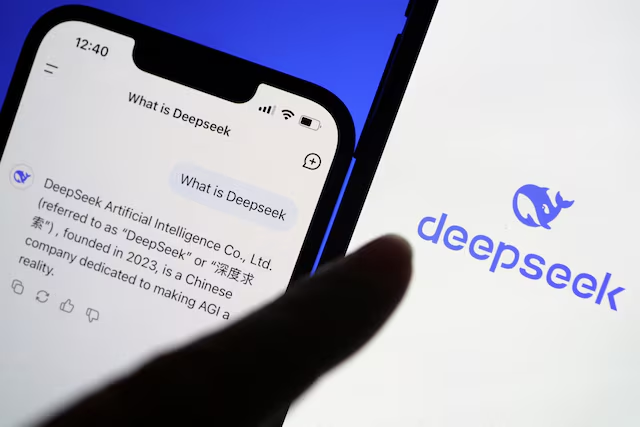
A new report by online analysis firm Graphika reveals that Chinese state-affiliated social media accounts actively promoted the launch of DeepSeek AI ahead of a sharp decline in U.S. technology stocks. These accounts, including those of Chinese diplomats, embassies, and state media, amplified narratives celebrating DeepSeek’s advancements, portraying them as a challenge to U.S. dominance in artificial intelligence.

The promotional efforts appeared on platforms such as X (formerly Twitter), Facebook, Instagram, as well as Chinese services like Weibo and Toutiao. According to Graphika, this coordinated activity is part of China’s broader strategy to shape online narratives and highlight Beijing’s progress in key technological fields.

Graphika also linked DeepSeek-related content to previously identified Chinese influence campaigns, including the Shadow Play operation, which has spread pro-China and anti-Western messaging across YouTube and other platforms. The report found a small spike in discussions about DeepSeek’s AI model on X immediately after its January 20 launch, followed by a significant surge over the weekend.

By Monday, DeepSeek’s AI assistant had surpassed OpenAI’s ChatGPT in Apple App Store downloads, coinciding with a sell-off in U.S. tech stocks that erased $593 billion from Nvidia’s market value in a single day—the largest loss in Wall Street history.

The U.S. government has raised concerns over DeepSeek’s access to restricted AI chips. The Commerce Department is currently investigating whether the company has used unauthorized U.S. technology, amid allegations—so far unproven—that it improperly accessed advancements from OpenAI and other industry leaders.

US Investigates Whether DeepSeek Used Restricted AI Chips

The U.S. Commerce Department is investigating whether DeepSeek, the Chinese AI company behind a disruptive new model, has been using U.S.-made AI chips that are restricted from being shipped to China, according to a source familiar with the situation. DeepSeek’s free assistant, which launched last week, has been widely praised for its cost-effective performance and ability to process less data compared to U.S. models. It quickly became the most downloaded app on Apple’s App Store, raising concerns in the U.S. about its competitive edge in AI and contributing to a significant drop in the stock market, which wiped out around $1 trillion from U.S. tech stocks.

The current restrictions on advanced AI processors, particularly from Nvidia (NVDA.O), are designed to prevent China from accessing the most sophisticated chips that could enhance its AI capabilities. The U.S. has been tracking organized smuggling operations of these chips into China from countries such as Malaysia, Singapore, and the United Arab Emirates.

DeepSeek has reportedly used Nvidia’s H800 chips, which were legally purchased in 2023. However, the legality of DeepSeek’s access to other U.S. chips remains unclear. It is also known to have Nvidia’s H20 chips, which can be legally sold to China. Although there have been discussions within the U.S. government about placing more restrictions on these chips, the Biden administration and new Trump officials are also weighing tighter controls.

In response to these allegations, Nvidia emphasized that it requires its partners to comply with U.S. export laws, noting that many of its clients in Singapore might use the country as an intermediary for products destined for the U.S. and the West. However, the Singapore trade ministry stated that while there was no indication that DeepSeek obtained export-controlled chips from Singapore, it would continue to uphold the rule of law and cooperate with U.S. authorities.

DeepSeek has also been linked to the use of chips that, while not banned, have raised concerns among AI industry experts. Dario Amodei, CEO of Anthropic, expressed doubts over the legality of some of DeepSeek’s chips, suggesting that they could include smuggled or pre-banned processors.

The U.S. has imposed a range of restrictions on AI chip exports to China and is planning to extend these limits to other countries.


Lawmakers Urge Trump to Consider New Curbs on Nvidia Chips Used by China’s DeepSeek

U.S. lawmakers are calling on President Donald Trump’s administration to consider imposing new export controls on Nvidia’s AI chips, particularly the H20 model, which they allege is being used by China’s AI company DeepSeek. Republican John Moolenaar and Democrat Raja Krishnamoorthi, co-chairs of the House of Representatives Select Committee on China, sent a letter to National Security Advisor Michael Waltz urging a review of the U.S. export control system.

The lawmakers expressed concern that the H20 chip, which is not currently covered by existing U.S. export restrictions, is being used in DeepSeek’s newly released sophisticated AI model. This comes amid growing concerns in Washington over China’s rapid advancements in AI. DeepSeek, which recently launched a free AI assistant, claims its technology uses significantly less data and is far more cost-effective than incumbent models, potentially marking a shift in the AI investment landscape.

In addition to the lawmakers’ letter, the U.S. House of Representatives’ Chief Administrative Officer notified offices not to use DeepSeek’s technology, citing an ongoing review. The U.S. government has long been concerned that China could leverage AI for cyberattacks or even bioweapons development, prompting former President Joe Biden to initiate measures to limit China’s access to AI chips.

Nvidia responded, stating that its products comply with all U.S. regulations and that the company is open to collaborating with the administration on AI-related matters.