Yazılar

Chinese Automakers Ramp Up Hybrid Vehicle Exports to Europe Amid EV Tariff Shift

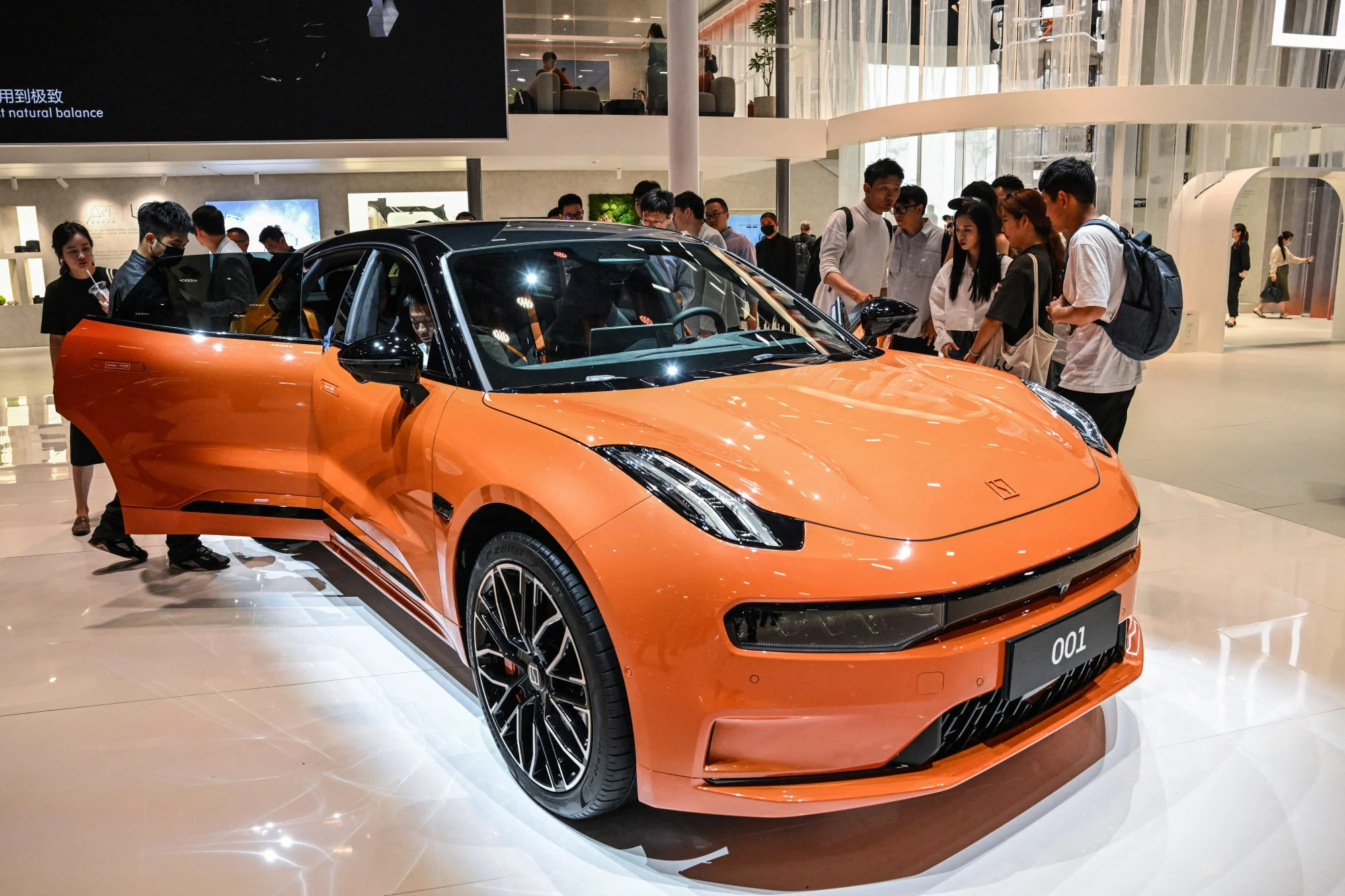
Chinese automakers are accelerating exports of hybrid vehicles to Europe, positioning themselves to bypass the European Union’s newly imposed tariffs on electric vehicles (EVs) from China. These tariffs, which aim to protect the EU’s domestic auto industry, do not apply to hybrid models, presenting a strategic loophole for Chinese carmakers like BYD, the country’s leading EV manufacturer.

The Rise of Hybrid Exports

In the wake of EU tariffs of up to 45.3% on Chinese EV imports, introduced in October 2023 to counter alleged unfair subsidies, exports of hybrids have surged. From July to October, hybrid exports from China to Europe more than tripled to 65,800 units compared to the same period last year. Consequently, hybrids accounted for 18% of China’s vehicle exports to Europe in Q3, up from 9% in Q1. By contrast, EV exports dropped slightly from 62% to 58%.

Hybrid vehicles, which combine gasoline and electric power, are gaining traction among European consumers as an economical alternative to fully electric or combustion-engine vehicles, especially during periods of high inflation.

Automakers Adjust Strategies

Faced with slowing car sales in China and high tariffs in North America, European markets are becoming an essential outlet for Chinese automakers. Companies are also exploring local production in Europe to mitigate tariff-related costs. BYD, for instance, is considering manufacturing hybrids and EVs at its Hungarian plant.

New Models Targeting European Consumers

Chinese automakers are rolling out competitive hybrid models for Europe:

  • BYD’s Seal U DM-i, its first plug-in hybrid for the European market, is priced at €35,900, undercutting Volkswagen’s Tiguan PHEV and Toyota’s C-HR PHEV.
  • Geely, China’s second-largest automaker, launched a plug-in hybrid under its Lynk & Co brand in Europe.
  • SAIC Motor is developing a range of powertrain systems tailored to European consumers to offset the high 35.3% tariff on its EVs.

The competitive pricing strategy could reshape the hybrid vehicle market, where European and Japanese automakers currently dominate. However, analysts warn that overly aggressive pricing by Chinese firms may provoke further trade restrictions from the EU.

Global Implications

Japan’s automakers are also leveraging the growing demand for hybrids in Europe, partly to address overcapacity in China. Honda, which experienced a 29% slump in Chinese sales in the first nine months of 2023, is exporting hybrids and EVs from China to Europe.

Chinese automakers’ pivot to hybrids underscores a broader trend of diversification, with companies like BYD and Geely positioning themselves as global players. Nonetheless, their success in Europe will depend on balancing market expansion with regulatory risks.

As the EU hybrid market grows, cost-sensitive European consumers could benefit from these competitively priced models, potentially disrupting the traditional dominance of local and Japanese automakers.
Chinese Automakers Exceed Annual Delivery Targets Amid Strong Market Demand

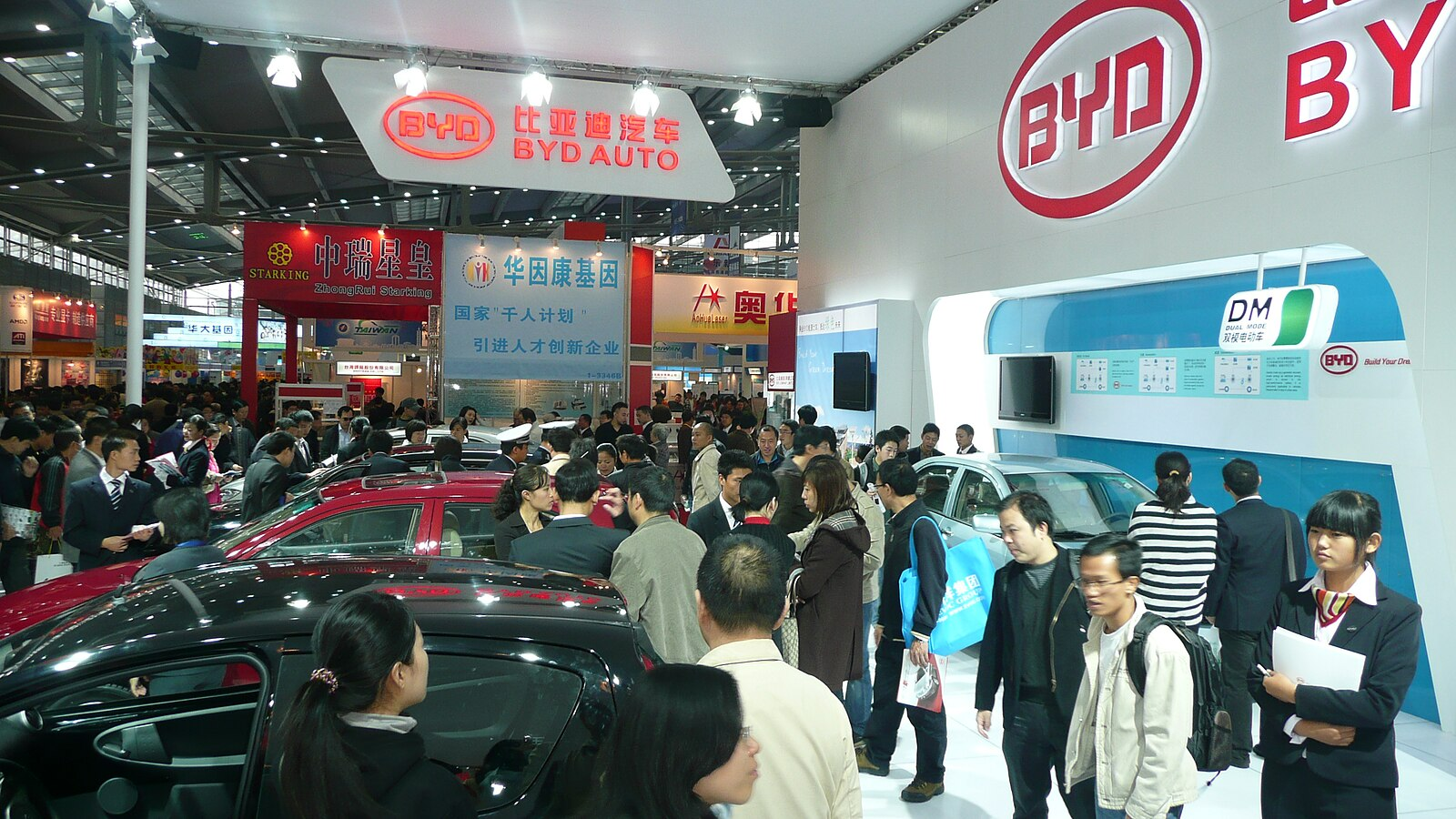
Leading Chinese automakers BYD, Leapmotor, Xiaomi, and others have surpassed their 2023 delivery targets ahead of schedule, highlighting the burgeoning growth in China’s electric vehicle (EV) market as the year nears its close.

Key Performers

  1. BYD
    • Delivered 504,003 passenger vehicles in November, a slight increase from October’s 500,526.
    • Year-to-date deliveries total 3,740,930, exceeding the initial full-year target of 3.6 million vehicles.
  2. Leapmotor
    • Recorded 40,169 deliveries in November, reflecting a 5.22% monthly increase and a 117% year-on-year surge.
    • Year-to-date deliveries reached 251,207, surpassing the target of 250,000 vehicles.
  3. Xiaomi
    • Surpassed its initial target of 100,000 deliveries in mid-November, following the March launch of its first car, the SU7.
    • November saw over 20,000 deliveries for the second consecutive month. The revised target now stands at 130,000 deliveries by year-end.
  4. Zeekr
    • Delivered 27,011 vehicles in November, marking a 7.83% increase from October and a 106% year-on-year growth.
    • Year-to-date deliveries total 194,933, closing in on the target of 230,000 vehicles.
  5. Xpeng
    • Achieved a record 30,895 deliveries in November, up 29% month-on-month.
    • Deliveries included 10,000 units of the mass-market Mona M03 for the third consecutive month, alongside 7,000+ units of the new P7+ sedan.
  6. Nio
    • Delivered 20,575 vehicles in November, reflecting a 28.9% year-on-year increase.
    • Year-to-date deliveries total 190,832, with a quarterly goal of 72,000–75,000 vehicles in Q4. The company plans to launch its new Firefly brand on Dec. 21.
  7. Li Auto
    • Delivered 48,740 cars in November, a 5.25% drop from October.
    • Year-to-date deliveries reached 441,995, close to the revised annual goal of 480,000 vehicles.

Market Dynamics

  • Tesla’s Price Cut: In response to the intensifying price war in China, Tesla slashed 10,000 yuan off the Model Y price, reducing it to 239,900 yuan through December.
  • Diverse Strategies: Automakers are leveraging innovative models, expanded lineups, and competitive pricing to capture market share. Brands like BYD and Xpeng continue to dominate with broad EV portfolios, while others like Xiaomi are rapidly scaling operations in their debut year.

Challenges and Outlook

Despite strong growth, companies face challenges including price wars, evolving consumer preferences, and high competition. However, the sector remains optimistic about further expansion, with firms like BYD and Nio outlining ambitious delivery goals for 2024 and beyond.


China-Europe Rivalry Heats Up at Paris Car Show as EV Tariffs Loom

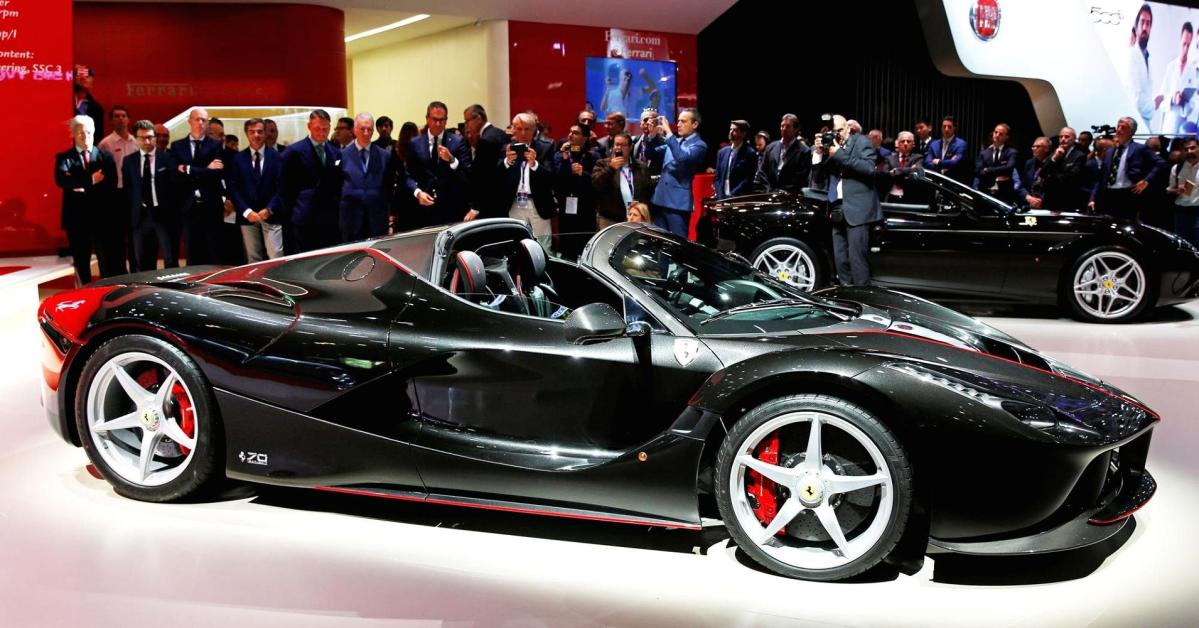
The Paris car show, one of Europe’s largest automotive events, has become a battleground for Chinese and European automakers. Tensions are rising as the European Union prepares to impose significant tariffs on Chinese-made electric vehicles (EVs), a move that could reshape the future of the industry amid already weak demand.

Chinese automotive giant BYD voiced concerns over the planned tariffs, which could reach 45%, warning that these levies would push up prices and deter consumers. Stella Li, executive vice president of BYD, highlighted that the higher costs would disproportionately affect lower-income buyers. “It will stop poorer people from buying,” she said, underlining the impact on affordability and consumer access.

This year’s Paris show, while showcasing major players from both sides, reflects a critical moment for the auto industry. European manufacturers, struggling with declining sales and profitability, are trying to prove they can compete with their Chinese counterparts, who have been rapidly gaining ground.

Tariff Debate and Chinese Expansion

The EU’s impending tariffs are aimed at countering what it describes as unfair subsidies from Beijing to Chinese automakers. European leaders argue that these subsidies give Chinese companies an edge by artificially lowering production costs, allowing them to flood the European market with cheaper EVs. However, Beijing denies these claims and has threatened retaliatory measures against the EU.

Despite the controversy, Chinese automakers are pressing ahead with their plans to expand into Europe. BYD, along with eight other Chinese brands, including Leapmotor, are debuting their latest models at the Paris show. Chinese companies accounted for nearly half the brands present in 2022, but this year they represent about one-fifth, reflecting a stronger response from European carmakers determined to defend their market share.

One of the key attractions at the event is BYD’s Sea Lion 07 SUV, which is expected to generate buzz among European consumers. However, while Chinese automakers like BYD are selling across Europe, they still struggle with brand recognition. That lack of awareness is something they aim to overcome with more aggressive marketing strategies and product launches.

Other Chinese automakers, such as Leapmotor and GAC, are also making their European debut, with plans to establish hundreds of sales points by 2025. While these companies have gained a foothold by undercutting their European rivals on price, they are also trying to differentiate themselves by offering better equipment and features as standard.

Picture background

Europe’s Response

On the European front, car manufacturers face an uphill battle. Industry giants like Volkswagen, BMW, and Mercedes-Benz have all issued profit warnings, largely due to declining sales in China, their biggest market. These companies are feeling the pressure to innovate and reduce costs in the face of Chinese competition, which can bring new models to market in just two years—half the time it typically takes traditional Western automakers.

The European car market itself is struggling. Sales hit a three-year low in August 2024, and automakers like Stellantis have been forced to slash earnings forecasts due to inventory issues in the U.S. market. The European auto industry is now grappling with potential job cuts and factory closures, as companies like Volkswagen consider shutting down plants in Germany to cut costs.

As automakers scramble to remain competitive, Stellantis CEO Carlos Tavares hinted at tough decisions ahead, including potential job cuts or even offloading underperforming brands. Speaking on French radio, Tavares emphasized that it would ultimately be up to consumers to determine which brands survive, saying, “It’s the clients, not me, but there is no taboo.”

Adding to the pressure, European consumers are becoming more price-conscious. The French government recently announced that it would reduce its subsidies for EV buyers, following in the footsteps of Germany, which ended its EV subsidy program in 2023. These moves are likely to further strain the EV market as manufacturers try to close the price gap between electric vehicles and their cheaper gasoline-powered counterparts.

The Broader Context: Chinese and U.S. Relations

For Chinese automakers, the European market is critical, as they have largely been shut out of the U.S. market. The Biden administration has imposed a 100% tariff on Chinese-made EVs and proposed restrictions on key Chinese software and hardware in connected vehicles. With limited opportunities in the U.S., Chinese automakers are turning to Europe as their next big growth market.

Chinese companies have been able to leverage their lower production costs and fast development cycles to gain an advantage over European automakers. However, the upcoming EU tariffs could slow down their momentum, depending on how Chinese brands respond. So far, no Chinese automaker has announced plans to raise prices to offset the expected tariffs, but industry analysts warn that increased costs may be inevitable.

Future Outlook: A Battle for Market Supremacy

As EV adoption continues to rise, the competition between Europe and China is intensifying. While Chinese automakers have gained a reputation for producing affordable, feature-rich EVs, they still face hurdles in brand recognition and consumer trust. On the other hand, European automakers must quickly innovate and cut costs if they want to defend their home turf.

Industry insiders predict that price parity between electric and gasoline-powered vehicles could be achieved within the next two to three years, a milestone that could level the playing field for all manufacturers. However, the race is on, and European automakers have only a short window to catch up to their Chinese rivals.

As John Dunne, an automotive expert at Stax, noted, “The Europeans have massive alarm bells ringing. They have recognized they need to do something pretty radical, and they only have a couple of years to do it.”