Yazılar

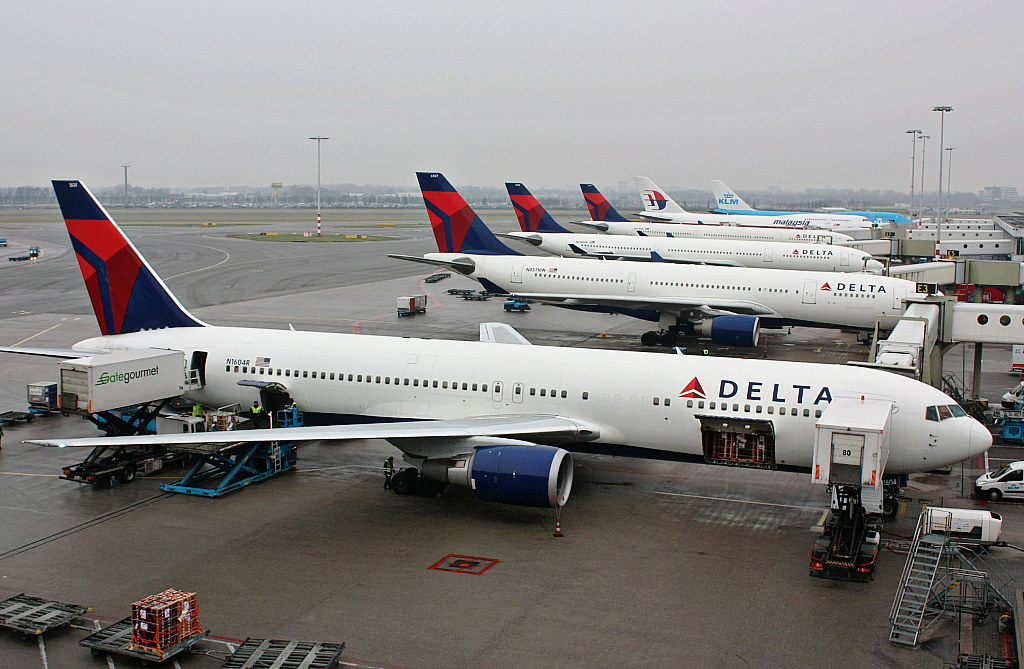
Delta Air Lines Must Face Lawsuit Over Flight Disruptions After 2024 Computer Outage, Judge Rules

A federal judge ruled Tuesday that Delta Air Lines must face parts of a proposed class-action lawsuit filed by passengers who accused the airline of refusing full refunds after massive flight delays and cancellations caused by a computer outage in July 2024.

U.S. District Judge Mark Cohen in Atlanta allowed five of nine plaintiffs to move forward with breach of contract claims, citing Delta’s alleged failure to provide proper refunds. He also allowed a separate group of international travelers to pursue claims under the Montreal Convention, a global treaty covering air travel disruptions.

The outage, which began July 19, 2024, was triggered by a flawed software update from cybersecurity firm CrowdStrike, affecting over 8 million devices and causing significant disruptions to Microsoft clients, including major airlines. While many U.S. carriers resumed operations within a day, Delta’s systems remained down longer, resulting in about 7,000 canceled flights.

Judge Cohen dismissed several other claims, including those he said were preempted by federal law. Still, the ruling is being hailed by passengers’ attorneys as a victory for accountability.

This ruling is a major step forward for Delta passengers seeking accountability,” said Joseph Sauder, a lawyer representing some of the plaintiffs.

Passengers said Delta failed to issue automatic refunds and allegedly required travelers to waive legal claims in exchange for partial compensation.

  • One plaintiff, John Brennan of Florida, missed a $10,000 anniversary cruise after being stranded in Atlanta and was offered only $219.45.

  • Another, Vittorio Muzzi of the Netherlands, said his 5,000-euro trip was disrupted, his luggage delayed 15 days, and he received just €588 in compensation.

Delta, which had sought to dismiss most of the claims, has not responded publicly to the ruling. The airline previously estimated the outage cost $550 million in revenue losses and added expenses.

The case is Bajra et al v. Delta Air Lines, U.S. District Court, Northern District of Georgia, No. 24-03477.

Elon Musk Faces Fraud Lawsuit Over Delayed Twitter Stake Disclosure

Elon Musk must face a fraud lawsuit after a U.S. judge ruled that shareholders sufficiently alleged that he defrauded them by delaying the disclosure of his Twitter stake, now known as X. U.S. District Judge Andrew Carter in Manhattan rejected Musk’s attempt to dismiss the case, which was brought by former Twitter shareholders, including the Oklahoma Firefighters Pension and Retirement System.

The lawsuit claims that Musk’s delayed SEC filing on his initial 5% Twitter stake, which was not disclosed until 11 days after the March 24, 2022, deadline, caused shareholders to sell their stocks at artificially low prices, ultimately costing them more than $200 million. Musk’s eventual filing revealed that he had acquired a 9.2% stake, which sent Twitter shares up by 27% in early April 2022.

Judge Carter found that Musk’s filing and his tweets about potentially creating a Twitter rival or altering the platform’s logo could have misled investors into thinking Musk was making a “passive” investment and did not intend to take over the company. While some claims were dismissed, the case will proceed to explore whether Musk’s actions were fraudulent.

Google Settles Class Action Lawsuit with $100 Million Payment to Advertisers

Google has agreed to pay $100 million in cash to settle a class action lawsuit filed by advertisers, which alleged the company overcharged them through its AdWords program (now Google Ads) by failing to provide promised discounts and charging for ads outside the geographic areas that advertisers targeted. The settlement was filed on Thursday in a federal court in San Jose, California, and is pending judicial approval.

The lawsuit, which dates back to 2011, accuses Google of breaching contract terms by manipulating its Smart Pricing algorithm to artificially reduce discounts and failing to limit ad distribution as specified by the advertisers. The plaintiffs also claimed that Google’s actions violated California’s unfair competition law.

The settlement covers all advertisers who used Google’s AdWords program between January 1, 2004, and December 13, 2012. Google has denied any wrongdoing, stating that the case was related to changes made to ad product features over a decade ago.

Plaintiff attorneys may seek up to 33% of the settlement fund, as well as $4.2 million in expenses. The case required extensive evidence, including over 910,000 pages of documents and several terabytes of click data from Google.