Yazılar

Meituan to Invest “Billions” in AI Chips, Joining China’s AI Spending Surge

Meituan, China’s leading food delivery company, has announced plans to invest “billions” in chips for training artificial intelligence (AI) models, according to CEO Wang Xing during the company’s post-earnings call on Friday. This move aligns with the growing trend of significant AI investments by China’s tech giants.

The announcement comes as the company seeks to bolster its capabilities in AI, a sector rapidly gaining traction across industries. Meituan’s investment is part of a larger wave of funding within the tech sector, with companies like Alibaba also ramping up their AI-related expenditures. In February, Alibaba revealed plans to allocate at least 380 billion yuan toward cloud computing and AI infrastructure over the next three years.

These investments underscore the increasing competition in China’s tech industry as firms race to develop the next generation of AI technologies. Meituan’s focus on AI chip development signals its commitment to maintaining its leadership in food delivery and expanding into other AI-driven sectors.

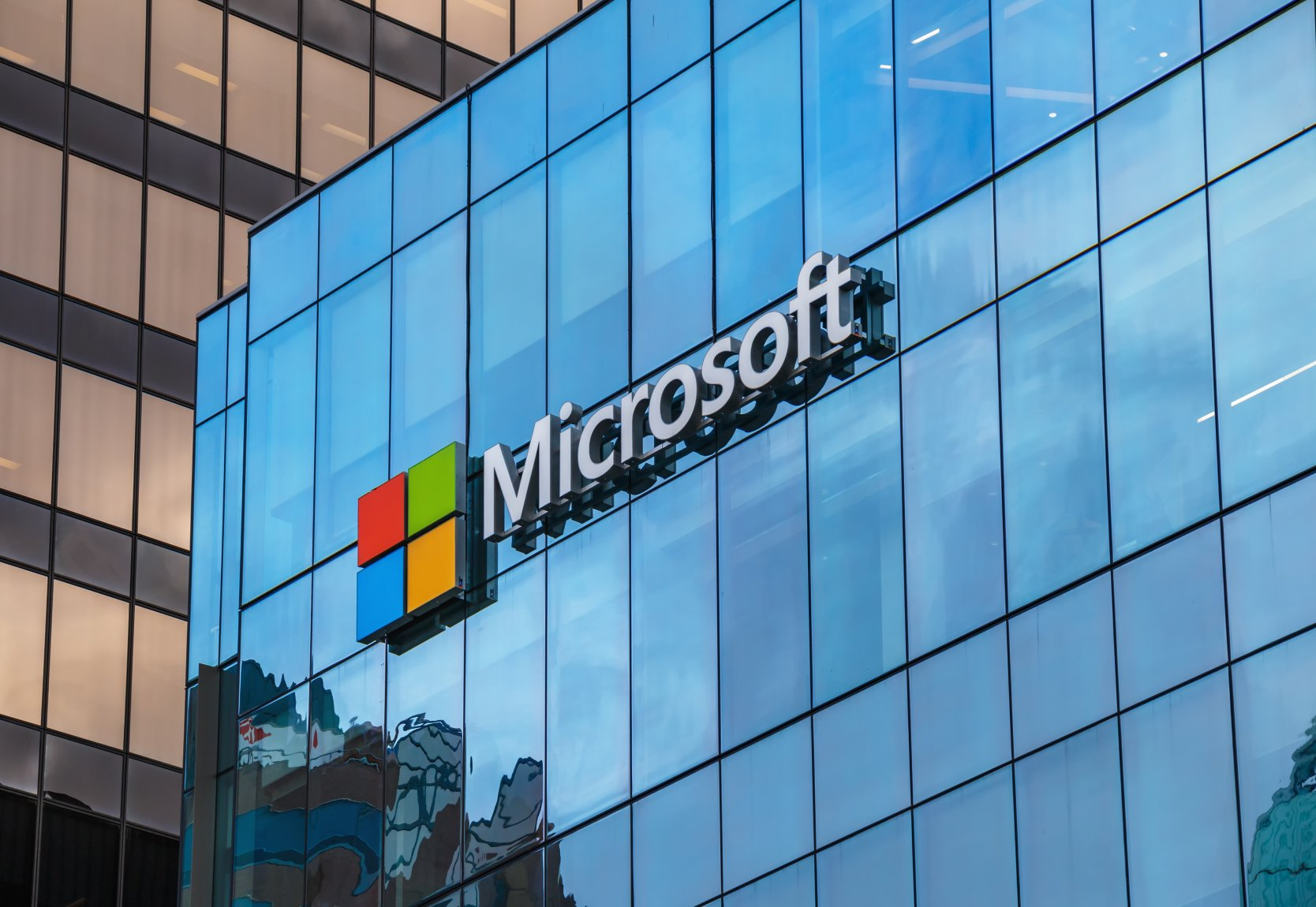
Microsoft to Launch Three Data Centers in Malaysia by Q2 2025

Microsoft is set to launch its first cloud region in Malaysia by mid-2025, featuring three data centers in the greater Kuala Lumpur area, the company announced on Thursday. This initiative follows a $2.2 billion investment revealed last year, aimed at enhancing Malaysia’s cloud and artificial intelligence (AI) capabilities.

The new Malaysia West cloud region is expected to be operational by the second quarter of 2025, according to Laurence Si, Managing Director of Microsoft Malaysia. However, Microsoft has not disclosed the capacity of these data centers.

Regarding potential challenges due to U.S. export restrictions on semiconductor chips, Si stated that Microsoft was monitoring the situation but had not encountered any issues so far. “Everything is status quo for us,” he noted, emphasizing that Microsoft’s investment plans remain on track with support from various stakeholders.

Microsoft estimates that its commitments in Malaysia over the next four years will generate $10.9 billion in revenue and create over 37,000 jobs. The initiative is expected to accelerate innovation, enhance cybersecurity, and strengthen Malaysia’s position as a cloud and AI hub in Southeast Asia.

US Wind and Solar Still Have Room to Grow for Data Centers, Microsoft VP Says

At the CERAWeek energy conference in Houston on Wednesday, Bobby Hollis, Vice President of Energy at Microsoft, shared his insights on the significant potential for growth in U.S. wind and solar energy development, especially in powering the growing demand for data centers. According to Hollis, the Midwest wind corridor and the sunny southwest remain key areas with substantial untapped opportunities for renewable energy production.

The rapid expansion of data centers driven by Big Tech companies, fueled by AI and cloud technologies, has dramatically increased power consumption, raising concerns about the sustainability of relying on renewable energy sources. As these energy-intensive centers continue to proliferate, there are mounting questions about whether they will rely more on carbon-free renewable energy or switch to gas-fired power.

“We still think there is a very long road ahead that keeps renewables an important part of the mix in the places where that makes sense,” Hollis emphasized. Despite challenges, Microsoft remains committed to expanding its use of renewable energy to power its data centers. The company has pledged to become carbon negative by 2030 and is investing a staggering $80 billion this year alone in data center expansion. This massive investment will require vast amounts of electricity, which Microsoft plans to source sustainably, despite the intermittency of solar and wind power.

Since solar and wind are intermittent energy sources, only producing power when conditions are favorable, data centers, which require constant electricity, face significant challenges. To address this, natural gas, a reliable 24/7 power source, has become an increasingly attractive option, despite its associated carbon emissions. Hollis noted, “Let’s add more gas when it’s necessary. Before we ever get to that place, let’s make sure that we’ve added the renewables.”

The Midwest, with its consistent and strong winds, and the sunny southeastern U.S. are identified as regions with great potential for expanding renewable energy infrastructure to meet the needs of data centers. Microsoft’s global renewable power procurement already exceeds 30 gigawatts, underscoring its commitment to driving the transition to cleaner energy sources.