Yazılar

U.S. Lifts Sanctions on Tornado Cash Amid Legal Challenges

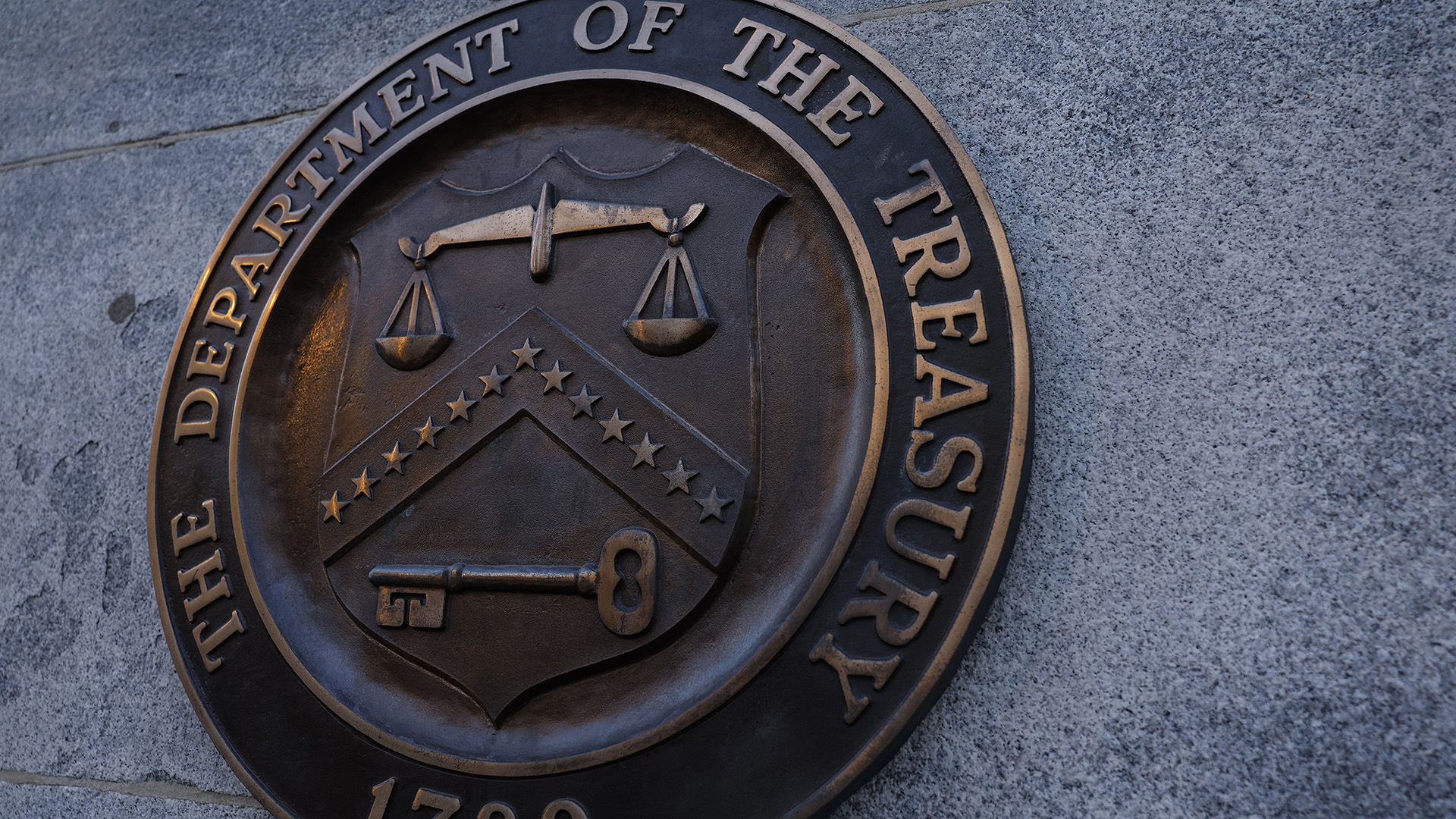
The U.S. Treasury Department announced on Friday that it has lifted sanctions on Tornado Cash, a cryptocurrency “mixer” accused of facilitating the laundering of more than $7 billion, including funds stolen by North Korean hackers. The decision follows legal challenges from six Tornado Cash users, who filed a lawsuit against the sanctions, supported by cryptocurrency exchange Coinbase.

In 2022, the U.S. Treasury’s Office of Foreign Assets Control (OFAC) blacklisted Tornado Cash, claiming the firm had been involved in laundering cybercrime proceeds, including $455 million stolen by the Lazarus Group, a North Korean-backed hacking organization. Tornado Cash is designed to obfuscate the origins and recipients of cryptocurrency transactions, making it a popular tool for illicit activities.

Despite the sanctions being lifted, the Treasury reaffirmed its concerns over North Korea’s state-sponsored cyber activities, particularly its use of stolen digital assets to fund government operations. Treasury Secretary Scott Bessent emphasized the importance of protecting the digital asset industry from misuse by North Korea and other malicious actors.

The decision to lift the sanctions comes after a U.S. appeals court ruled in November that OFAC had overreached in its application of the sanctions. The Treasury indicated that the repeal followed a review of legal and policy issues, particularly in light of evolving technology and legal environments.

In 2023, two co-founders of Tornado Cash were charged with facilitating over $1 billion in money laundering, including laundering for the Lazarus Group. One of the co-founders, Roman Storm, is awaiting trial and has denied any wrongdoing. Additionally, Tornado Cash developer Alexey Pertsev was sentenced to five years and four months in prison in the Netherlands for his involvement in money laundering activities.


Franklin Templeton Files for XRP ETF Amid Rising Altcoin Adoption

Franklin Templeton has filed for an exchange-traded fund (ETF) tracking the spot price of XRP, highlighting the growing interest of asset managers in digital assets beyond Bitcoin. The filing, submitted on Tuesday, is part of a broader trend of increasing cryptocurrency ETF applications, fueled by expectations of a more favorable stance from the U.S. Securities and Exchange Commission under President Donald Trump’s administration.

This move follows Franklin Templeton’s recent filing for a Solana-based ETF last month and Grayscale Investments’ launch of a Dogecoin fund in January.

XRP, developed by U.S. crypto firm Ripple, is the world’s fourth-largest cryptocurrency, with a market capitalization of approximately $124 billion, according to CoinGecko. The token has surged more than threefold over the past year and is among the digital assets Trump has proposed for inclusion in a new strategic reserve.

Franklin Templeton’s XRP ETF is set to be listed on the Cboe BZX Exchange, with Coinbase designated as the custodian for the fund’s XRP holdings.

Coinbase Registers with Indian Financial Watchdog to Offer Crypto Trading

Coinbase Global, the U.S.-based cryptocurrency exchange, has registered with India’s Financial Intelligence Unit (FIU), paving the way for its entry into the Indian crypto market. This registration allows Coinbase to offer crypto trading services in compliance with India’s financial regulations. The company announced on Tuesday that it plans to launch initial retail services later this year, with further investments and product offerings to follow, though a specific timeline has not been disclosed.

India has seen a surge in cryptocurrency interest, particularly among young investors eager to explore digital assets as an alternative income source. Local crypto exchanges such as CoinDCX, Binance, and KuCoin already operate in the country.

“India represents one of the most exciting market opportunities in the world today, and we’re proud to deepen our investment here in full compliance with local regulations,” said John O’Loghlen, Coinbase’s regional managing director for Asia Pacific.

Under Indian law, virtual digital asset service providers, including crypto exchanges, must register with the FIU as reporting entities and adhere to the country’s anti-money laundering regulations. While India imposes a 30% tax on crypto trading gains—one of the highest globally—it has yet to establish comprehensive regulations for the sector.

The government’s stance on cryptocurrencies is under review, influenced by evolving global regulations and recent U.S. policy changes, particularly following Donald Trump’s presidential victory last year. A senior official indicated last month that India is closely monitoring international trends before finalizing its approach to crypto regulation.