Endangered Pygmy Hippo Calf Born at Edinburgh Zoo Named “Haggis”
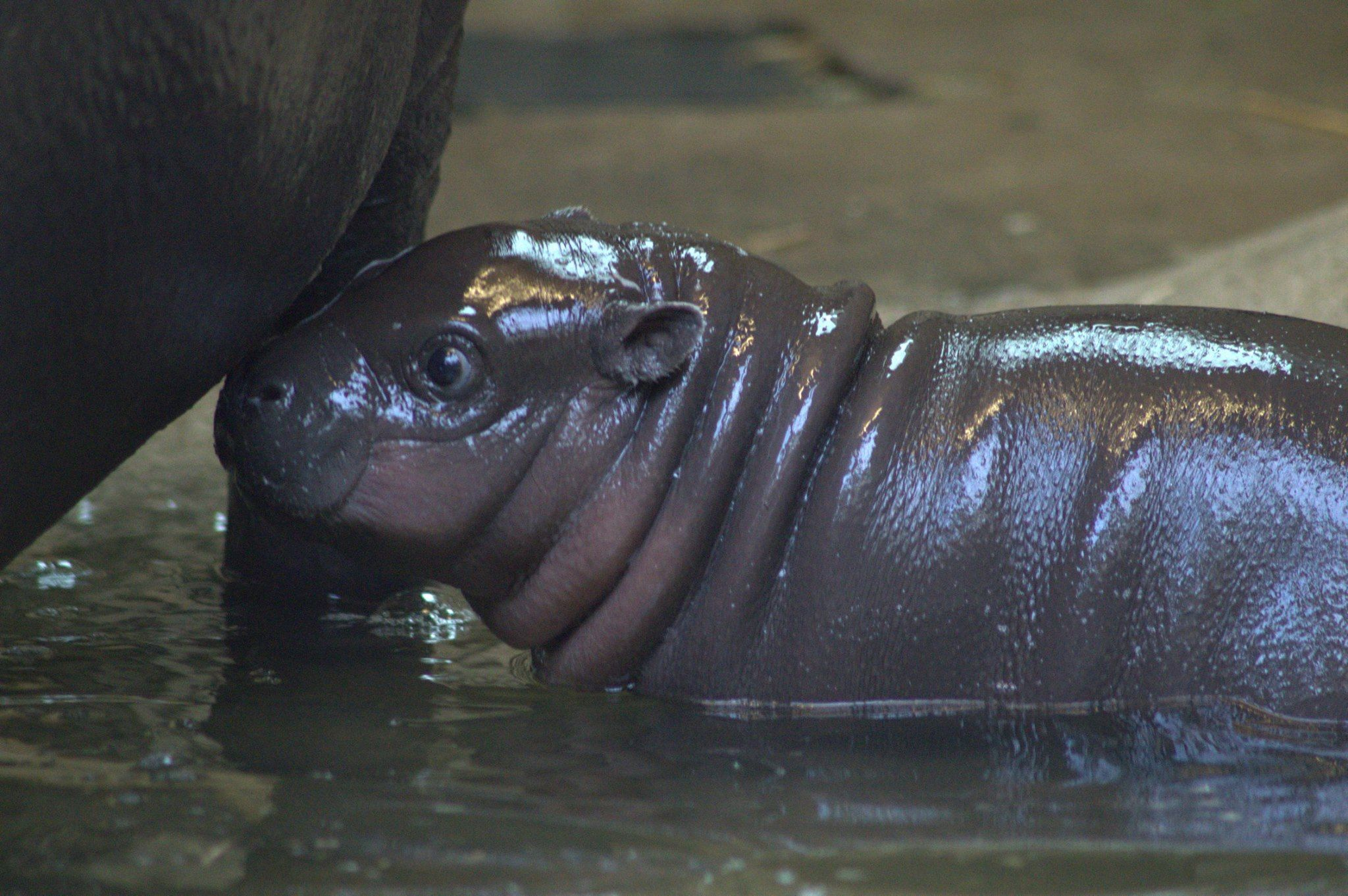
A new and endangered resident has arrived at Edinburgh Zoo—a female pygmy hippo calf named Haggis. Born on October 30 to parents Otto and Gloria, Haggis is already capturing hearts and raising awareness for her rare species. Pygmy hippos, native to the forests and swamps of West Africa, particularly Liberia, are critically endangered, with only around 2,500 left in the wild according to the International Union for Conservation of Nature (IUCN).
The birth of Haggis is a significant moment in the zoo’s conservation efforts. To ensure her health and development, the hippo house has been temporarily closed to visitors so the zoo’s keepers can closely monitor the calf and her mother during these crucial early days. “The first 30 days are critical for her development,” said Jonny Appleyard, the hoofstock team leader at Edinburgh Zoo. “Haggis is doing really well so far, and it’s amazing to see her personality beginning to shine already,” he added.
Haggis joins her older sister, Amara, born in 2021, who was relocated to London Zoo last year as part of the European breeding program to help conserve this endangered species. Pygmy hippos are elusive creatures, known for their solitary nature, and efforts to raise awareness of their plight are essential, particularly as habitat loss and hunting continue to threaten their populations.
Edinburgh Zoo’s new addition follows the global popularity of Moo Deng, a pygmy hippo calf born in Thailand earlier this year. Moo Deng’s viral fame has brought attention to her species through videos shared online by her keepers at Khao Kheow Open Zoo. “While Thailand’s Moo Deng has become a viral global icon, it is important to remember that pygmy hippos are incredibly rare,” Appleyard emphasized, expressing hope that Haggis can serve as Edinburgh Zoo’s ambassador to inspire visitors to learn more about the challenges pygmy hippos face in the wild.
As visitors eagerly await a chance to see Haggis, her birth serves as a heartwarming reminder of the ongoing conservation efforts needed to protect endangered species and their natural habitats.