Yazılar

Lina Khan to Resign from U.S. Federal Trade Commission, Leaving Agency in Limbo

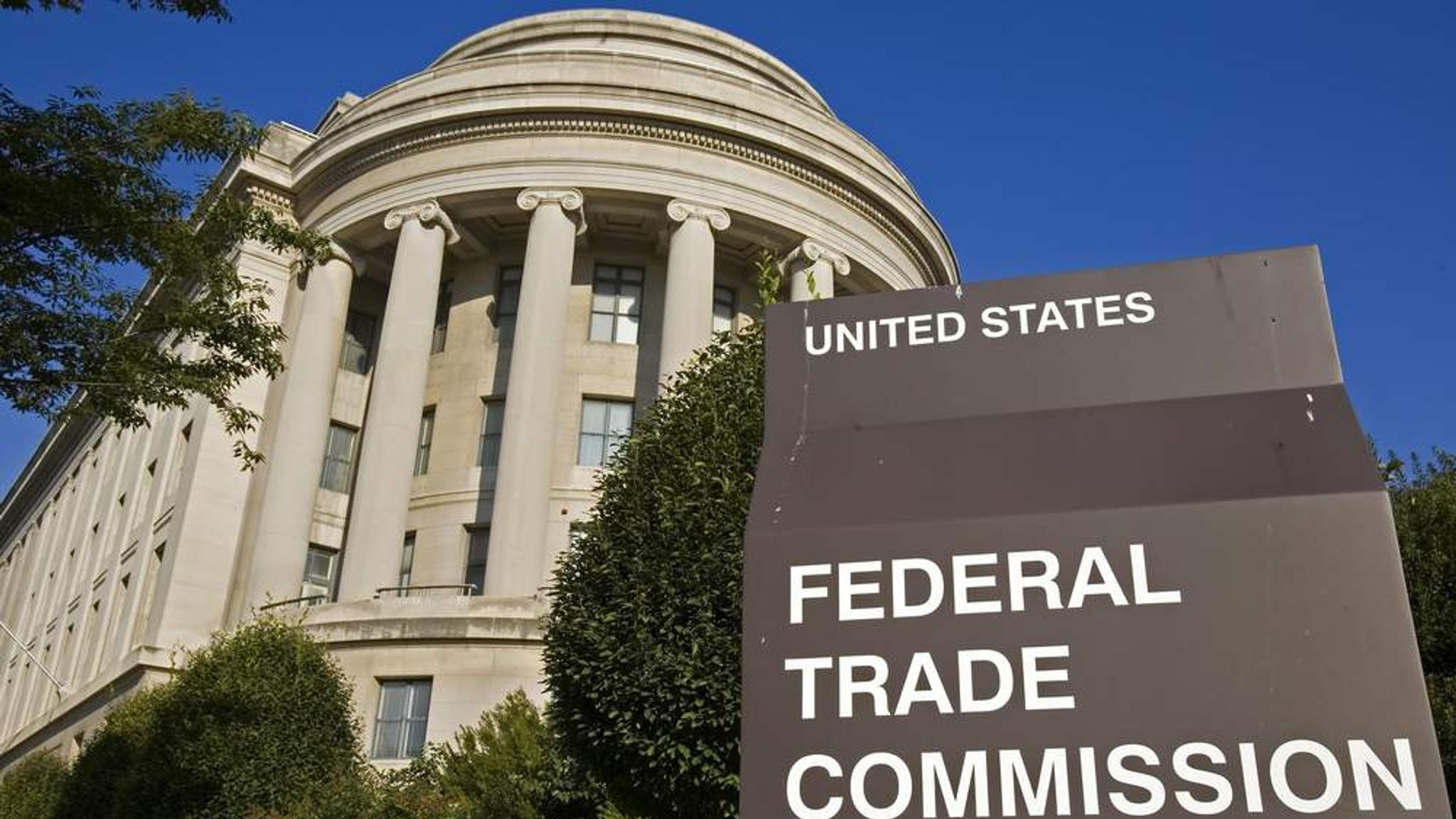
Lina Khan, the U.S. Federal Trade Commission (FTC) chair under President Joe Biden, announced her resignation on Monday in a memo to staff, marking the end of her tenure as the agency’s chief antitrust enforcer. Khan, known for her aggressive stance on antitrust issues, will depart in the coming weeks, creating a temporary deadlock at the commission.

Key Points:

  • Khan’s Legacy at the FTC: Khan, the youngest person to lead the FTC, has been a fierce advocate for antitrust law enforcement. During her time as chair, she challenged major mergers, including Amazon’s practices and tech giants like Microsoft and Google. Notably, her leadership led to the FTC blocking Kroger’s $25 billion acquisition of Albertsons and the $8.5 billion merger between Tapestry and Capri.
  • Controversial Policies and Legal Challenges: Some of Khan’s initiatives proved contentious. A broad ban on worker noncompete agreements aimed at boosting labor competition was struck down in court. Additionally, her proposed rule requiring subscription services to simplify cancellation processes is facing legal challenges. These policies were opposed by Republicans on the commission, including Commissioner Andrew Ferguson, who became chair when Trump took office.
  • Impact of Khan’s Departure: Khan’s resignation leaves the FTC in a temporary stalemate with a 2-2 split between Democratic and Republican commissioners. However, Republicans will soon hold a majority once Mark Meador, Trump’s nominee, is confirmed by the Senate. Meador, known for his pro-enforcement stance, is expected to influence the commission’s direction.
  • Khan’s Future Plans: As she prepares to leave the FTC, Khan intends to focus on administrative duties such as document retention and records management to comply with legal requirements.

US Government Files Complaint Against Fintech App Dave and CEO for Alleged Violations

The U.S. Justice Department has filed a civil enforcement action against financial technology company Dave (DAVE.O) and its CEO Jason Wilk, alleging violations of federal law. The complaint, filed on Monday, is accompanied by claims from the Federal Trade Commission (FTC) regarding deceptive advertising and improper business practices linked to Dave’s personal finance app.

The government accuses Dave of misleading consumers by advertising cash advances of up to $500 that many users never receive. Additionally, the complaint alleges the company misrepresented how customer tips were used, charged hidden fees, and imposed recurring monthly charges without providing an easy way for users to cancel.

The Justice Department seeks consumer redress, civil penalties, and a permanent injunction to prevent future violations. Dave, in response, disputes many of the claims, stating that they are incorrect, and has introduced a new fee structure to eliminate tips and “express fees” previously associated with instant cash advances. These changes began with new customers on or after December 4 and are also being applied to existing customers.

The current complaint amends a previous FTC complaint from November, which had only named Dave as the defendant and did not seek civil penalties.


Australia Imposes $5.1 Million Fine on Kraken’s Local Operator

Australia’s Federal Court has ordered Bit Trade, the local operator of the Kraken cryptocurrency exchange, to pay a fine of AUD 8 million (approximately USD 5.1 million) for unlawfully offering a credit facility to over 1,100 customers. The ruling follows legal action initiated by the Australian Securities and Investments Commission (ASIC) in 2022, which accused Bit Trade of non-compliance with regulatory requirements tied to its margin trading product.

ASIC’s investigation found that Bit Trade failed to ensure its margin extension product was suitable for its customers, resulting in collective losses of more than USD 5 million. “Bit Trade issued its margin extension product to over 1,100 Australians, charging fees and interest exceeding USD 7 million, without considering whether the product was appropriate for them,” ASIC stated.

The margin extension product offered by Kraken’s operator allowed users to access credit or loans in either digital assets, such as Bitcoin, or traditional currencies like the U.S. dollar. However, this financial product was classified as a “credit facility” by the court in August, as it provided margin extensions in national currencies. Under Australian law, such products must include a publicly available target market determination (TMD), a document specifying the class of consumers best suited for the product.

This case marks the first enforcement action related to the absence of a TMD in Australia. ASIC emphasized the importance of compliance in ensuring consumer protection within the rapidly evolving cryptocurrency sector.

Bit Trade expressed disappointment with the decision. A Kraken spokesperson stated, “We believe these rulings significantly hamper growth in the Australian economy. We look forward to engaging constructively with policymakers and regulators as these rules are developed.”

The penalty is a stark reminder of the growing scrutiny facing cryptocurrency exchanges globally as governments and regulatory bodies aim to safeguard consumers while addressing potential risks in the crypto market.