Yazılar

COP29 Chief Executive Caught Promoting Fossil Fuel Deals, Raising Concerns About the Conference’s Integrity

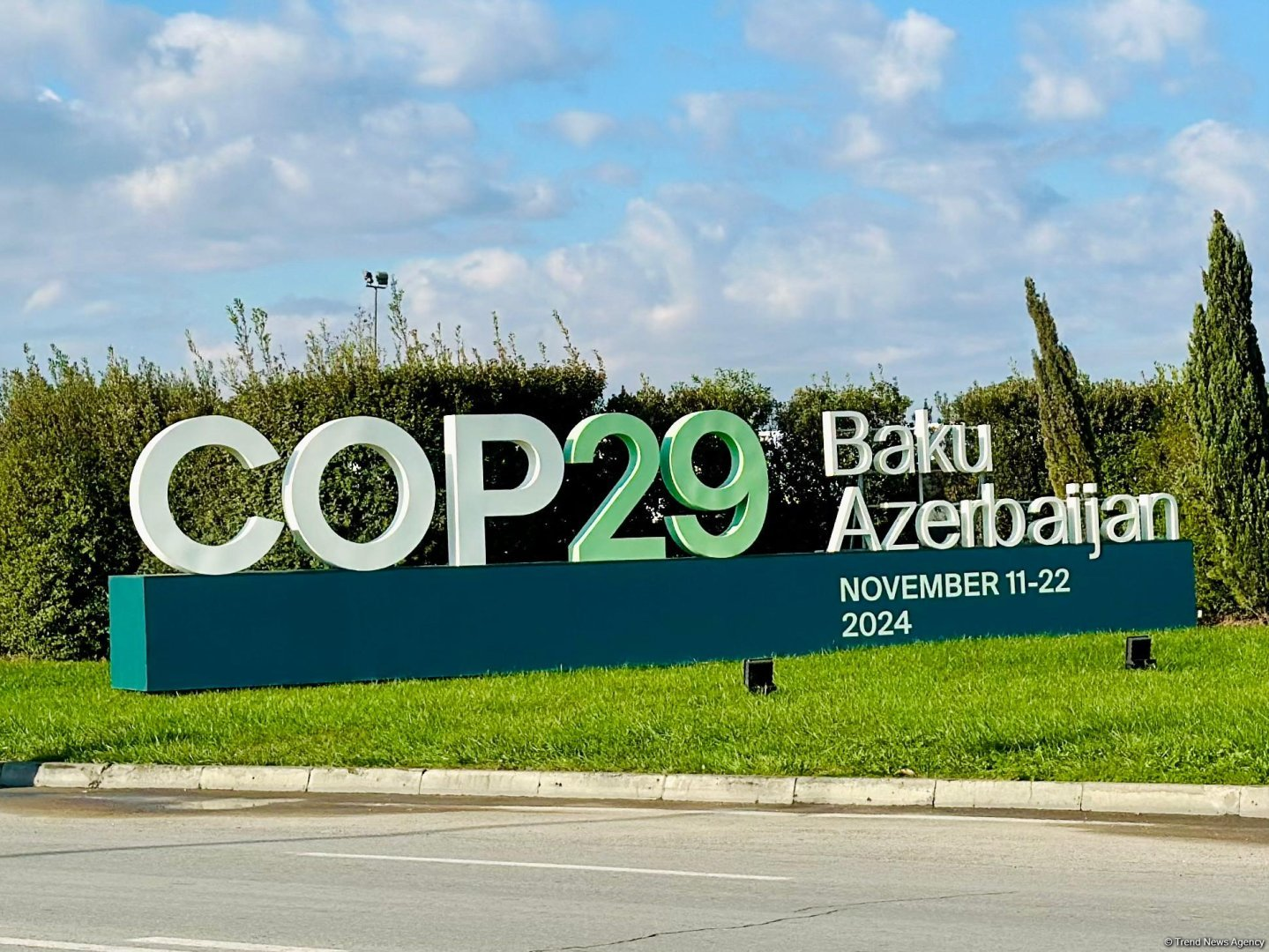
A senior official at the COP29 climate change conference, set to take place in Baku, Azerbaijan, has been caught in a covert video promoting fossil fuel deals while using his position. Elnur Soltanov, the CEO of Azerbaijan’s COP29 team and deputy energy minister, was filmed discussing investment opportunities in the state oil and gas company, Socar, with a man posing as a potential investor. In the recording, Soltanov highlights the country’s many untapped gas fields and the potential for joint ventures, describing natural gas as a “transitional fuel.”

The secret footage raises serious ethical concerns, with critics calling it a betrayal of the COP process. Christiana Figueres, former head of the UN climate change body and architect of the 2015 Paris Agreement, called Soltanov’s actions “contrary and egregious” to COP’s purpose, accusing him of undermining efforts to combat climate change. She described the behavior as a “treason” to the COP process, which is meant to address the world’s reliance on fossil fuels, not facilitate their expansion.

Soltanov, who also sits on the board of Socar, was caught suggesting the fake investor could sponsor COP29 in exchange for discussions about oil and gas investments in Azerbaijan. Despite initially promoting “green transitioning projects,” Soltanov quickly shifted focus to the country’s plans to increase gas production and develop new pipeline infrastructure. He even implied that Socar could open doors for business ventures in the energy sector, including oil and gas, promoting the idea that the doors of Azerbaijan’s energy sector were “open” to anyone with solutions.

The revelation is the latest in a series of controversies surrounding COP hosts. This year marks the second consecutive year that the BBC has reported issues with the host nation’s behavior. Documents and recordings obtained by the human rights group Global Witness reveal the COP29 team discussing a sponsorship deal with a fictitious Hong Kong-based investment firm in exchange for access to the country’s oil and gas business.

The actions of Soltanov and the COP29 team, including offering passes for full access to the summit in exchange for support in energy investments, seem to be in direct violation of the UN’s code of conduct for COP officials. The UN Framework Convention on Climate Change (UNFCCC) enforces these standards to ensure impartiality and prevent conflicts of interest.

Azerbaijan’s COP29 team has not responded to requests for comment on the findings. Meanwhile, Soltanov’s promotion of fossil fuel deals starkly contrasts with the goals of COP29, which seeks to reduce global reliance on fossil fuels and limit the effects of climate change. The incident also follows last year’s revelations about similar attempts at COP28, hosted by the UAE, to strike oil and gas deals, emphasizing the ongoing tension between fossil fuel interests and the global climate agenda.
 

Malaysia’s PM Anwar Ibrahim Intensifies Anti-Corruption Efforts as Country Courts Investment

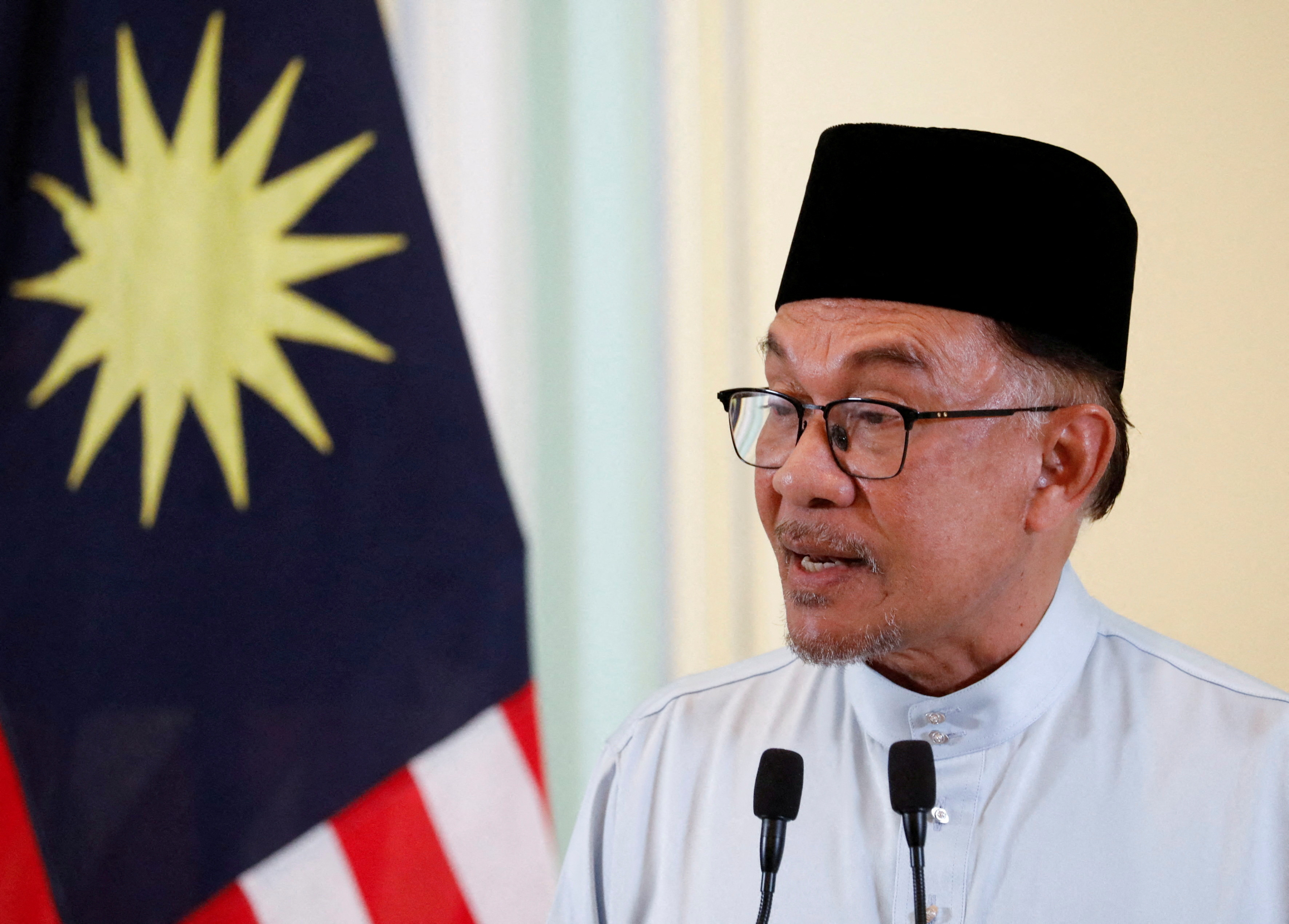
As Malaysia approaches the second anniversary of Prime Minister Anwar Ibrahim’s leadership, his battle against corruption remains at the forefront of his administration’s agenda. Anwar has been unwavering in his determination to address corruption, viewing it as a major obstacle to securing foreign direct investment (FDI) and boosting investor confidence.

“We have to save the country. To my mind, the major problem is poor governance and endemic corruption,” Anwar stated in an interview JP Ong. He emphasized that transparent processes and a strong commitment to eradicating corruption are essential for instilling confidence among both domestic and foreign investors. “Without that trust [and] confidence, nobody will invest in a big way,” he added.

While acknowledging progress in the fight against corruption, Anwar stressed that the mission is far from over. He described corruption in Malaysia as “almost systemic” and vowed to pursue his anti-corruption campaign with “full force.”

Despite ongoing efforts, Malaysia’s FDI inflows dropped to 40.4 billion Malaysian ringgit ($9.7 billion) in 2023, a decrease from 48.1 billion ringgit in 2021. Furthermore, the country lost an estimated 277 billion ringgit in economic output due to corruption between 2018 and 2023. When asked if the government was being too aggressive in its crackdown, Anwar expressed frustration: “Damn it … I would just go after them without mercy.” However, he clarified that he must balance his actions with coalition discussions to ensure a thoughtful, effective approach.

Anwar refrained from addressing specific corruption cases during the interview, but the shadow of the infamous 1Malaysia Development Berhad (1MDB) scandal, which saw former Prime Minister Najib Razak convicted of embezzlement, looms large in Malaysia’s fight for good governance.

In May 2024, Malaysia launched a new national anti-corruption strategy, aiming to elevate the country’s standing in Transparency International’s Corruption Perception Index. Currently ranked 57th, Malaysia aspires to break into the top 25 over the next decade.

While the country’s economy expanded by 5.1% in the first half of 2024, growth has slowed compared to the 8.7% surge seen in 2022. Nonetheless, Malaysia is moving forward with ambitious plans to attract investment, including the development of two special economic zones: the Johor-Singapore Special Economic Zone and the Forest City special financial zone. The latter aims to transform Iskandar Puteri into a thriving business district, offering incentives such as a zero-percent tax rate for family offices, which the government hopes will draw significant investment.


China’s Newest Nuclear Submarine Sank Earlier This Year, US Officials Confirm

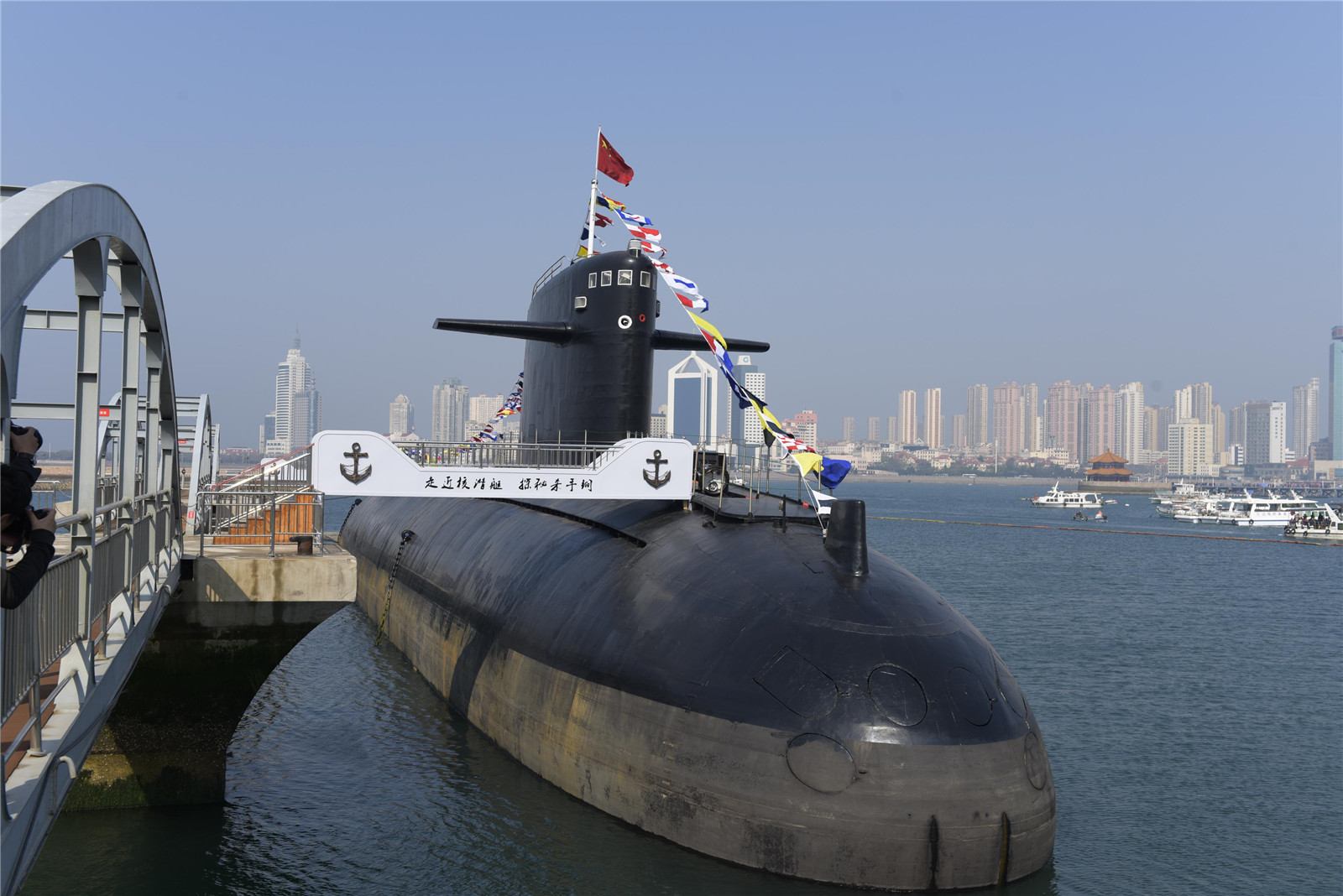
China’s newest nuclear-powered submarine, the first of its Zhou-class line, sank pierside earlier this year, according to two US defense officials. The attack submarine, known for its distinctive X-shaped stern designed to enhance underwater maneuverability, was under construction at a shipyard near Wuhan. Although the Chinese Navy attempted to conceal the incident, satellite imagery captured by Maxar Technologies in March and reviewed later in June confirmed the submarine’s disappearance from its docking site.

The sinking marks a significant loss for the People’s Liberation Army (PLA) Navy, which has prioritized the modernization of its fleet as part of China’s ambition to establish a military on par with that of the United States. A senior US defense official expressed little surprise at China’s efforts to hide the incident, noting that the PLA Navy would likely want to avoid publicizing the loss of its first-in-class nuclear-powered submarine.

Tom Shugart, a senior fellow at the Center for a New American Security, who closely monitors Chinese shipyards through satellite imagery, first observed unusual activity at the location. Shugart noted a rare clustering of cranes at the shipyard—an anomaly compared to historical images of the area. Additionally, the submarine, easily recognizable by its large size and unique tail, had not returned to the pier by mid-year, raising further suspicions of the vessel’s fate.

Beijing’s naval ambitions are vast, with modernization of the PLA Navy’s submarine force being one of its highest priorities. According to a 2023 military power report, the PLA Navy currently operates a total of 60 submarines, including six nuclear-powered ballistic missile submarines, six nuclear-powered attack submarines, and 48 diesel-powered attack submarines. China aims to further expand this fleet to 80 submarines by 2035, despite retiring older models.

The loss of the Zhou-class submarine highlights potential oversight and accountability issues within China’s defense industry. Corruption has long plagued the country’s defense sector, and the incident could raise deeper concerns about internal management within the PLA.

The US, which has identified China as its primary long-term military competitor, operates a more extensive nuclear-powered submarine fleet, including 53 fast attack submarines, 14 ballistic-missile submarines, and four guided-missile submarines. The Chinese PLA Navy, however, remains the largest in the world by total ship count, with 370 platforms, including 234 warships, compared to the US Navy’s 219 warships.

It remains unclear whether the Zhou-class submarine had been fueled with nuclear material when it sank, adding another layer of mystery to the situation. Chinese embassy officials in Washington, D.C., offered no comment, stating they had no information on the incident.