Yazılar

Bumble Meets Q1 Revenue Estimates, Calms Investor Concerns with AI Revamp and Cost Cuts

Bumble Inc. (BMBL.O) reported a 7% decline in first-quarter revenue on Wednesday, but still met Wall Street expectations, helping to ease investor fears over competition and engagement issues in the dating app market. Shares rose 7% in after-hours trading following the update.

Key Financials:

  • Q1 Revenue: $247.1M (vs. $246.2M expected)

  • Includes a $5.9M foreign exchange headwind

  • Paying users (Bumble app): down ~1% to 2.7 million

The company, which competes with Match Group (Tinder) and others, said it is working to revamp its app experience, aiming to enhance match quality, safety, and user verification by integrating AI-based features, including dating coaching tools.

The focus is on improving the user experience,” said Chandler Willison, analyst at M Science, suggesting price hikes may follow the product updates.

Strategic Moves:

  • Cut $20 million from marketing spend

  • Focused on AI innovation and app quality

  • Prioritizing profitability growth and cost efficiency

Outlook:

  • Q2 Revenue Forecast: $235M – $243M (midpoint slightly below $243M consensus)

  • Expects sequential improvement in revenue trend and continued profit growth

There is some encouragement to be taken from these numbers about how Bumble can weather the current environment,” said Jamie Lumley of Carbon Arc, noting the company’s resilience in a mature and macro-sensitive market.

While user engagement and competition remain challenges, Bumble’s proactive steps to cut costs and modernize its platform offer a more optimistic outlook moving into the second half of 2025.

Dayforce Shares Drop 10% After Q2 Revenue Forecast Misses Expectations Despite Q1 Beat

Dayforce Inc. (DAY.N) saw its shares drop 10% on Wednesday after issuing a second-quarter revenue forecast that fell short of Wall Street expectations, despite reporting a better-than-expected Q1 performance.

The HR software provider, formerly known as Ceridian, expects Q2 revenue between $454 million and $460 million, below the $465.5 million consensus estimate compiled by LSEG. The company’s full-year revenue guidance of $1.93–$1.94 billion was roughly in line with expectations.

The cautious outlook contrasts with that of larger competitor ADP, which recently raised its annual revenue forecast on the back of strong enterprise demand and recent strategic acquisitions.

Dayforce posted Q1 revenue of $481.8 million, beating estimates of $476.7 million. Excluding float revenueinterest earned from holding funds before disbursement—the company reported $426.5 million in core revenue. Adjusted earnings for the quarter were 58 cents per share, above the expected 55 cents.

In February, Dayforce announced a 5% workforce reduction, aiming to cut annual costs by $65 million as part of its operational streamlining.

The company provides cloud-based payroll, workforce, and human capital management solutions to enterprise clients worldwide. Despite its strong Q1 results, the lower Q2 guidance may signal softer near-term demand or macroeconomic caution impacting deal flow and client expansion.

Rockwell Automation Raises Annual Profit Outlook After Margin Gains, Shares Surge 8%

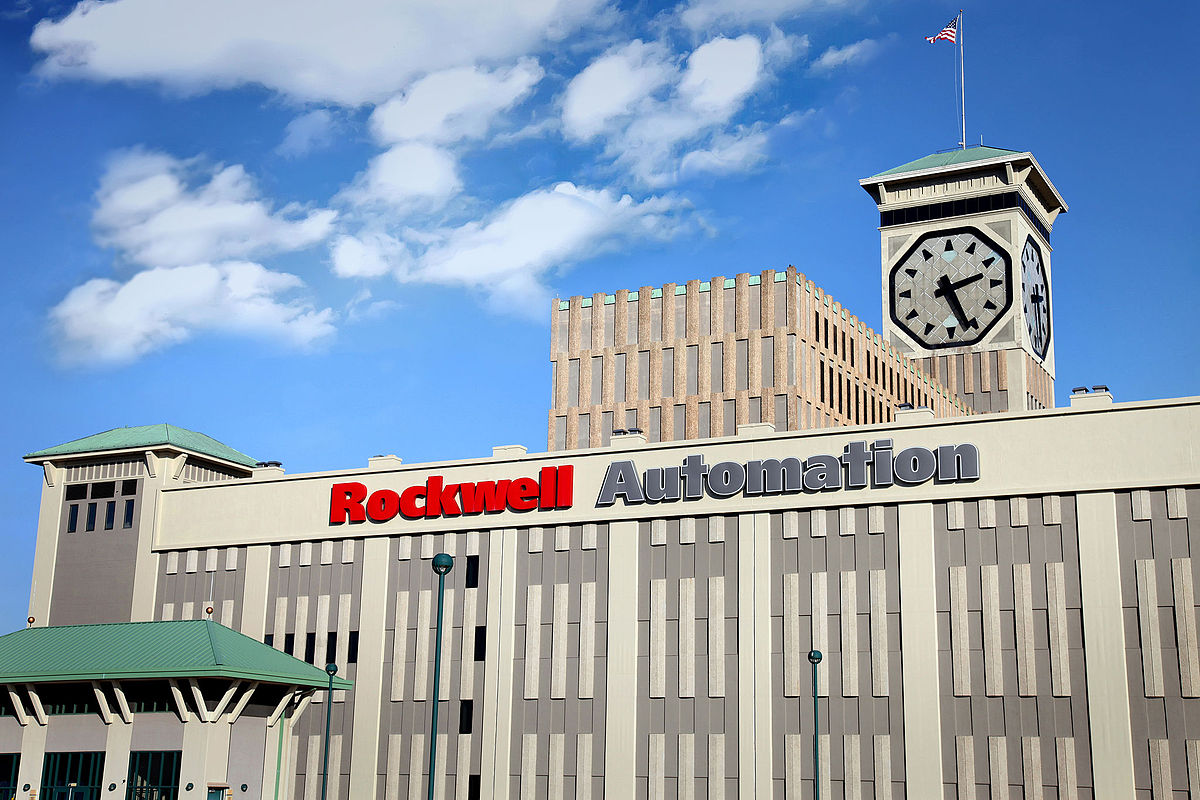
Rockwell Automation (ROK.N) raised its annual profit forecast on Wednesday following cost-cutting measures that boosted margins in the second quarter, driving an 8% surge in premarket trading. Despite a broader slowdown in U.S. manufacturing activity triggered by President Donald Trump’s newly implemented global tariffs, Rockwell has seen resilient demand for industrial automation and software solutions.

The company now expects adjusted earnings per share (EPS) between $9.20 and $10.20, up from its earlier guidance of $8.60 to $9.80. In the second quarter, Rockwell reported:

  • Adjusted EPS of $2.45, surpassing analyst expectations of $2.09 (LSEG data)

  • Revenue of approximately $2 billion, a 6% year-over-year decline, but slightly above the $1.96 billion consensus estimate

Rockwell said it would offset current and future tariff impacts through a combination of price adjustments and supply chain optimizations, a strategy designed to safeguard profitability amid rising input costs.

The company’s outlook aligns with broader trends in the sector, as Emerson Electric (EMR.N) also raised its full-year earnings forecast on Wednesday, reflecting stable demand for industrial upgrades.

Corporate investment in factory automation and digital transformation continues to outpace expectations, as firms seek to improve productivity and cost efficiency, even in a challenging trade and economic environment.