Yazılar

US SEC Issues First Guidance Toward Rules Governing Crypto ETFs

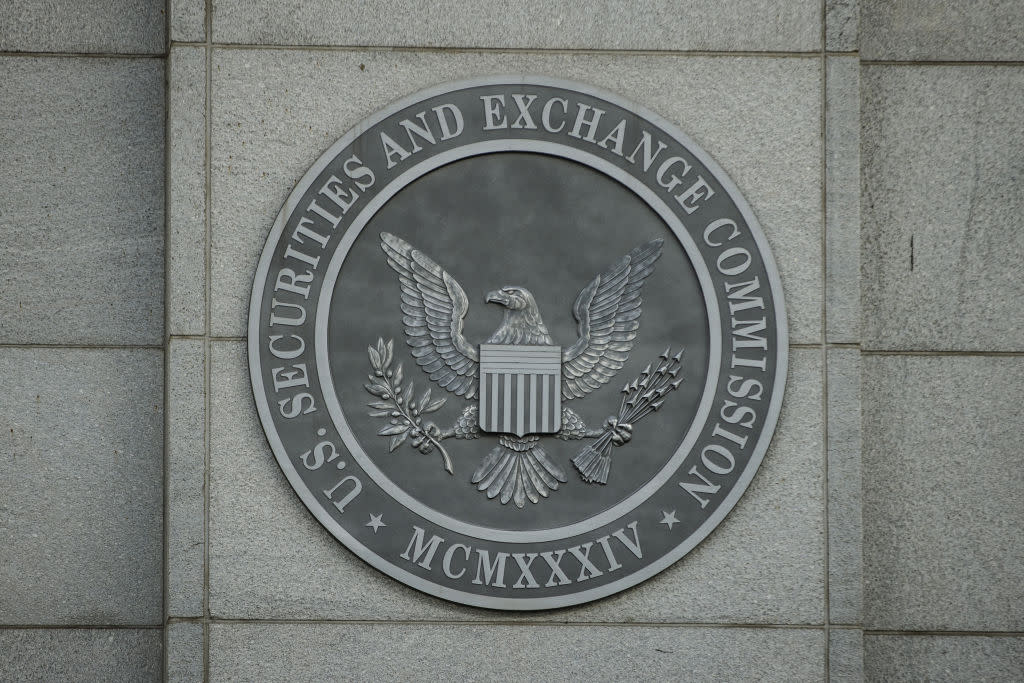
The U.S. Securities and Exchange Commission (SEC) took an important first step last week toward formalizing regulations for exchange-traded products (ETPs) linked to cryptocurrencies. The new 12-page guidance document lays out disclosure requirements for crypto ETFs, marking a shift in approach by the regulator under Republican leadership. This signals progress on approving dozens of pending applications for ETFs tied to cryptocurrencies such as Solana, XRP, and even former President Donald Trump’s meme coin.

The SEC has also formed a task force to develop detailed rules, revamped its crypto enforcement team, and stepped back from some high-profile enforcement cases previously seen as wins. This new guidance aims to create a clearer regulatory framework, helping asset managers and exchanges navigate the approval process more efficiently.

Industry experts welcomed the guidance as an essential step. Matt Hougan, CIO of Bitwise Asset Management, emphasized that its existence acknowledges crypto ETFs as part of the mainstream and begins to set “rules of the road” that benefit both issuers and the SEC. The guidance stresses issuers must explain in plain language key factors like custody arrangements and the unique risks within the competitive crypto market.

A more significant upcoming development will be a new SEC listing template to replace the current requirement for exchanges to submit a special exemption request (known as a 19(b)4 filing) for each crypto ETF listing. Eliminating this form could drastically shorten the approval timeline from up to 240 days to about 75 days, accelerating product launches.

While crypto ETFs linked to coins like XRP, Polkadot, Dogecoin, and the Trump meme coin await approval, many expect the next wave of products will focus on Solana. Some firms are already innovating around regulatory hurdles: last week, REX Financial and Osprey Funds launched the first U.S. ETF providing Solana exposure via an indirect structure involving staking—a process where crypto holders validate blockchain transactions for rewards—allowing them to bypass some commodity fund regulations.

REX’s Solana ETF raised $12 million on its first day, with CEO Greg King acknowledging ongoing regulatory uncertainty but optimistic about the SEC’s forward progress. He also hinted at plans to launch a spot Solana ETF once the SEC finalizes the relevant rules.

Bitcoin Breaks $100,000 Barrier Again Amid U.S.-UK Trade Deal Optimism

Bitcoin surged past the $100,000 mark on Thursday, regaining ground for the first time since February and reflecting renewed investor confidence following a breakthrough trade deal between the United States and the United Kingdom.

By midday, Bitcoin was trading at $101,329.97, up 4.7% on the day, buoyed by improved global risk sentiment. The crypto asset has now entered positive territory for 2025, although it still trails its January all-time high of over $109,000.

The rally follows the announcement of a U.S.-UK trade agreement between President Donald Trump and British Prime Minister Keir Starmer. The deal maintains a 10% U.S. tariff on UK imports but includes Britain lowering its tariffs to 1.8% and expanding access to U.S. goods — signaling a potential thaw in the protectionist climate that has defined global trade since Trump’s return to office.

Market Impact and Commentary:

  • Antoni Trenchev, co-founder of Nexo, described the resurgence as a “formidable feat” and emphasized that long-term holders drove the rebound, overpowering short-term profit-taking.

  • Buying peak fear — just last month Bitcoin was languishing around $74,000 — has proven exceptionally lucrative,” Trenchev added.

  • Joel Kruger of LMAX Group pointed to rising institutional interest, geopolitical stability, and Chinese monetary stimulus as key tailwinds behind the rally.

Other Cryptos Lag Behind:
Ethereum’s native token Ether climbed 14% to $2,050.46, reaching a one-month high, but it remains nearly 50% below its 2024 peak. Other altcoins have yet to mirror Bitcoin’s bullish momentum.

Bitcoin’s trajectory was weighed down earlier this year by uncertainty around the pace of pro-crypto reform under Trump’s new administration. April’s widespread tariff announcements spurred a flight to safety, leading to a temporary slump in risk assets, including crypto.

Now, with geopolitical risk easing and renewed appetite from long-term investors and institutional funds — particularly through Bitcoin ETFs — market sentiment appears to have decisively shifted back in favor of crypto’s largest token.

With the $100,000 psychological level reclaimed, traders are eyeing $109,000 and beyond as the next major milestone.

Next Wave of US Crypto ETFs Set to Launch with Trump’s Inauguration

The crypto asset-management industry is gearing up for the next wave of exchange-traded funds (ETFs) following the launch of spot bitcoin ETFs in early 2024, which exceeded expectations by pulling in $65 billion. These new products have driven the price of Bitcoin up from $43,000 to over $100,000, with BlackRock’s iShares Bitcoin Trust emerging as the most successful debut in ETF history.

Cryptocurrency advocates are optimistic about the future, particularly with President-elect Donald Trump’s inauguration, which is seen as a potential catalyst for a crypto-friendly environment. Several companies, including VanEck, 21Shares, and Canary Capital, have already filed applications for ETFs that would track various cryptocurrencies, including Solana, Ripple’s XRP, and Litecoin.

The push for new products began months before the election, with many issuers anticipating lighter regulatory oversight under a potential Trump administration. The hope is that Trump’s appointee, Paul Atkins, will take a supportive stance on digital assets, contrasting with current SEC chair Gary Gensler’s cautious approach.

Several new crypto ETF products are expected to launch soon, including derivative-based funds designed to protect investors from losses on bitcoin itself. Options on some bitcoin ETFs were approved late last year, and more options will debut shortly after Trump takes office. Innovative new multi-asset funds, such as those that combine cryptocurrencies and gold, are also in the works.

While bitcoin ETFs have seen success, other products, such as those tied to ether, have experienced slower growth. The volatility of less widely-held coins like Solana and XRP raises concerns about their long-term performance, but the industry remains hopeful, citing the growth potential of these emerging assets.

Despite regulatory uncertainty and debates over the classification of certain cryptocurrencies, industry insiders believe the sky is the limit for innovation in the crypto ETF space.