Yazılar

As Bitcoin Soars, Luxury Brands Consider Accepting Crypto Payments

The recent surge in Bitcoin’s value has prompted luxury brands and retailers to explore cryptocurrency as a payment method, aiming to tap into the growing wealth of crypto investors and position themselves as innovative. While early adopters such as LVMH’s Hublot and Tag Heuer, along with Kering-owned Gucci and Balenciaga, have dabbled in crypto payments, the interest among high-end brands is accelerating.

One notable move came from French luxury department store Printemps, which partnered with Binance, the world’s largest crypto exchange, and French fintech firm Lyzi, to accept Bitcoin and Ethereum payments in its French locations. This step makes Printemps the first European department store to embrace cryptocurrency payments, a development generating significant interest from other brands.

“We’ve received numerous inquiries,” said David Princay, president of Binance France, noting ongoing talks with additional luxury labels. Similarly, S.T. Dupont, a maker of luxury lighters and pens, plans to roll out crypto payment options at two Paris locations before the holiday season.

Beyond fashion, the trend has extended into experiential luxury. For example, Virgin Voyages recently launched a $120,000 annual pass for its cruise ships, accepting Bitcoin as payment.

While cryptocurrencies’ high volatility and regulators’ warnings about their risks have been barriers to broader adoption, a more favorable regulatory environment under U.S. President-elect Donald Trump has bolstered confidence in digital currencies. Analysts from S&P suggest that blockchain innovation and greater financial market integration may enhance cryptocurrencies’ predictability, opening new opportunities for businesses.

Branding and Reaching Younger Clients

For luxury brands, embracing cryptocurrencies is as much about innovative branding as it is about new revenue streams. Digital assets can help brands shed their “stuffy” image and appeal to younger, tech-savvy clientele, said Andrew O’Neill, a digital assets analyst at S&P Global Ratings.

Notably, Balenciaga has released a luxury leather cardholder specifically designed to hold “Stax” hardware by crypto wallet company Ledger. The accessory, priced at €350 ($368), comes with an NFC chip and hardware storage for cryptocurrency. Ledger’s products range from $79 for the USB-style Nano wallet to $399 for its high-end Stax wallet.

Luxury conglomerates like Kering have also embraced a forward-looking approach. Gregory Boutte, Kering’s chief client and digital officer, described their strategy as “test and learn” rather than waiting for trends to mature. Gucci, Kering’s flagship brand, has been accepting 10 cryptocurrencies for purchases in the U.S. since 2022.

Expanding Markets and Evolving Preferences

Printemps plans to expand its crypto payment options to its upcoming New York City flagship store, set to open in March 2025 in the Wall Street district. Gucci and Tag Heuer were among the first brands to adopt crypto payments in the U.S. following Bitcoin’s surge in late 2021.

While some crypto investors appreciate the convenience of using digital currencies for luxury purchases, others remain indifferent to brand loyalty. Influencer and crypto investor Eunice Wong shared that she used cryptocurrency to buy several high-end watches, including an Audemars Piguet Royal Oak model. However, Wong prefers the secondary market over traditional retail, citing the speed and ease of purchase as her priorities.

Despite the challenges, luxury brands see crypto payments as a way to attract new customers, diversify revenue streams, and position themselves as leaders in innovation during a time of economic slowdown.
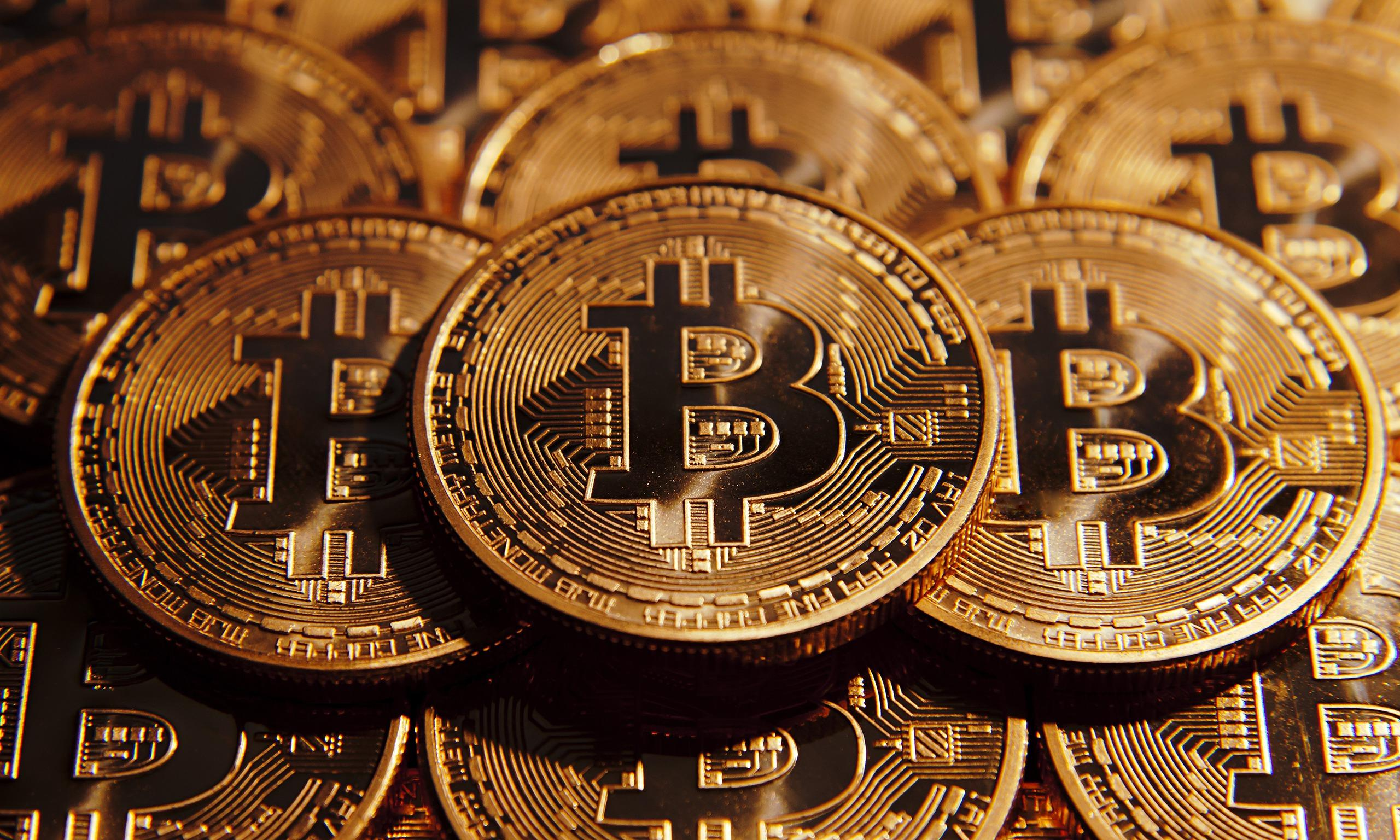
 

Bitcoin Surges Past $100,000 Amid Trump-Driven Crypto Optimism

Bitcoin crossed the $100,000 mark for the first time on Thursday, signaling a historic milestone for digital assets. The surge followed U.S. President-elect Donald Trump’s nomination of pro-crypto advocate Paul Atkins to lead the Securities and Exchange Commission (SEC), propelling Bitcoin to a record high of $103,619 before settling at $102,650.

The cryptocurrency market, now valued at nearly $3.8 trillion according to CoinGecko, has doubled in size this year, rivaling the market capitalization of tech giant Apple. Bitcoin, often viewed as the face of decentralized finance, has doubled its value in 2024 and surged more than 50% in the four weeks since Trump’s election victory, which brought a wave of crypto-friendly lawmakers into Congress.

Institutional Adoption and Regulatory Momentum

Industry experts describe this moment as a “paradigm shift” for digital assets. Mike Novogratz, CEO of Galaxy Digital, highlighted factors such as institutional adoption, tokenization advancements, and clearer regulatory frameworks as drivers of Bitcoin’s mainstream integration.

Trump’s campaign promises to make the U.S. a global leader in cryptocurrency, coupled with his pledge to accumulate a national Bitcoin reserve, have bolstered market optimism. Pro-crypto policies and the nomination of Atkins, known for his work on digital asset best practices, signal a more favorable regulatory landscape. The Blockchain Association praised Atkins as a key figure in ushering a “new wave of American crypto innovation.”

Institutional and Market Drivers

Institutional investors have played a significant role in Bitcoin’s rally. U.S.-listed Bitcoin exchange-traded funds (ETFs), approved in January 2024, have attracted over $4 billion since the election, accounting for approximately 3% of Bitcoin’s total supply this year. The normalization of digital assets in financial markets is becoming evident, with trading desks for cryptocurrencies emerging alongside traditional asset classes such as foreign exchange and commodities.

Bitcoin’s journey into six-figure territory also marks a dramatic recovery from its 2022 lows of under $16,000, following the collapse of the FTX exchange. Analysts note that the launch of Bitcoin futures in 2017 and the strong performance of BlackRock’s Bitcoin ETF options in November 2024 further demonstrate the financialization of the asset.

Crypto-related stocks have surged alongside Bitcoin’s rise. Companies like MARA Holdings and Coinbase saw their shares climb 65% in November, while MicroStrategy, which holds over 402,000 bitcoins, has gained 540% this year.

Criticism and Resilience

Despite its success, the cryptocurrency industry faces ongoing criticism. Concerns over energy consumption, crypto-related crime, and unfulfilled promises of transformative financial technology persist. On Wednesday, U.S. and U.K. authorities disrupted a cryptocurrency-based global money laundering ring tied to Russian elites and drug traffickers.

Still, Bitcoin’s resilience has drawn attention. Russian President Vladimir Putin remarked that its decentralized nature makes it immune to prohibition. Economists like Shane Oliver of AMP acknowledge Bitcoin’s momentum but admit its value remains difficult to assess, adding, “As time goes by, it’s proving itself as part of the financial landscape.”

The Road Ahead

As the Trump administration prepares to take office, the cryptocurrency market appears poised for further growth. Trump’s launch of World Liberty Financial in September, along with Elon Musk’s continued advocacy for digital assets, underscores the increasing prominence of cryptocurrencies in shaping future financial systems.