Yazılar

Cyberattack cripples European airports, disruptions to last into Sunday

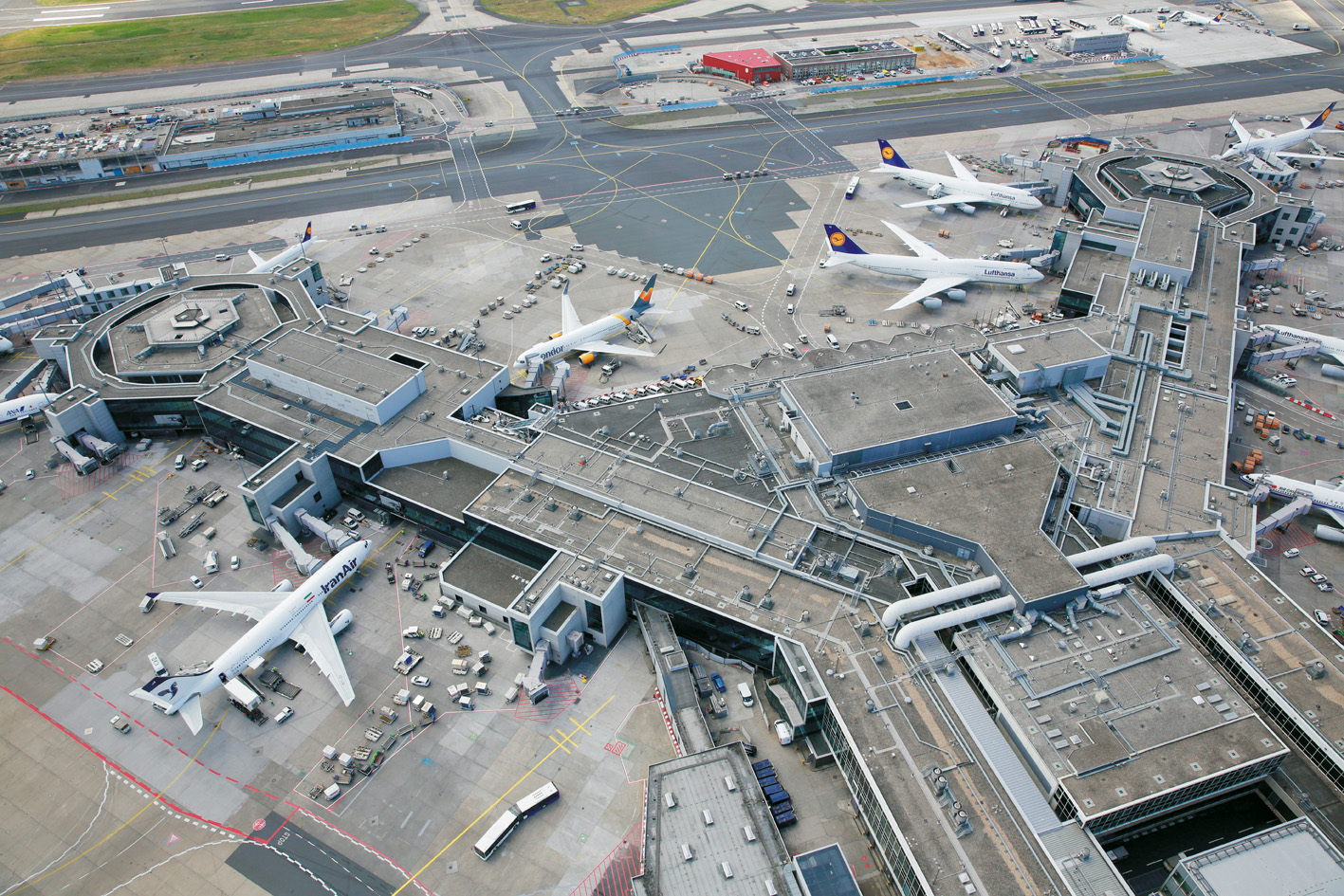
A cyberattack on check-in and boarding systems provider Collins Aerospace caused major disruptions on Saturday across several European airports, including London’s Heathrow, Brussels, Berlin, and Dublin, with impacts expected to stretch into Sunday.

The incident targeted Collins’ MUSE software, which supports airlines worldwide. Parent company RTX confirmed a “cyber-related disruption” but gave no details on the attackers. Airports reported flight delays, cancellations, and diversions, while manual check-in procedures were deployed to keep passengers moving.

  • At Heathrow, Brussels, and Berlin, 29 flights were cancelled by mid-day out of nearly 1,100 scheduled departures.

  • Brussels Airport ordered airlines to cancel half of Sunday’s flights to avoid chaotic queues and last-minute cancellations.

  • Berlin and Dublin airports reported long wait times, while Frankfurt remained unaffected.

The European Commission said there was no indication of a “widespread or severe attack,” though investigations are ongoing. Experts warned the case underscores the fragility of aviation’s digital ecosystem, vulnerable to ransomware or sabotage.

Passengers expressed frustration over poor communication:

  • “We haven’t been told anything except that there was a technical fault,” one traveller in Berlin said.

  • Another called it “inexplicable” that systems remain so easily disrupted.

Airlines responded unevenly: easyJet said operations were normal, Delta and United reported only minor delays, while Ryanair and British Airways did not immediately comment.

Authorities in Britain and Germany said cyber defence teams are working with airports to manage the fallout. The disruption adds to a year marked by high-profile hacks, including breaches at Jaguar Land Rover and UK retailers, fueling concern about escalating digital threats across industries.


UK monitors supply chain risks after Jaguar Land Rover cyberattack halts production

The UK government said Friday it is working with Jaguar Land Rover (JLR) to assess the fallout of a cyberattack that has kept the automaker’s factories offline for more than three weeks. JLR, Britain’s largest carmaker, confirmed its plants will remain shut until at least September 24, extending the disruption first triggered in early September when production was halted to contain the breach.

The shutdown has sparked growing concern over the impact on JLR’s extensive supply chain, which supports 104,000 jobs across the country, many of them at small and medium-sized firms. The Unite trade union has warned the stoppage could lead to layoffs if the disruption persists and has called for government intervention to protect workers.

In a joint statement, the government and the Society of Motor Manufacturers and Traders (SMMT) said officials, including national cyber experts, are directly supporting JLR’s recovery efforts and working to evaluate the knock-on effects across the industry.

The incident underscores the vulnerability of major manufacturing operations to cyberattacks and the risks they pose to national supply chains, especially in sectors where thousands of smaller firms depend on the output of a single large manufacturer.

M&S Digital Chief Steps Down Months After Cyberattack

Marks & Spencer (M&S) announced on Thursday that Rachel Higham, its chief digital and technology officer, is leaving the company less than a year after a major cyberattack crippled its online operations.

Higham, who joined in June 2023, will be taking a career break, according to an M&S spokesperson. “She has been a steady hand and calm head at an extraordinary time for the business and we wish her well for the future,” the company said.

Fallout from the Cyberattack

  • In May, M&S estimated the hack would cost about £300 million ($405 million) in lost operating profit for the 2025/26 financial year.

  • The retailer said it hoped to offset about half of that hit through insurance payouts and cost controls.

Leadership Reshuffle

Higham’s departure has prompted a broader management shake-up:

  • Sacha Berendji, a long-time M&S executive, will now oversee digital and technology alongside his role in property and store development.

  • Thinus Keeve, retail director since June, will shift to report directly to CEO Stuart Machin.

Market Impact

M&S shares are down 8.5% year-to-date, as investors weigh the financial impact of the cyberattack alongside leadership changes.