Yazılar

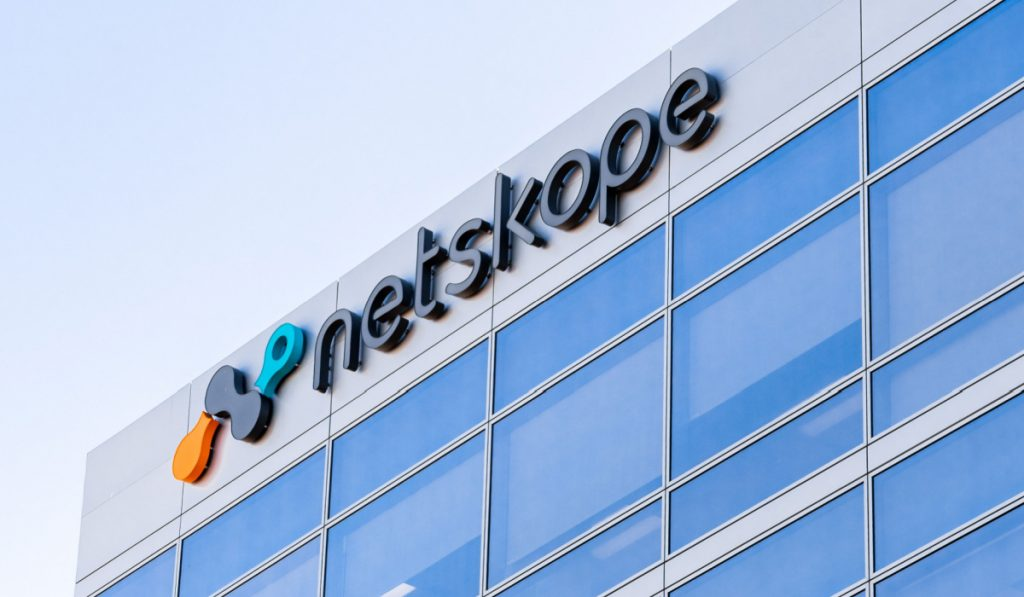
Netskope raises $908.2 million in U.S. IPO, valued at $7.26 billion

Cloud cybersecurity firm Netskope raised $908.2 million in its U.S. initial public offering, the company said on Wednesday. The Santa Clara-based firm sold about 47.8 million shares at $19 each, pricing at the top of its target range of $17 to $19 per share.

The IPO gives Netskope a valuation of $7.26 billion, slightly below the $7.5 billion it reached in a 2021 funding round led by ICONIQ. Investor demand for new listings has surged in recent weeks, following a string of strong debuts that helped ease earlier concerns tied to President Donald Trump’s tariffs, which had delayed several offerings earlier this year.

A wave of companies—from crypto platforms and fintechs to biotechs and coffee chains—has hit the market since Labor Day, signaling renewed appetite for IPOs. Earlier Wednesday, StubHub (STUB.N) also began trading on the NYSE in a closely watched consumer-focused debut.

Founded in 2012, Netskope develops cloud-based cybersecurity software that protects apps, websites, and data against digital threats. Cybersecurity has become a core budget item for global enterprises as attacks grow in frequency and sophistication.

Netskope reported revenue of $328 million in the six months ending July 31, up from $251 million a year earlier, while narrowing its net loss to $170 million from $207 million.

Morgan Stanley and J.P. Morgan led the offering, with Netskope set to trade on the Nasdaq under the ticker “NTSK.”

Vietnam investigates cyberattack on creditors’ data

Vietnam’s National Credit Information Center (CIC), which is overseen by the State Bank of Vietnam, has suffered a cyberattack targeting its database of creditors’ information. Authorities said the breach involved unauthorized access aimed at stealing personal data such as identities, credit payments, risk assessments, and credit card details.

The cybersecurity agency confirmed the investigation is ongoing, while CIC separately notified financial institutions in a September 11 letter, suspecting that the attack was carried out by the hacker group Shiny Hunters—a collective notorious for targeting companies like Google, Microsoft, and Qantas.

Officials stressed that CIC’s systems remain functional, with no disruption to operations or visible damage. However, the scope of the data leak has not been disclosed. Vietnam’s central bank declined to comment, and Shiny Hunters could not be reached.

JPMorgan analysts warned that while the incident does not yet pose a systemic risk, it may lead to higher cybersecurity costs for Vietnamese banks and could potentially affect deposit flows if further breaches occur.

Vietnam has already been grappling with a rising wave of data leaks. A 2024 report by telecom giant Viettel noted that 14.5 million leaked accounts in Vietnam represented 12% of global total leaks, underscoring the country’s growing vulnerability to cybercrime.

Senator Wyden Urges FTC Probe Into Microsoft Over Cybersecurity Failures

U.S. Senator Ron Wyden has called on the Federal Trade Commission (FTC) to investigate Microsoft for what he described as “gross cybersecurity negligence” that he says poses an ongoing threat to U.S. national security.

In a September 10 letter to FTC Chairman Andrew Ferguson, Wyden accused Microsoft of creating vulnerabilities that have led to ransomware attacks on critical infrastructure, including health care organizations. He argued that Microsoft’s default Windows configurations and continued support for outdated encryption standards have left customers exposed.

Wyden compared the company to “an arsonist selling firefighting services,” saying its dominance in enterprise IT leaves agencies and firms with “no choice” but to use its products despite the risks.

The Ascension Case

Wyden highlighted the May 2024 ransomware attack on Ascension, a major U.S. hospital operator, as a prime example. Hackers reportedly exploited a contractor’s laptop after a malicious link appeared through Microsoft’s Bing search engine, eventually breaching Ascension’s Active Directory server and exposing the data of 5.6 million people.

Wyden said Microsoft’s default encryption settings — particularly support for the outdated RC4 standard — facilitated the attack.

Microsoft’s Response

Microsoft acknowledged that RC4 is insecure but stressed it makes up “less than 0.1% of traffic.” The company said it discourages use of RC4 but cannot yet fully disable it because “disabling its use completely would break many customer systems.”

The company pledged to disable RC4 by default in certain Windows products starting Q1 2026 and to roll out additional mitigations.

Broader Context

Wyden has repeatedly urged scrutiny of Microsoft’s role in cyber incidents, including the July 2023 breach by Chinese-linked hackers who stole thousands of U.S. officials’ emails.

The FTC confirmed receipt of Wyden’s letter but offered no further comment.

The senator’s push comes amid broader concerns that the monopoly-like grip of Microsoft on enterprise IT both amplifies security risks and limits customers’ ability to choose safer alternatives.