
Yazılar

UN Report Calls for Stronger Measures to Detect and Combat AI-Driven Deepfakes

The United Nations’ International Telecommunication Union (ITU) has urged companies to adopt advanced tools to detect and eliminate misinformation and deepfake content, highlighting the growing threats these pose to elections and financial security. The call was made in a report released on Friday during the ITU’s “AI for Good Summit” in Geneva.

Deepfakes—AI-generated images, videos, and audio that convincingly mimic real people—are increasingly used to spread false information, the ITU warned. To tackle this, the report recommended robust standards for combating manipulated multimedia and urged platforms like social media sites to implement digital verification tools to authenticate content before sharing.

Bilel Jamoussi, head of the ITU’s Standardization Bureau’s Study Groups Department, noted that public trust in social media has dropped sharply because users struggle to distinguish truth from fake. Generative AI’s ability to fabricate realistic multimedia makes combating deepfakes a particularly pressing challenge.

Leonard Rosenthol from Adobe, a leading digital editing software company addressing deepfakes since 2019, emphasized the need for content provenance—information about the origin of digital media—to help users judge trustworthiness. “When scrolling feeds, users want to know: ‘Can I trust this image or video?’” he said.

Dr. Farzaneh Badiei, founder of Digital Medusa, a digital governance research firm, stressed the need for a coordinated global response, noting the lack of a single international body focused on detecting manipulated media. She warned that fragmented standards could make harmful deepfakes more effective.

The ITU is developing standards for watermarking videos—which constitute 80% of internet traffic—to embed provenance data such as creator identity and timestamps.

Tomaz Levak, founder of Swiss firm Umanitek, called on the private sector to proactively adopt safety measures and educate users. “AI will become more powerful and faster… We must upskill people to avoid them becoming victims,” he said.

Qantas reveals cyber breach exposed personal data of over 5 million customers

Australia’s Qantas Airways confirmed on Wednesday that a major cyberattack compromised the personal data of approximately 5.7 million customers, marking one of the country’s largest data breaches in recent years. Initially, Qantas reported 6 million records affected but later removed duplicates.

More than one million customers had sensitive details like phone numbers, birth dates, or home addresses accessed. An additional four million customers’ data was limited to names and email addresses.

The airline said there is currently no evidence that the stolen data has been publicly released, and it is actively monitoring the situation to protect affected customers.

“Since the incident, we have implemented several new cybersecurity measures to better safeguard our customers’ data and are thoroughly reviewing the breach,” Qantas Group CEO Vanessa Hudson stated.

This breach follows a wave of high-profile cyberattacks in Australia, including those against telecom giant Optus and health insurer Medibank in 2022, which spurred the introduction of mandatory cyber resilience regulations.

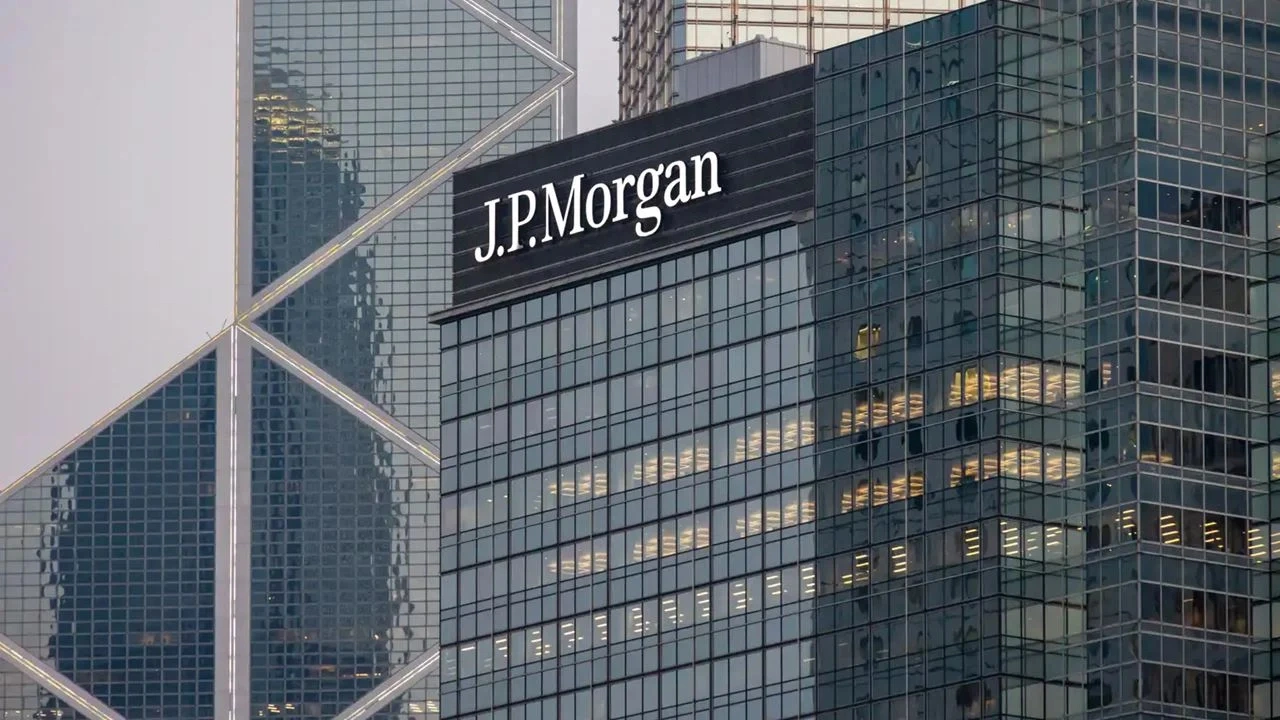
JPMorgan Hires Guggenheim Executive to Boost Mid-Cap Tech Investment Banking

JPMorgan Chase is bolstering its technology investment banking division with the addition of Mike Amez, a senior executive from Guggenheim Securities, according to an internal staff memo reviewed by Reuters. Amez is set to join the bank in September as Head of Mid-Cap Technology Services, based in Chicago.

In the memo, Global Co-Heads of Technology Investment Banking Chris Grose and Greg Mendelson said Amez brings a deep background in IT services, cybersecurity, and cloud infrastructure, with a career focused on building enduring client relationships in the fast-evolving tech landscape. At Guggenheim, he was a Senior Managing Director in its tech investment banking group.

Amez’s appointment is part of JPMorgan’s ongoing expansion of its technology banking franchise, especially targeting medium-sized tech companies, a fast-growing market segment. The hire comes just weeks after the bank added four senior executives from Goldman Sachs, Bank of America, and Lazard to strengthen its West Coast tech banking operations.

Already a dominant force in technology dealmaking, JPMorgan is sharpening its sub-sector expertise to maintain its lead, according to Dealogic data. The bank has recently played a central advisory role in high-profile transactions, including:

  • Global Payments’ $24.25 billion acquisition of Worldpay,

  • Turn/River’s $4.4 billion buyout of SolarWinds,

  • DoorDash’s $3.9 billion takeover of Deliveroo,

  • And CoreWeave’s $23 billion public listing in March.

JPMorgan’s continued investment in specialized talent suggests a clear strategy to deepen market penetration in niche but fast-growing tech verticals, especially as deal activity rebounds in select sectors like AI, cloud, and fintech.