Marks & Spencer Resumes Online Orders After 46-Day Cyberattack Shutdown
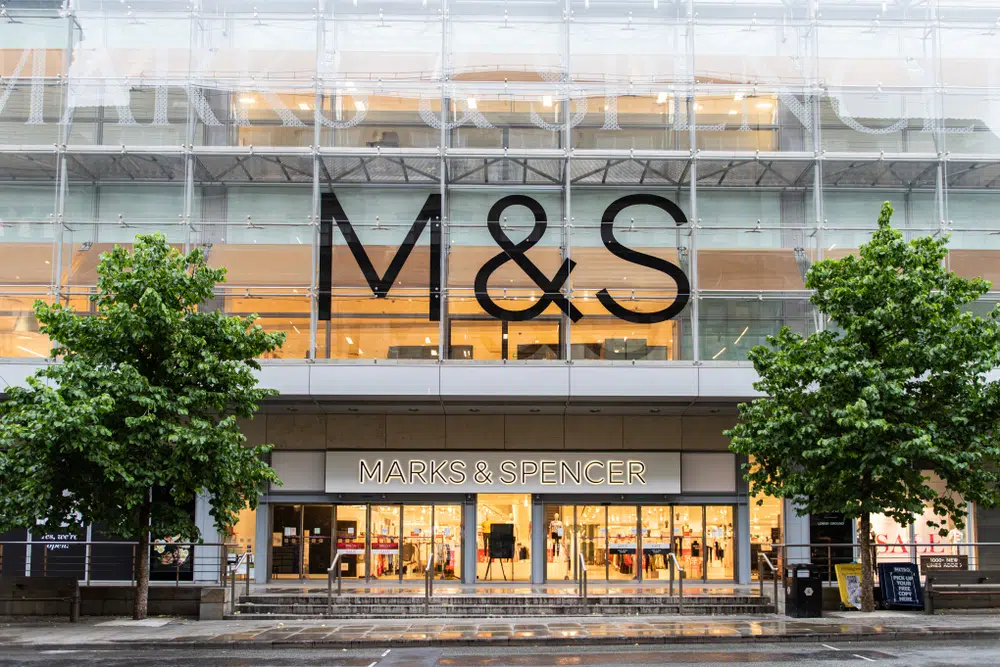
British retailer Marks & Spencer (M&S) has resumed online orders for its clothing range after a 46-day suspension due to a cyberattack. The company’s shares rose 3.5% following the restart of standard home deliveries in England, Scotland, and Wales for most clothing items.
An M&S spokesperson noted that not all products are currently available online, with the initial focus on best-selling and new items. The retailer plans to expand the available product selection daily. Deliveries to Northern Ireland, as well as click-and-collect, next-day, nominated-day, and international delivery services, are expected to resume in the coming weeks.
M&S halted clothing and home orders through its website and app on April 25 after technical issues during the Easter holiday weekend disrupted contactless payments and click-and-collect services. The company had initially disclosed managing a “cyber incident” on April 22.
Last month, M&S projected that online disruptions would continue into July and estimated the financial impact at approximately £300 million ($404 million) in lost operating profit for the 2025/26 financial year. However, the company aims to reduce this loss through insurance claims and cost-cutting measures. The cyberattack also interfered with M&S’s supply chain, hindering its ability to stock stores during a period of high demand driven by warm weather.
Industry analysts anticipate that the upcoming end-of-season sale will feature larger inventories and deeper discounts than usual. Despite Tuesday’s share price recovery, M&S shares remain 9.5% lower since the cyberattack was first reported.
The breach occurred when hackers exploited a vulnerability by deceiving employees at a third-party contractor, allowing them to bypass M&S’s digital security measures. In response, M&S plans to use this incident as an opportunity to accelerate technological upgrades.
In recent weeks, several global retailers have reported similar cyber incidents, including UK grocer the Co-op Group, German sportswear brand Adidas, luxury jeweller Cartier, and U.S. lingerie retailer Victoria’s Secret.