
Yazılar

China Issues New Regulations on Facial Recognition Technology

China’s cyberspace regulator, the Cyberspace Administration of China (CAC), has introduced new regulations governing the use of facial recognition technology, emphasizing that individuals should not be compelled to use facial recognition for identity verification. The move comes in response to growing concerns about data privacy and the widespread deployment of this technology across various sectors.

The new rules, set to take effect in June, stipulate that individuals who do not consent to identity verification via facial recognition should be provided with alternative methods that are reasonable and convenient. This regulation aims to curb practices such as using facial recognition for tasks like hotel check-ins or accessing gated communities, which have become more common in recent years.

The CAC also stresses that companies collecting facial data must obtain explicit consent before processing any information. Although the regulations do not address the use of facial recognition by security authorities, they require that any area where the technology is deployed must display clear signage informing the public.

These regulations are part of broader efforts by China to balance the use of advanced technologies like AI and facial recognition with privacy concerns. Recent surveys have shown widespread public anxiety about the potential misuse of such technology. In response, previous legal measures like the Personal Information Protection Law, which came into effect in November 2021, have mandated stricter controls on the collection and use of personal data.

Europe’s Privacy Watchdogs to Discuss DeepSeek Amid Data Privacy Concerns

European Union data protection authorities are set to discuss concerns surrounding the Chinese artificial intelligence startup DeepSeek during their monthly meeting on Tuesday, according to the meeting agenda. The discussions arise amid growing scrutiny of how DeepSeek handles personal data, especially regarding European users.

DeepSeek made waves globally last month by showcasing its ability to compete with major U.S. tech firms in human-like reasoning technology, while offering services at a significantly lower cost. However, concerns have been raised by several European privacy regulators about whether the company is using personal data from European citizens to train its AI models and if such data could be transferred to China.

The European Data Protection Board (EDPB), based in Brussels, has scheduled a session to address DeepSeek’s activities. During the meeting, national data protection authorities will share information on the actions they’ve taken in response to DeepSeek’s operations. Marie-Laure Denis, president of the French privacy watchdog CNIL, emphasized that the goal of the meeting is to harmonize responses and share insights on how to address privacy risks posed by the company.

The CNIL confirmed that it had reached out to DeepSeek for clarification on how the company’s AI system operates and whether there are any potential privacy risks for users. Ireland’s data protection authority has also sought further information from the Chinese startup. Meanwhile, Italy’s data watchdog has taken more drastic action, ordering DeepSeek to block its chatbot in the country due to non-compliance with privacy concerns over its policy.

Europe has been known for its strong stance on data privacy, with its General Data Protection Regulation (GDPR) considered one of the strictest data protection laws in the world. The scrutiny of DeepSeek highlights the region’s commitment to safeguarding user privacy amid the rapid growth of AI technologies.

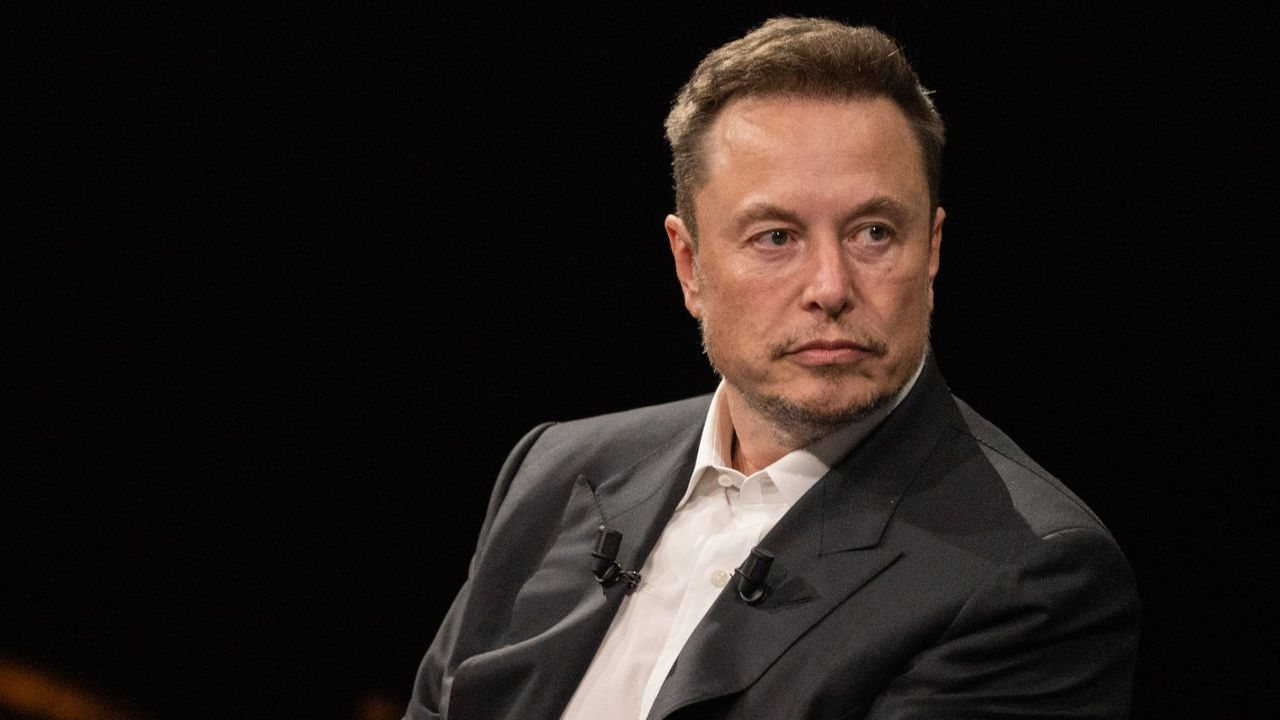
Elon Musk Declines Interest in Purchasing TikTok

Billionaire Elon Musk stated that he has no interest in acquiring TikTok, the popular short-video app that has faced scrutiny in the U.S. due to national security concerns over its Chinese parent company, ByteDance. His remarks were made in late January during a summit hosted by The WELT Group, part of Axel Springer SE, and were released online on Saturday.

Musk’s comments came shortly after U.S. President Donald Trump indicated he would be open to Musk purchasing TikTok. However, Musk emphasized that he has not made any bids for the platform and has no plans for managing TikTok if he were to acquire it. “I don’t use TikTok personally and I’m not familiar with its format,” Musk said, adding that acquiring companies is not his usual approach, as he typically prefers building businesses from the ground up.

This week, TikTok has attempted to bypass restrictions by enabling U.S. Android users to download the app via package kits from its website, as Apple and Google have yet to reinstate TikTok to their app stores following the implementation of a new U.S. law.

The U.S. government has raised concerns that TikTok could potentially share data with the Chinese government, prompting lawmakers to demand the app’s sale or face a ban. While TikTok has denied these allegations, its future remains uncertain.

President Trump, who has signed an executive order to potentially buy TikTok through a sovereign wealth fund, has shown a new interest in the app after previously attempting to block it. Despite past attempts to ban TikTok over security concerns, Trump has more recently expressed a positive view of the app, citing its influence on younger voters.