Yazılar

TikTok Prepares to Shut Down U.S. Operations as Ban Deadline Approaches

TikTok is preparing to shut down its U.S. operations on Sunday, as a federal ban is set to take effect barring its use unless its Chinese parent company, ByteDance, divests the app. This follows a law signed in April mandating a ban on new TikTok downloads and the prohibition of U.S. companies providing services for its distribution or maintenance. Although users who have already downloaded the app could still access it, the law restricts the ability to update or provide services to TikTok starting Sunday.

In response to the imminent shutdown, TikTok plans to display a pop-up message directing users to a website explaining the situation. Additionally, the company will give users the option to download their personal data. Despite the looming deadline, there are discussions around a potential delay. President-elect Donald Trump is reportedly considering issuing an executive order to suspend enforcement of the ban for up to 90 days. This proposal comes as the Biden administration is exploring options to delay the ban, possibly leaving the decision to the incoming president.

The situation remains fluid, with ongoing court deliberations. The U.S. Supreme Court is set to decide whether to uphold or pause the law. If TikTok is banned, it could lead to a broader impact, potentially making the app unavailable in other countries, as U.S.-based service providers play a crucial role in making TikTok accessible worldwide. TikTok has expressed concerns that the ban could make its operations unsustainable, with data centers unable to store the platform’s content and code.

While TikTok works to comply with the law, it has stated that a temporary suspension could allow for a swift restoration of its U.S. services if the ban is reversed later.
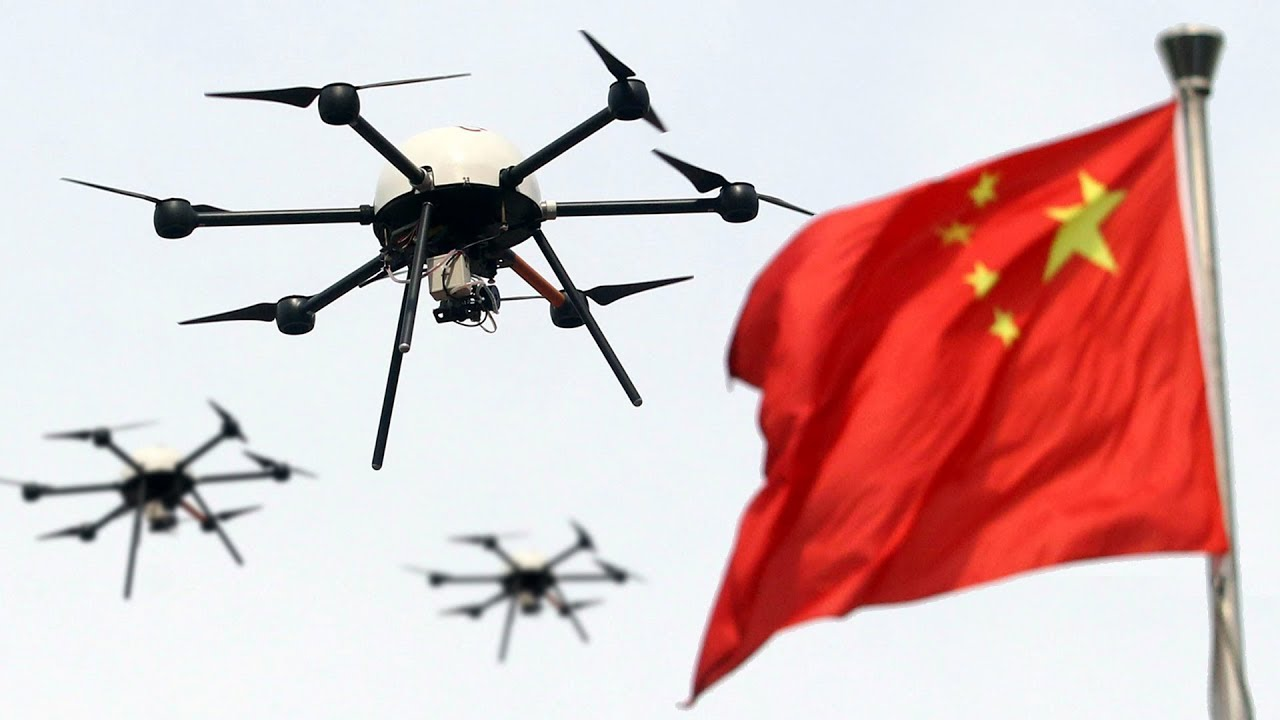
 

US Considers Potential Rules to Restrict or Bar Chinese Drones

The U.S. Commerce Department is exploring new rules that could restrict or ban Chinese-made drones in the United States, citing national security concerns. The department announced on Thursday that it is considering measures to safeguard the U.S. drone supply chain, emphasizing that threats from China and Russia could allow adversaries to remotely access and manipulate these devices, thereby compromising sensitive U.S. data.

China dominates the U.S. commercial drone market, accounting for the majority of sales. In response to these national security concerns, the Commerce Department is seeking public comments on potential rules, with a deadline set for March 4. The proposed regulations could mirror those applied to Chinese vehicles, which may face similar restrictions or bans due to concerns over foreign-made equipment, chips, and software embedded in drones.

Commerce Secretary Gina Raimondo previously indicated that the department could impose restrictions akin to those that would effectively bar Chinese vehicles from U.S. markets. The focus would primarily be on drones containing Chinese or Russian-made components. Raimondo hopes to finalize the regulations on Chinese vehicles by January 20, coinciding with the inauguration of President-elect Donald Trump.

This move follows a series of actions taken by the U.S. government over the past year to address concerns about Chinese drones. Last month, President Joe Biden signed a law that could result in a ban on new models from China-based DJI and Autel Robotics, two of the largest drone manufacturers. Under this law, a U.S. agency must assess whether drones from these companies pose national security risks within a year. If no decision is made, DJI and Autel could be prevented from launching new products in the U.S.

DJI, the world’s largest drone maker, which accounts for more than half of all commercial drones sold in the U.S., has responded by warning that an inability to launch new products would hurt its business. The company has also taken legal action, suing the U.S. Department of Defense for designating it as a company with ties to China’s military. DJI denies these claims and has asserted that its products do not involve forced labor, despite Customs and Border Protection halting some of its drone imports under the Uyghur Forced Labor Prevention Act.

U.S. lawmakers have repeatedly expressed concerns about the potential risks posed by Chinese-made drones, citing data transmission vulnerabilities and surveillance issues. In 2019, Congress passed a law banning the Pentagon from using drones or components manufactured in China.


Apple to Pay $95 Million to Settle Siri Privacy Lawsuit

Apple Inc. has agreed to pay $95 million to settle a class-action lawsuit alleging its Siri voice assistant violated users’ privacy by unintentionally recording private conversations and sharing them with third parties, such as advertisers.

The preliminary settlement was filed on Tuesday in the federal court in Oakland, California, and awaits approval from U.S. District Judge Jeffrey White. Plaintiffs in the case claimed that Siri routinely recorded conversations without users’ consent when triggered unintentionally by “hot words” like “Hey, Siri.”

Allegations and Examples

Users reported that these unauthorized recordings led to targeted ads. For instance, two plaintiffs said discussions about Air Jordan sneakers and Olive Garden resulted in related advertisements. Another claimed to have received ads for a surgical treatment after discussing it privately with a doctor.

The class-action period covers Siri-enabled devices purchased between September 17, 2014, and December 31, 2024, beginning with the rollout of the “Hey, Siri” feature.

Settlement Details

Tens of millions of users are eligible for compensation, with potential payouts of up to $20 per device, including iPhones and Apple Watches. Apple has denied any wrongdoing but agreed to the settlement to resolve the claims.

The plaintiffs’ lawyers may request up to $28.5 million in legal fees and $1.1 million for expenses from the settlement fund.

Apple has not yet commented on the settlement.

Context and Broader Implications

The $95 million settlement represents about nine hours of profit for Apple, which reported a net income of $93.74 billion in its most recent fiscal year.

This lawsuit follows a trend of scrutiny over voice-activated assistants and user privacy. A similar case is pending against Google for its Voice Assistant, filed in the same judicial district as the Apple case. Both lawsuits are being handled by the same legal teams.

The case against Apple is Lopez et al. v. Apple Inc., U.S. District Court, Northern District of California, No. 19-04577.