US Agencies to Brief House on Chinese “Salt Typhoon” Telecom Hacking
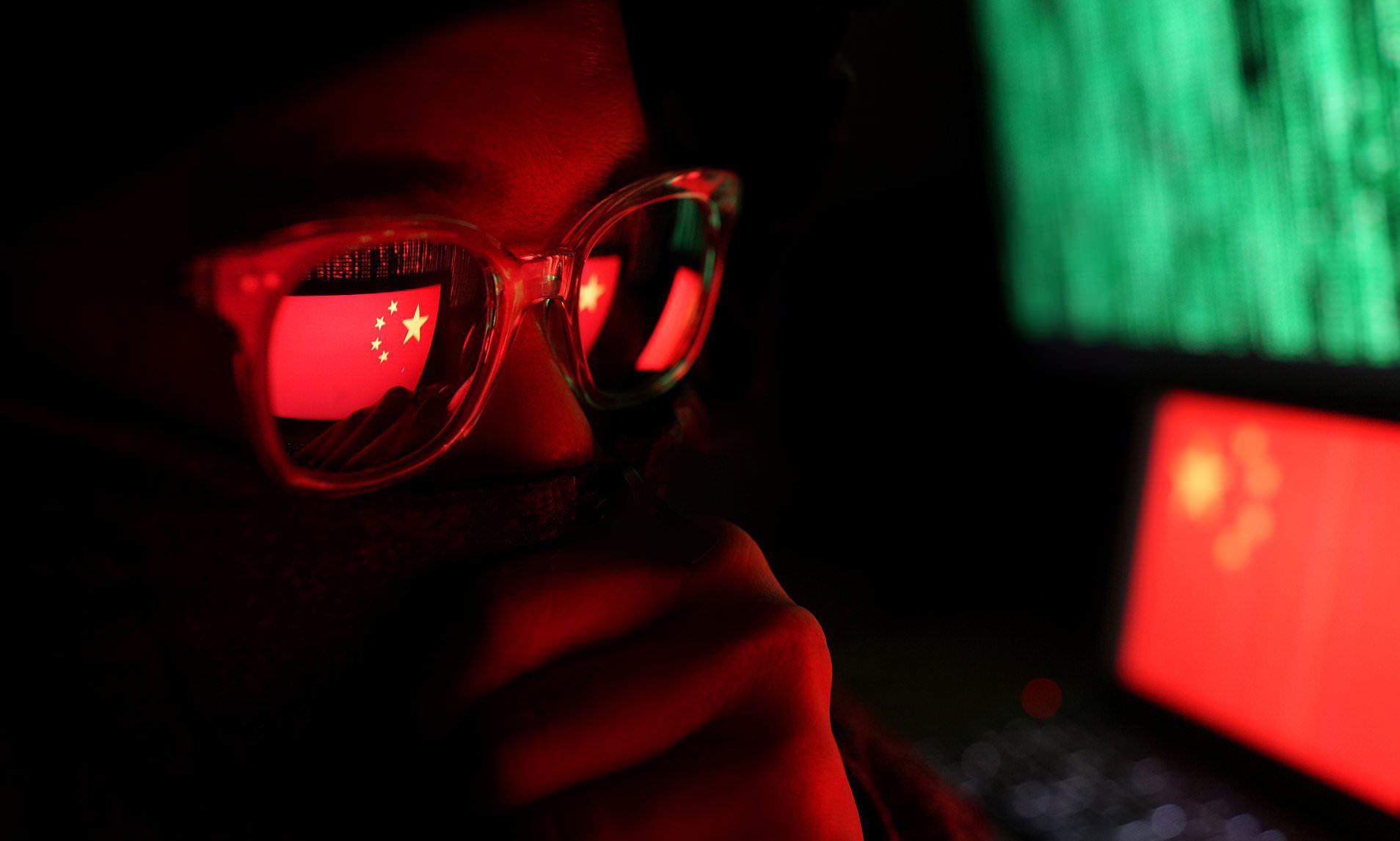
U.S. government agencies are set to hold a classified briefing on Tuesday for the House of Representatives regarding China’s alleged cyber espionage campaign, known as “Salt Typhoon.” The operation reportedly targeted American telecommunications companies, attempting to steal sensitive data, including metadata about U.S. calls.
The briefing, scheduled for 2:15 p.m. ET, will involve key agencies such as the FBI, the Office of the Director of National Intelligence, the Federal Communications Commission (FCC), the National Security Council, and the Cybersecurity and Infrastructure Security Agency (CISA). This session follows a similar briefing last week for senators.
Details on the Breach
The White House recently revealed that at least eight U.S. telecommunications companies and telecom infrastructure firms had been impacted by the Salt Typhoon campaign. A significant amount of metadata related to U.S. communications was reportedly stolen.
While Chinese officials have denied the allegations, calling them disinformation, there is growing concern within the U.S. government over the scale of the breach and its implications for national security and privacy.
Legislative and Regulatory Responses
Senator Ron Wyden has indicated he is working on draft legislation in response to the breach, while Senator Bob Casey expressed concerns about the timing of Congressional action, noting that a resolution might not come until next year.
Additionally, a Senate Commerce subcommittee will hold a hearing on Wednesday to examine how security threats, like Salt Typhoon, pose risks to communication networks and review industry best practices. Tim Donovan, CEO of the Competitive Carriers Association, is scheduled to participate in the hearing.
Security Concerns and Industry Impact
Senator Richard Blumenthal emphasized the alarming scope of Chinese hacking into U.S. telecom networks, describing it as “mind-boggling” and expressing deep concern about the lack of assurances for the public. The hacking campaign reportedly targeted major telecom companies, including Verizon, AT&T, and Lumen, extracting sensitive data like telephone audio intercepts and call records.
Looking Ahead
The Salt Typhoon breach has sparked debates about cybersecurity readiness and the need for stronger protections against foreign cyber espionage. U.S. lawmakers and regulators are under pressure to address vulnerabilities in the telecommunications infrastructure and reassure the public on the measures being taken to secure their communications.