Yazılar

Meta Tests Its First In-House AI Training Chip

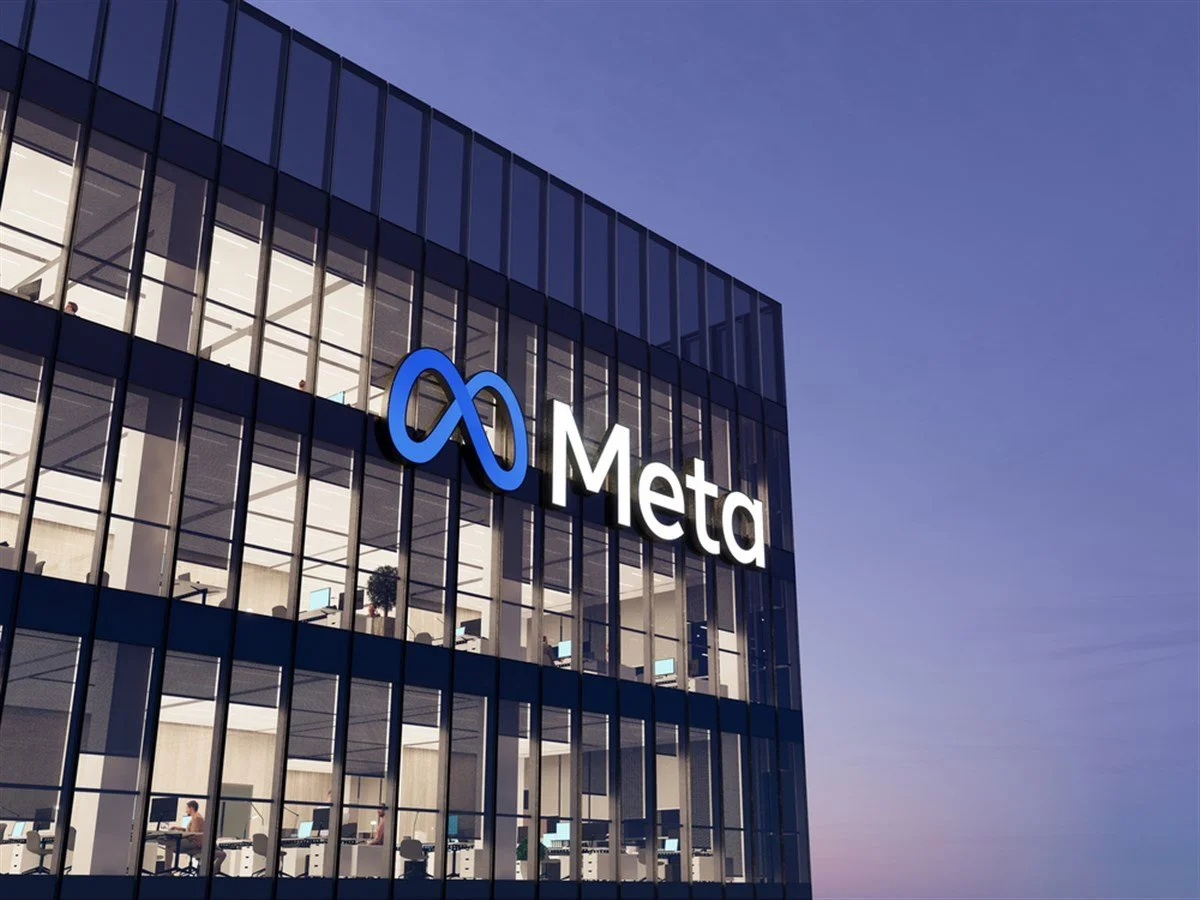
Meta, the parent company of Facebook, has initiated testing of its first in-house chip designed specifically for training artificial intelligence (AI) systems. This development marks a significant step in Meta’s plan to reduce its reliance on external chip suppliers like Nvidia and move toward producing its own custom silicon. Sources told Reuters that Meta has begun a small deployment of the chip and plans to expand production if the test proves successful.

Meta’s push to develop in-house chips is part of a broader strategy to reduce the high infrastructure costs associated with its AI projects. The company has forecast total 2025 expenses between $114 billion and $119 billion, including up to $65 billion in capital expenditure largely driven by investments in AI infrastructure.

The new chip is a dedicated accelerator, meaning it is built specifically for AI tasks, making it more power-efficient compared to graphics processing units (GPUs) typically used for AI workloads. Meta is collaborating with Taiwan-based TSMC to produce the chip. The initial design, known as the “tape-out,” has been completed, a crucial milestone in chip development. While tape-out is expensive, costing tens of millions of dollars, it is an essential part of the process to test the chip’s functionality.

Meta has experienced setbacks in its Meta Training and Inference Accelerator (MTIA) series in the past, even scrapping one chip after its initial tests failed. However, last year, Meta began using a MTIA inference chip for content recommendation systems on platforms like Facebook and Instagram. This progress has encouraged Meta to pursue further development of custom chips, aiming to use them for both training and inference of AI models, including generative AI products like Meta AI.

Meta plans to start using its own chips by 2026 for training purposes, aiming to reduce costs associated with AI model training. Chris Cox, Meta’s Chief Product Officer, discussed the company’s phased approach, noting that while progress has been slow, the success of the first-generation inference chip for recommendations has been a significant achievement. Despite the setbacks in developing custom chips, Meta continues to rely heavily on Nvidia’s GPUs for its AI needs, making it one of Nvidia’s largest customers.

The broader AI industry has raised questions about the effectiveness of scaling up large language models with ever more data and computing power. Chinese startup DeepSeek has introduced new, more efficient AI models that rely more heavily on inference rather than the computationally expensive training process. This has sparked concerns about the future value of GPUs like those from Nvidia, which have faced significant market volatility this year.

China’s Manus AI Forms Strategic Partnership with Alibaba’s Qwen Team

On Tuesday, Manus AI announced a strategic partnership with the team behind Alibaba’s Qwen AI models, a move aimed at strengthening the artificial intelligence start-up’s goal of deploying the world’s first general AI agent. Unlike traditional chatbots, which respond to user inputs, an AI agent can operate autonomously, executing tasks with minimal human intervention.

Manus AI, which officially launched last week, claimed that its performance surpasses that of OpenAI’s DeepResearch, a popular AI agent. The launch garnered significant attention on Chinese social media, with many comparing Manus AI to DeepSeek, a product by the Hangzhou-based creators of DeepSeek, which surprised Silicon Valley with a cost-effective AI chatbot that rivaled OpenAI’s best.

The partnership with Qwen could create further disruption in the AI industry, which is still reeling from DeepSeek’s emergence. Manus AI, which is part of Beijing Butterfly Effect Technology Ltd Co with offices in Beijing and Wuhan, has been promoting its product by completing various tasks for users for free on the social media platform X. However, the AI agent remains available by invitation only, and the company has admitted that its website is facing technical difficulties due to increased traffic.

The collaboration with Alibaba’s Qwen team is expected to help Manus AI handle the traffic surge and expand its user base. Meanwhile, Alibaba aims to enhance its competitiveness against rivals such as DeepSeek. The two companies plan to integrate Manus AI’s functions with Qwen’s open-source models and AI platforms in China, as announced on Weibo.

A spokesperson for Alibaba confirmed the partnership and expressed enthusiasm about collaborating with more global AI innovators. The Qwen team had previously responded to DeepSeek’s global success by releasing a model they claimed surpassed DeepSeek-V3, further intensifying the competition in the AI space.

US Government Likely to Ban Chinese AI App DeepSeek Over Security Concerns

The Trump administration is reportedly moving towards a ban on the Chinese AI chatbot DeepSeek from U.S. government devices due to national security concerns, according to a Wall Street Journal report on Friday. Sources familiar with the matter have said that U.S. officials are worried about how DeepSeek handles user data, especially since the company stores this data on servers based in China.

The discussions about restricting DeepSeek are still in the early stages, but the administration is considering banning the app from U.S. app stores and placing limits on how American cloud service providers can offer DeepSeek’s AI models to their customers. These concerns have emerged as the app’s entry into the market has raised alarms about its potential to disrupt the current AI landscape.

DeepSeek’s low-cost AI models have already caused significant volatility in global equity markets, with investors worried that the company’s technology could threaten the dominance of existing AI leaders. The growing scrutiny of the app adds to the broader U.S. government’s ongoing efforts to monitor and regulate foreign technology companies, especially those with ties to China.