OpenAI CEO Sam Altman to Visit Abu Dhabi for Fundraising Talks with MGX
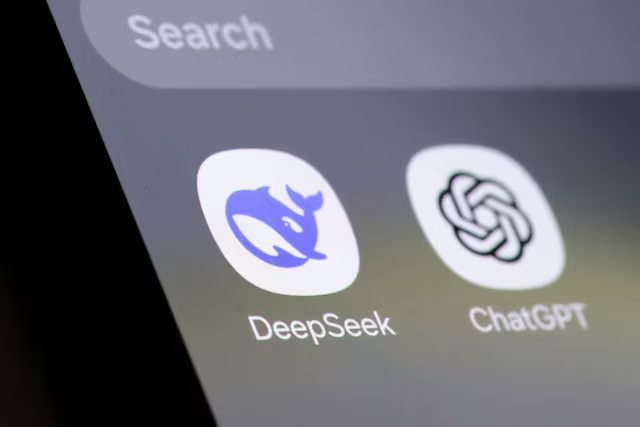
Sam Altman, CEO of OpenAI, is set to visit the United Arab Emirates this week to engage in fundraising discussions with the Abu Dhabi-based investment group MGX. Sources familiar with the matter confirmed that the meetings will center on raising funds for OpenAI’s ambitious model development and infrastructure project, Stargate. The company is seeking about $40 billion to fuel its growth amid increasing competition from cheaper AI alternatives like China’s DeepSeek.
MGX was involved in OpenAI’s previous funding round, which raised $6.6 billion in October. Known for its growing presence in the U.S. AI landscape, MGX has invested in companies such as xAI and Databricks. The firm was not immediately available for comment on Altman’s upcoming visit.
This trip follows a series of discussions in Asia, including an announcement of a new AI services partnership with Japan’s SoftBank. As the UAE pushes to become a leader in AI, it faces increasing competition from regional neighbors like Qatar and Saudi Arabia. In December, UAE President Sheikh Mohamed bin Zayed Al Nahyan emphasized AI as a key priority during his visit to Washington.
In addition to the talks with MGX, Altman is also navigating partnerships for OpenAI’s Stargate initiative, a joint venture involving OpenAI, SoftBank, and Oracle, with MGX participating. The venture aims to invest up to $500 billion over the next four years in server infrastructure to support AI development.
Altman’s visit to India earlier this week included discussions on building a low-cost AI ecosystem, further highlighting OpenAI’s global strategy. While the company has seen rapid growth—reaching over 300 million weekly active users in two years—competition from cost-effective AI models, such as DeepSeek, poses a new challenge. OpenAI is part-owned by Microsoft, which also plays a role in its expanding AI ventures.
The UAE’s AI push is largely driven by state-backed companies G42 and MGX, with the Mubadala wealth fund serving as a key partner. However, there are concerns in the U.S. about the UAE’s growing ties with China, particularly regarding the potential sharing of U.S. technology.