Yazılar

Musk, Ramaswamy Aim to Curb Federal Agency Power Using Supreme Court Precedents

Leaning on Landmark Rulings

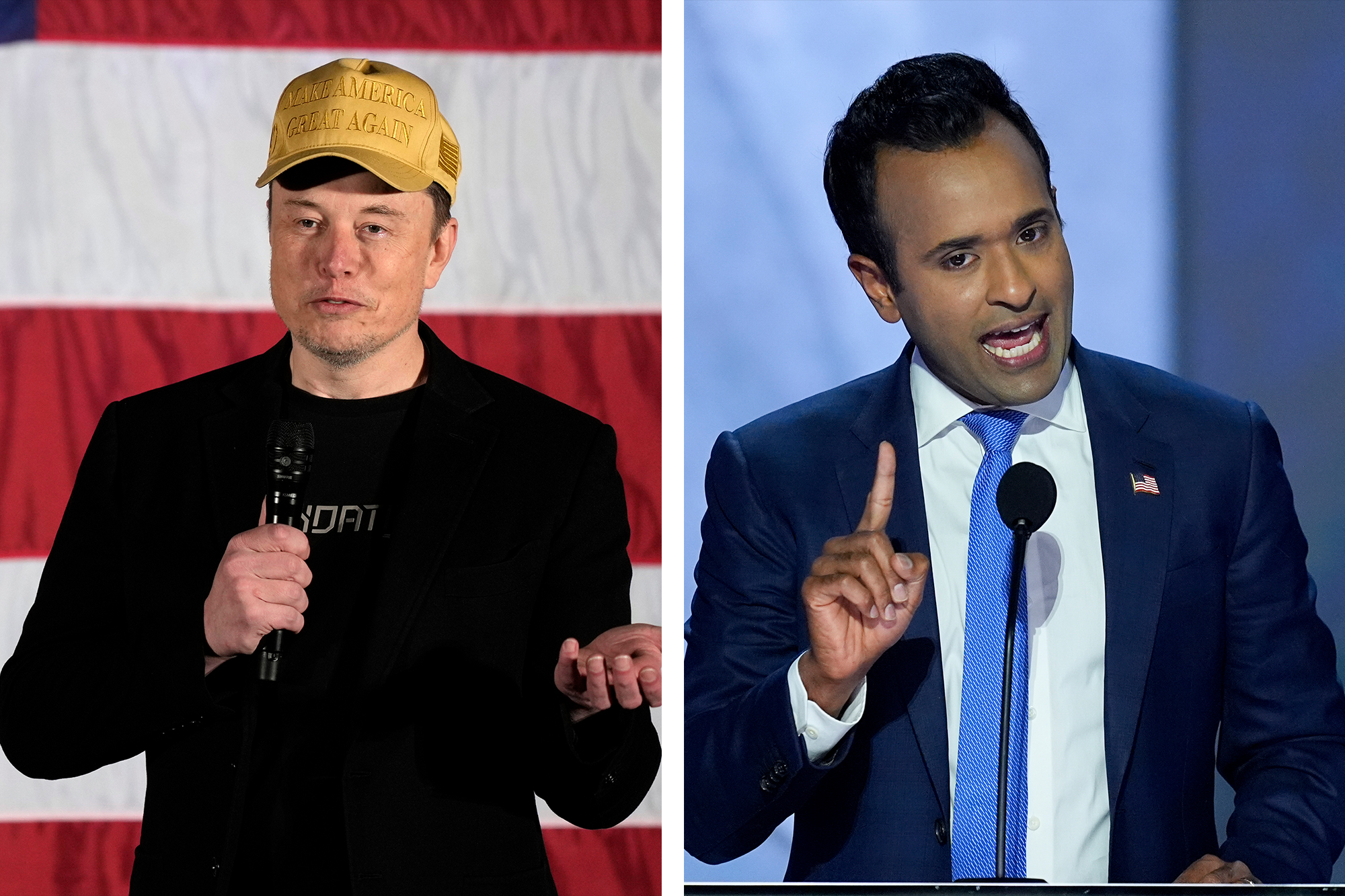
Elon Musk and Vivek Ramaswamy, leaders of the newly formed Department of Government Efficiency (DOGE), announced plans to leverage recent Supreme Court decisions to reduce federal regulatory power. In a Wall Street Journal op-ed on Wednesday, they highlighted their intent to target what they describe as unnecessary, costly, and inefficient regulations.

The effort is rooted in the Supreme Court rulings in West Virginia v. EPA (2022) and Loper Bright v. Raimondo (2023), which curbed federal agencies’ ability to act without explicit Congressional authorization. Musk and Ramaswamy claim many current regulations exceed the legislative powers granted by Congress and argue the rulings provide a blueprint for dismantling overreach.


Partnership with Trump Administration

President-elect Donald Trump tapped Musk, the billionaire CEO of Tesla and SpaceX, and Ramaswamy, a biotech entrepreneur and former presidential candidate, to lead DOGE. They aim to identify regulations that could be suspended via executive action, allowing time for their review and potential repeal.

The duo emphasized their collaboration with Trump’s transition team to recruit a cadre of “small-government crusaders” tasked with reforming federal governance. These efforts will be coordinated with the White House Office of Management and Budget (OMB).


Strategic Focus

DOGE plans to focus on regulations across various sectors, targeting rules they believe stifle innovation and economic growth. Musk and Ramaswamy view the current conservative 6-3 Supreme Court majority as an opportunity to implement structural downsizing of federal agencies.

They argue that the initiative aligns with what they interpret as a public mandate for reducing government overreach. “This electoral moment presents a unique opportunity to modernize governance by eliminating burdensome regulations that hamper progress,” they wrote.


Criticism and Challenges

While the plan has drawn support from deregulation advocates, critics warn it could undermine critical protections related to health, safety, and the environment. Legal experts also anticipate challenges to sweeping regulatory rollbacks, potentially leading to protracted court battles.

Observers highlight that balancing deregulation with public accountability and governance effectiveness will be a key test for DOGE’s approach.


Looking Ahead

As DOGE prepares its list of regulations for President Trump’s review, the agency’s impact will depend heavily on its ability to navigate legal, political, and public scrutiny. With Musk and Ramaswamy at the helm, the initiative underscores a broader push to redefine federal oversight in favor of private-sector-led innovation and efficiency.
Wall Street Reaches Record Highs Following Trump’s Presidential Election Win

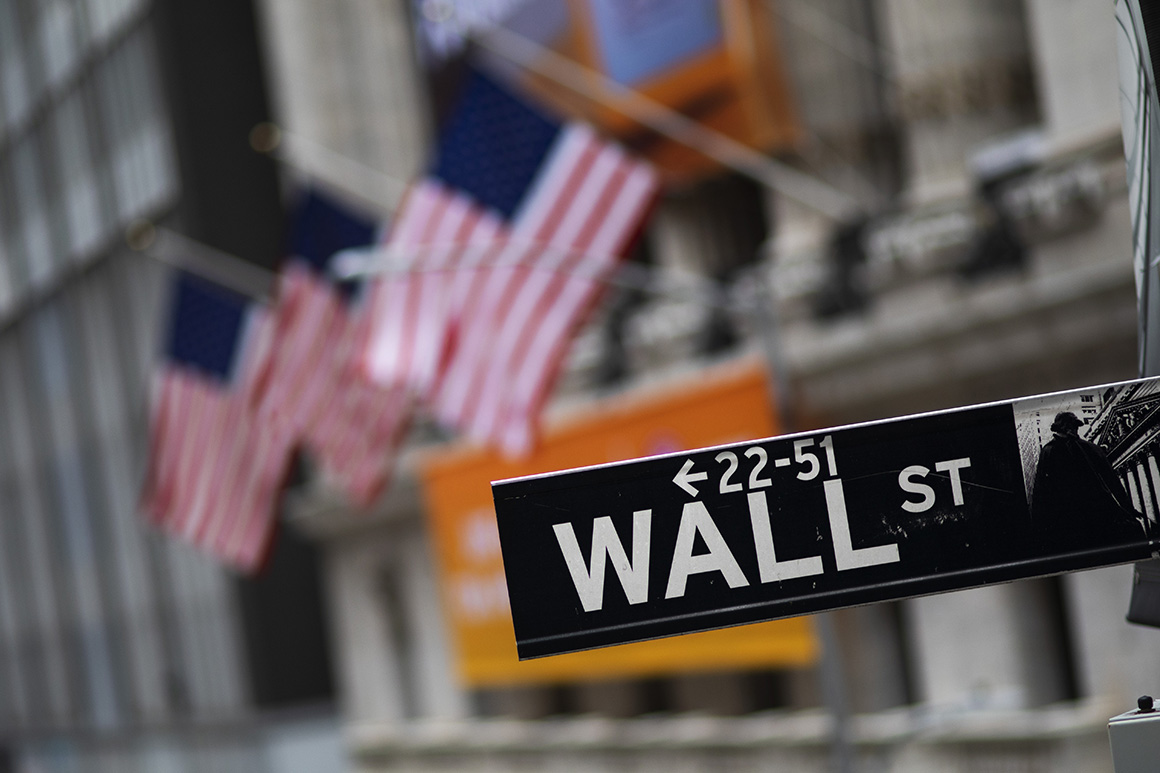
Wall Street surged to record levels on Wednesday as Donald Trump’s election victory propelled key U.S. market indexes higher. In a comeback that restores him to the White House four years after his first term ended, Trump’s win sparked optimism for tax cuts and deregulation, although market watchers noted potential challenges from possible tariff hikes, which could drive up inflation and the federal deficit.

Trump’s victory spurred a rally in “Trump trades,” with U.S. Treasury yields rising, the dollar strengthening, and Bitcoin hitting a record high. “The market response indicates that a Trump victory was not fully priced in, reflecting an extension of the ‘Trump trade’ that assumes Republicans will control both the House and Senate,” noted Candice Bangsund, a portfolio manager at Fiera Capital.

Domestic-focused stocks surged on the news, especially in the small-cap Russell 2000 index, which jumped 4.7% to a nearly three-year high. Small-cap stocks are expected to benefit from lower regulatory burdens, favorable tax policies, and minimal exposure to potential import tariffs. “Small caps are poised for a strong catch-up trade over the next 6-12 months,” said Sean Gallagher, Lazard’s global head of Small Cap Equity.

The market volatility index (VIX) dropped nearly five points, reaching its lowest level since September, as investors embraced the likelihood of a stable policy environment.

In individual market performance, the Dow Jones Industrial Average rose 1,345 points (3.19%) to reach 43,566.98, the S&P 500 climbed by 120.78 points (2.1%) to 5,903.45, and the Nasdaq Composite rose 436.48 points (2.37%) to 18,875.65. Financials led the S&P 500’s gains with a 5.5% surge, while the KBW Bank Index recorded its best day in four years. Energy, Industrials, and Consumer Discretionary sectors each gained around 3%, while rate-sensitive sectors like Real Estate and Utilities saw declines due to concerns that Trump’s policies might increase inflation, reducing the likelihood of future rate cuts—a significant driver of recent rallies.

The Federal Reserve is anticipated to reduce interest rates by 25 basis points on Thursday. However, with Trump’s policies expected to increase inflationary pressure, traders have begun lowering their expectations for additional rate cuts next year. Bangsund commented, “The sharp rise in Treasury yields may weigh on stock valuations.”

Stocks projected to benefit under Trump’s second term posted strong gains, including Trump Media & Technology Group, which rose 9.3%. Tesla also jumped 14%, likely influenced by Elon Musk’s vocal support for Trump’s campaign. Gains extended to cryptocurrency companies, energy stocks, and prison operators, while renewable energy stocks experienced declines.

Attention has now turned to whether Republicans will retain their newly gained majority in the Senate and potentially secure the House of Representatives, an outcome that could further shape the market’s trajectory over the next four years.