Yazılar

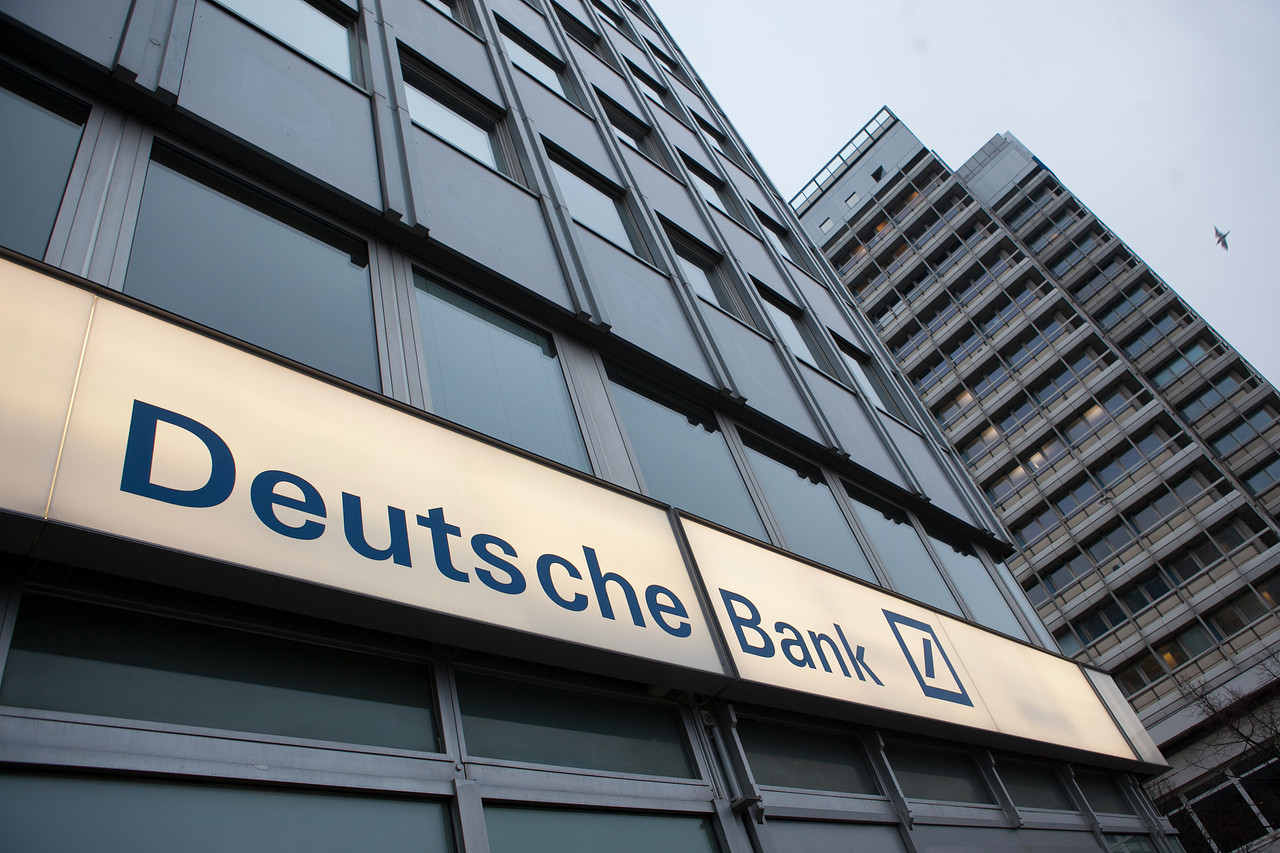
German Court Rules Against Deutsche Bank in Postbank Acquisition Lawsuit

A Cologne higher regional court ruled against Deutsche Bank on Wednesday in a protracted legal battle with shareholders, who argued that the bank underpaid for its acquisition of Postbank. The court’s decision adds to the ongoing challenges facing Deutsche Bank related to this significant transaction.

Background of the Case

The lawsuit involved 13 plaintiffs, former shareholders of Deutsche Postbank, who contended that the acquisition price of 25 euros ($27) per share, paid in 2010, was insufficient. They argued that Postbank was worth more than the amount Deutsche Bank paid, claiming they should have received 57.25 euros per share—the price of Deutsche Bank’s initial 30% stake in Postbank, which occurred just before the collapse of Lehman Brothers and the onset of the global financial crisis.

The full merger between Deutsche Bank and Postbank was finalized in 2018, but legal complications surrounding the acquisition have persisted, impacting Deutsche Bank’s financial outlook.

Financial Impact

The ongoing litigation has weighed heavily on Deutsche Bank’s performance, particularly as recently as the second quarter, when the lender reported a loss of 143 million euros after setting aside 1.3 billion euros related to the Postbank lawsuit. In August, Deutsche Bank managed to reach settlements with nearly 60% of the plaintiffs involved in the case.

On the same day as the court ruling, Deutsche Bank reported a release of 440 million euros in litigation provisions for the third quarter. This release contributed to a better-than-expected net profit attributable to shareholders of 1.46 billion euros ($1.58 billion) during the period.

Next Steps for Deutsche Bank

Following the court’s ruling, Deutsche Bank announced it would assess the judgment, noting that it had already set aside provisions for all outstanding claims from the plaintiffs, including any accrued interest. A spokesperson for the bank mentioned that the court did not permit an appeal to the German Federal Court. However, Deutsche Bank is considering filing a non-admission complaint (a motion for leave to appeal) once it receives the written reasoning for the court’s decision.

In response to the news, shares of Deutsche Bank fell 2.3% as of 10:58 a.m. London time.

Conclusion

This ruling marks another chapter in the ongoing legal struggles for Deutsche Bank concerning its acquisition of Postbank. The bank will need to navigate this ruling while managing its financial performance and shareholder expectations in the coming months.
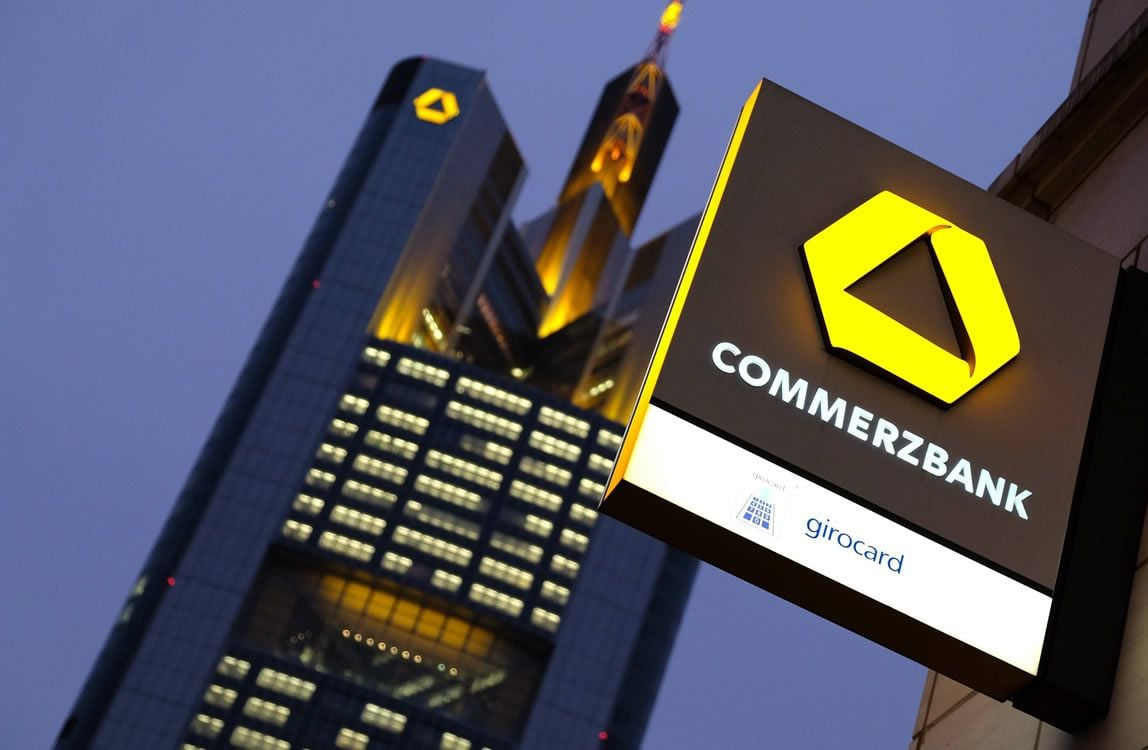
What UniCredit’s Acquisition of Commerzbank Could Mean for the Banking Sector

UniCredit’s recent acquisition of a 9% stake in German lender Commerzbank has sparked discussions about a potential cross-border merger and its broader implications for the European banking industry. UniCredit CEO Andrea Orcel has signaled interest in further expanding the Italian bank’s presence in Germany, either through more acquisitions or a merger with Commerzbank, although the German lender has been cautious in its response.

The move comes after the German government, which owns a significant stake in Commerzbank following a bailout during the 2008 financial crisis, sold part of its shares to UniCredit. The market reacted positively, with Commerzbank shares surging 20% after the announcement. Analysts have noted that this acquisition could encourage further consolidation in the fragmented European banking sector, which has lagged behind the U.S. in terms of mergers due to regulatory and structural barriers.

Investors see the deal as a strategic fit for UniCredit, given the geographical and financial synergies between the two banks. Commerzbank operates in both Germany and Poland, markets where UniCredit is keen to expand. Analysts from UBS believe that the acquisition is collaborative, giving Commerzbank the upper hand in determining the next steps.

A merger could enhance UniCredit’s market share, especially as Commerzbank’s current low valuation presents a timely opportunity for expansion. However, while there is strategic merit in the merger, some experts warn that immediate financial gains might be limited due to potential risks associated with cross-border deals.

From a sector-wide perspective, UniCredit’s stake in Commerzbank could pave the way for more cross-border consolidation in Europe, a move that many regulators, including French President Emmanuel Macron, have advocated. Germany’s fragmented banking sector, which still accounts for nearly half of the euro zone’s banks, could particularly benefit from consolidation efforts. However, regulatory challenges remain a major obstacle to such deals.

Despite Deutsche Bank’s past interest in acquiring Commerzbank, analysts believe it is unlikely to make a counteroffer, as its financial position is weaker than UniCredit’s. Deutsche Bank may instead pursue other acquisition targets, such as ABN Amro in the Netherlands.

As the banking sector awaits further developments, Commerzbank’s supervisory board is expected to meet to discuss UniCredit’s stake. Commerzbank CEO Manfred Knof, who recently announced he would not extend his contract beyond 2025, will be key to determining the bank’s response to UniCredit’s advances.