Yazılar

U.S. Seeks Breakup of Google’s Ad-Tech Business After Judge Finds Illegal Monopoly

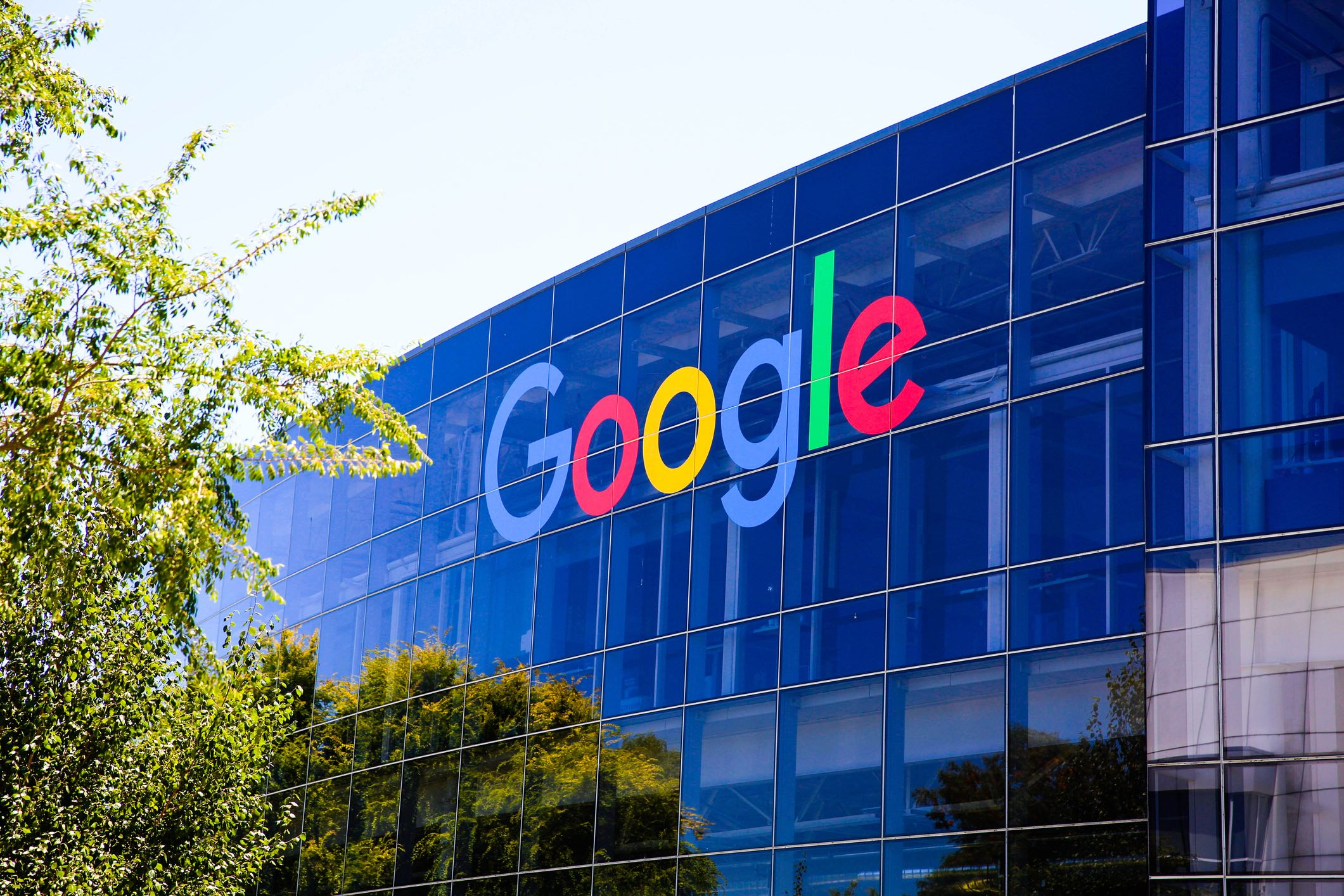
The U.S. Department of Justice (DOJ) is pushing to break up Google’s advertising technology empire, proposing that the tech giant be forced to sell its AdX ad exchange and DFP publisher ad-server platform following a federal judge’s ruling that Google illegally monopolized the online ad-tech market.

In a court filing late Monday, the DOJ stated that such divestitures are essential to restore fair competition in the ad-exchange and publisher ad-serving sectors, where Google — a subsidiary of Alphabet Inc. — has long held dominant positions.

U.S. District Judge Leonie Brinkema ruled last month that Google had willfully acquired and maintained monopoly power” in both markets. The case marks another major legal setback for Google, coming after a separate ruling last year found the company guilty of maintaining an illegal monopoly in online search.

A September trial date has been scheduled to determine final remedies. While Google has said it is open to behavioral changes, such as giving competitors access to real-time bidding data, the company opposes any forced divestitures, arguing such a move lacks legal standing and would hurt advertisers and publishers alike.

This goes well beyond the Court’s findings,” said Lee-Anne Mulholland, Google’s VP of Regulatory Affairs. “It would harm publishers and advertisers, and has no basis in law.”

AdX (Ad Exchange) is Google’s real-time ad marketplace, while DFP (DoubleClick for Publishers) is used to manage and deliver ads on websites. Together, they are key tools that allow digital publishers to monetize their content, and their dominance has drawn increasing antitrust scrutiny.

In Europe, Google previously offered to sell AdX to settle an EU investigation, but publishers rejected the offer, calling it inadequate.

Alphabet’s shares fell 1.1% in premarket trading on Tuesday following the DOJ’s filing.

Publicis Acquires Lotame, Doubles Consumer Reach to 4 Billion

Publicis, the French advertising powerhouse, has announced an agreement to acquire data and ID technology group Lotame, with plans to integrate it into its targeted marketing division, Epsilon. This acquisition is set to significantly enhance Publicis’ technological capabilities in the ever-evolving digital advertising sector, effectively doubling its individual consumer profiles to 4 billion from 2.3 billion.

While the financial terms of the deal were not disclosed, Publicis CEO Arthur Sadoun emphasized the strategic importance of data and technology, noting that the company has invested $1.5 billion in these areas over the past six months. In addition, Publicis plans to allocate between 800 million and 900 million euros ($864.6-$972.6 million) this year for future acquisitions in the technology and proprietary data sectors.

“AI is nothing without data,” Sadoun highlighted, showcasing the power of their 25,000 engineers and CoreAI system. This technology allows Publicis to track individual digital footprints, predicting and influencing consumer behavior across all screens and platforms globally. The system can even identify financial strain in consumers, instantly adjusting advertising to promote budget-friendly alternatives.

The acquisition of Lotame will enable Publicis to engage with 91% of all adult internet users, further solidifying its position as a leader in the digital advertising space.

The acquisition comes after a decade-long, 12 billion euro transformation that has seen Publicis leverage AI and big data to become the world’s largest advertising firm. With competitors like Omnicom and Interpublic set to merge, creating a $25 billion revenue entity, Publicis is keen to stay ahead in the competitive advertising landscape.

As personalisation becomes a growing priority for clients, Publicis is poised to continue its market growth, with an organic growth forecast of 4%-5% for 2024. In contrast, British rival WPP is expecting flat revenue and profit growth, with its stock hitting a four-year low after disappointing results.

Google Tests AI-Only Version of Search Engine with New “AI Mode”

Google has launched an experimental version of its search engine that removes the traditional 10 blue links in favor of AI-generated summaries. This new feature, available to subscribers of Google One AI Premium, can be accessed by clicking on a tab labeled “AI Mode” alongside options like Images and Maps.

Robby Stein, Vice President of Product at Google, explained that the company had received feedback from power users who wanted AI responses for a broader range of searches. Google One AI Premium is a $19.99 per month subscription that offers additional cloud storage and access to exclusive AI features.

In its ongoing push to integrate AI into search, Google has introduced AI Overviews, which provide summaries of search results above the usual links to webpages. These Overviews are already available in over 100 countries, and last year, Google began incorporating ads into these AI summaries.

With AI Mode, the company takes this a step further by offering more detailed AI summaries with links to the sources. The traditional blue links are replaced by a search bar, allowing users to ask follow-up questions. Powered by Google’s custom Gemini 2.0 model, AI Mode is designed with advanced reasoning capabilities, making it more adept at handling complex queries.

This new development represents a significant move for Google, as it faces increased competition from Microsoft-backed OpenAI, which introduced search functions in ChatGPT last October. AI-driven search is now a major area of focus for Google, with Alphabet’s 2024 revenue—mostly driven by search-related advertising—under threat from emerging AI competitors.

However, the shift to AI-powered search has raised concerns. In February, educational technology company Chegg filed a lawsuit against Google, accusing the AI previews of diminishing the demand for original content and harming publishers’ ability to compete.