Yazılar

Sberbank CEO Questions Benefits of Russia’s Digital Rouble Initiative

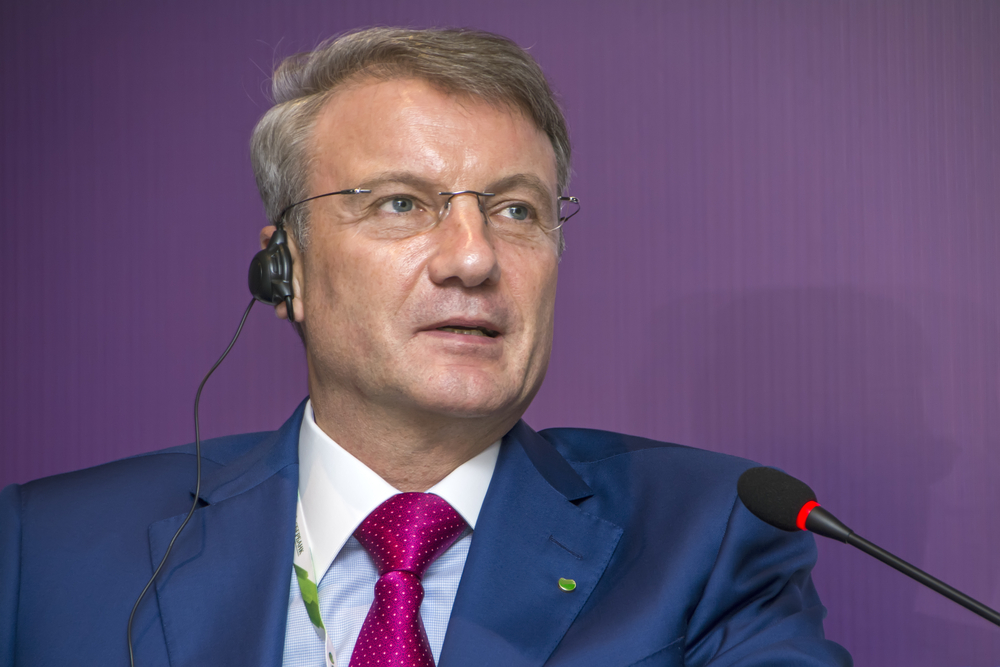
German Gref, CEO of Russia’s largest lender Sberbank, expressed skepticism on Wednesday about the potential advantages of Russia’s digital rouble project, aside from possible benefits in cross-border settlements. Speaking at a financial forum in St Petersburg, Gref said he did not personally see the need for digital roubles and was uncertain how they would significantly improve Russia’s financial system.

The Bank of Russia recently announced that from September 1, 2026, Russian banks will be required to enable customers to make payments using digital roubles, with the project’s launch delayed by more than a year. The initiative is part of a global trend, with over 130 countries exploring digital currencies as they adapt to declining cash usage and challenges posed by cryptocurrencies like Bitcoin.

Moscow hopes the digital rouble will ease foreign trade payments complicated by Western sanctions linked to the Ukraine conflict. However, Gref highlighted that Russian banks already have advanced digital payment capabilities and reiterated his view that the digital rouble is unlikely to transform the domestic economy. While he acknowledged a potential role for the digital currency in international transactions, he sees no clear domestic advantage at present.
Stablecoins Drive Volatility in Brazilian Capital Flows, Warns Central Bank

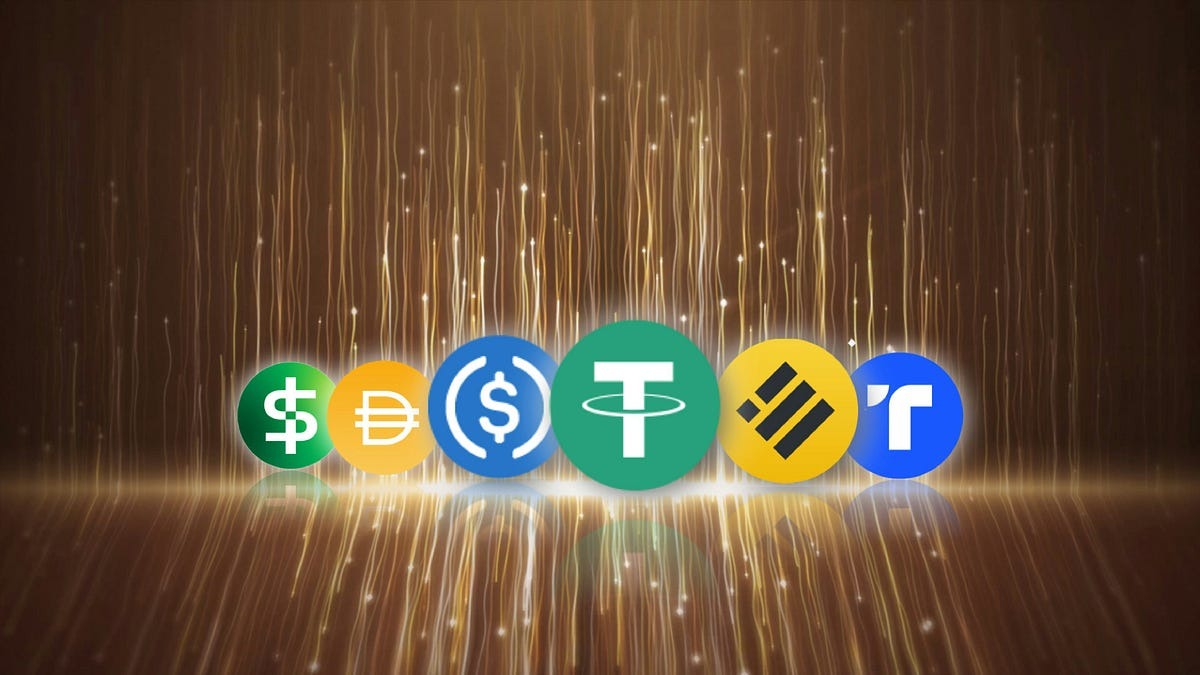
Brazil’s central bank has raised concerns over the increasing use of U.S. dollar-backed stablecoins, warning they are fueling volatility in the country’s capital flows. According to Deputy Governor Renato Gomes, this trend is largely due to the way stablecoins enable the transfer of money abroad without passing through traditional financial channels.

Speaking at a monetary policy event hosted by the OMFIF think tank in London, Gomes explained that around 90% of Brazil’s recent crypto asset activity is tied to stablecoins, which are pegged to major currencies like the U.S. dollar. He emphasized that while this innovation has benefits, it also poses risks.

“One of the worrisome issues is that they offer a bypass instance,” Gomes stated. “You can get the stablecoins, and when you get to the United States or anywhere else, you can cash out and use an account in dollars, avoiding normal regulations.”

This method is becoming increasingly popular for remittances, with some U.S. ATMs now allowing direct withdrawals in dollars from stablecoin wallets. The result, according to Gomes, is a more erratic movement of capital, as stablecoins allow almost anyone to transfer funds internationally with little oversight.

He also pointed to regulatory gaps, noting that Brazil’s largest real-backed stablecoin issuer is headquartered in Switzerland. “We don’t have reach on these issuers,” Gomes said, stressing the need for international collaboration to effectively regulate the stablecoin sector.

Brazil’s central bank continues to monitor the issue closely as it explores new ways to safeguard the stability of its financial system in the face of fast-moving digital innovations.

El Salvador to Continue Bitcoin Purchases Despite IMF Warning

El Salvador has confirmed that it will continue buying bitcoin, potentially at an increased rate, despite receiving warnings from the International Monetary Fund (IMF) to limit its exposure to the cryptocurrency. The announcement came a day after the government secured a $1.4 billion loan agreement with the IMF, which included provisions for scaling back its bitcoin policies.

Government’s Commitment to Bitcoin

Stacy Herbert, the director of El Salvador’s National Bitcoin Office, stated on X that bitcoin would remain legal tender in the country and that the government would continue to build its strategic reserves of the cryptocurrency. This decision comes despite the IMF’s recommendation that El Salvador limit its bitcoin holdings.

IMF Agreement and Bitcoin Policies

As part of the deal with the IMF, El Salvador agreed to reduce its bitcoin-related policies, including the stipulation that tax payments would no longer be accepted in bitcoin, but only in U.S. dollars, the country’s other official currency. IMF spokesperson Julie Kozack also confirmed that upcoming legal reforms would make bitcoin’s acceptance by the private sector voluntary.

Potential Motivations Behind the Decision

Eugene Epstein, head of trading and structured products for North America at Moneycorp, suggested that the government’s decision to continue purchasing bitcoin could be a response to mitigate any negative reactions to the perceived reduced role of the cryptocurrency in the country. Given the terms of the IMF deal, Epstein believes that continuing to purchase bitcoin could have been a strategic move by President Nayib Bukele.

Current Bitcoin Holdings

El Salvador currently owns 5,968 bitcoins, valued at approximately $594 million. The country made history in September 2021 by becoming the first in the world to adopt bitcoin as legal tender, alongside the U.S. dollar, despite facing opposition from the IMF over the potential financial and legal risks.

The Future of Bitcoin in El Salvador

Bukele has been vocal about positioning El Salvador as a hub for digital currency adoption, including hosting the “Adopting Bitcoin” conference last month. The country also boasts “Bitcoin Beach,” a tourist spot where local businesses have started accepting bitcoin payments.