Yazılar

5 Things to Know Before the Stock Market Opens Monday

  1. Running to Records U.S. stocks are riding a steady climb to new highs. Both the S&P 500 and Dow Jones Industrial Average closed at record levels on Friday, with the Nasdaq Composite also showing strong gains. Last week saw all three indexes rising by over 1%. As the markets focus on several key events, including the U.S. presidential election, conflicts in the Middle East, and Federal Reserve policy, this week’s earnings reports will further shape the stock market’s trajectory.
  2. Banking on Earnings This week will be packed with earnings reports from major companies, especially from the financial sector. Last Friday, JPMorgan Chase and Wells Fargo exceeded expectations, helping push stock markets higher. Among the big names to report earnings this week are:
    • Tuesday: Johnson & Johnson, Bank of America, Walgreens Boots Alliance, Goldman Sachs, Citigroup, United Airlines
    • Wednesday: Morgan Stanley
    • Thursday: Netflix
    • Friday: Procter & Gamble
  3. Boeing Cuts Boeing is grappling with financial challenges as it plans to cut 17,000 jobs, representing 10% of its workforce. This comes amid production disruptions caused by a machinist strike and ongoing difficulties. The company is also delaying the delivery of its 777X wide-body plane until 2026, and expects to report a significant third-quarter loss of $9.97 per share. CEO Kelly Ortberg outlined the tough restructuring decisions necessary to keep the company competitive.
  4. SpaceX Milestone SpaceX achieved a key breakthrough on Sunday with the successful fifth test flight of its Starship rocket. In a historic first, the rocket’s booster was caught by the launch tower arms after its ascent. This marks a crucial step toward making the Starship system reusable. After launching, the rocket entered space and traveled halfway around the Earth before splashing down in the Indian Ocean.
  5. 2024 Policy Stakes The 2024 U.S. election carries major implications for corporate America. Vice President Kamala Harris and former President Donald Trump hold divergent views on key issues like taxes, tariffs, regulation, healthcare, and clean energy. The election’s outcome will likely have significant impacts on industries such as airlines, banks, electric vehicles, and technology. The policies proposed by each candidate could lead to vastly different outcomes for companies across sectors.

Asia-Pacific Markets Mostly Rise as Investors Weigh China Stimulus Measures

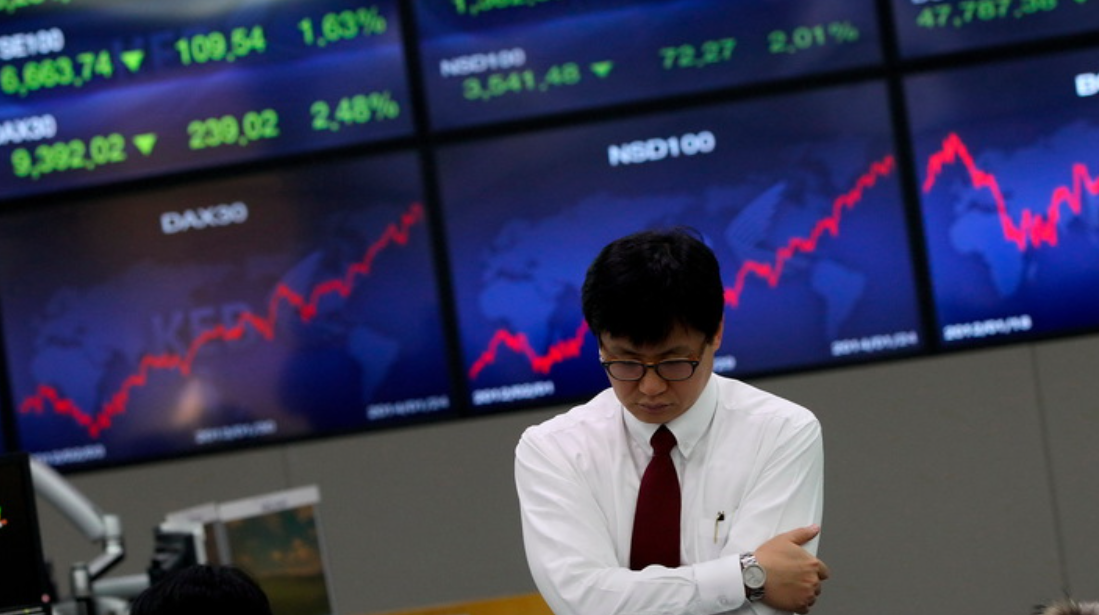
Asia-Pacific markets saw mixed performances on Wednesday, with Hong Kong’s Hang Seng Index extending its gains by 2.2%, driven by investor enthusiasm for China’s newly announced stimulus measures. The Hang Seng rally was supported by strong performances in the energy and basic materials sectors, with the Hang Seng Mainland Properties Index rising 3.6%.

Chinese markets have been reacting positively to the People’s Bank of China’s (PBOC) recent economic support measures. On Tuesday, the Hang Seng Index experienced its best day in seven months, while mainland China’s CSI 300 Index saw its largest one-day gain in over four years. By Wednesday, the CSI 300 continued its upward trend, rising by 1.73%.

The PBOC announced another rate cut, reducing the medium-term lending facility (MLF) rate from 2.3% to 2%. This marked the second rate cut in three months, following a previous reduction from 2.5% to 2.3% in July. In response, the offshore yuan briefly strengthened to 6.995 against the U.S. dollar, breaking the 7.00 level for the first time since May 2023.

Investors are also closely monitoring Australia’s inflation data. The country’s consumer price index rose by 2.7% year-on-year in August, in line with economists’ expectations, and easing from July’s 3.5% increase. Australia’s S&P/ASX 200 Index edged up slightly, recovering from two days of losses.

Elsewhere in the region, Japan’s Nikkei 225 rose 0.32%, while the broader Topix Index gained 0.11%, reversing earlier losses. South Korea’s Kospi was up 0.4%, with the Kosdaq rising 0.43%. South Korea also unveiled its new “Korea Value Up Index,” set to start trading next week. The index will feature 100 companies, with IT and industrial stocks making up over 40%.

In the U.S., markets also had a positive day on Tuesday. The S&P 500 gained 0.25%, closing at a record 5,732.93, while the Dow Jones Industrial Average rose 0.2%, reaching a new high of 42,208.22. The Nasdaq Composite added 0.56%, with Nvidia leading the charge, climbing nearly 4%. This came after a regulatory filing indicated that Nvidia CEO Jensen Huang had concluded his recent stock sales.


Dow Reaches New Record After Fed Rate Cut, Posts Winning Week

The Dow Jones Industrial Average closed at a new record on Friday, capping off a significant rally following the Federal Reserve’s first major interest rate cut in four years. The 30-stock Dow edged up 38.17 points (0.09%) to close at 42,063.36, marking a fresh high. However, the S&P 500 dipped slightly by 0.19% to 5,702.55, while the Nasdaq Composite fell 0.36% to end at 17,948.32. Earlier in the week, the Dow surpassed 42,000, and the S&P 500 crossed the 5,700 threshold for the first time.

All three major indexes recorded weekly gains, with the S&P 500 rising 1.36%, marking its fifth positive week in six weeks. For the year, the index is up over 19%. The Dow saw a weekly increase of 1.62%, and the Nasdaq gained 1.49%.

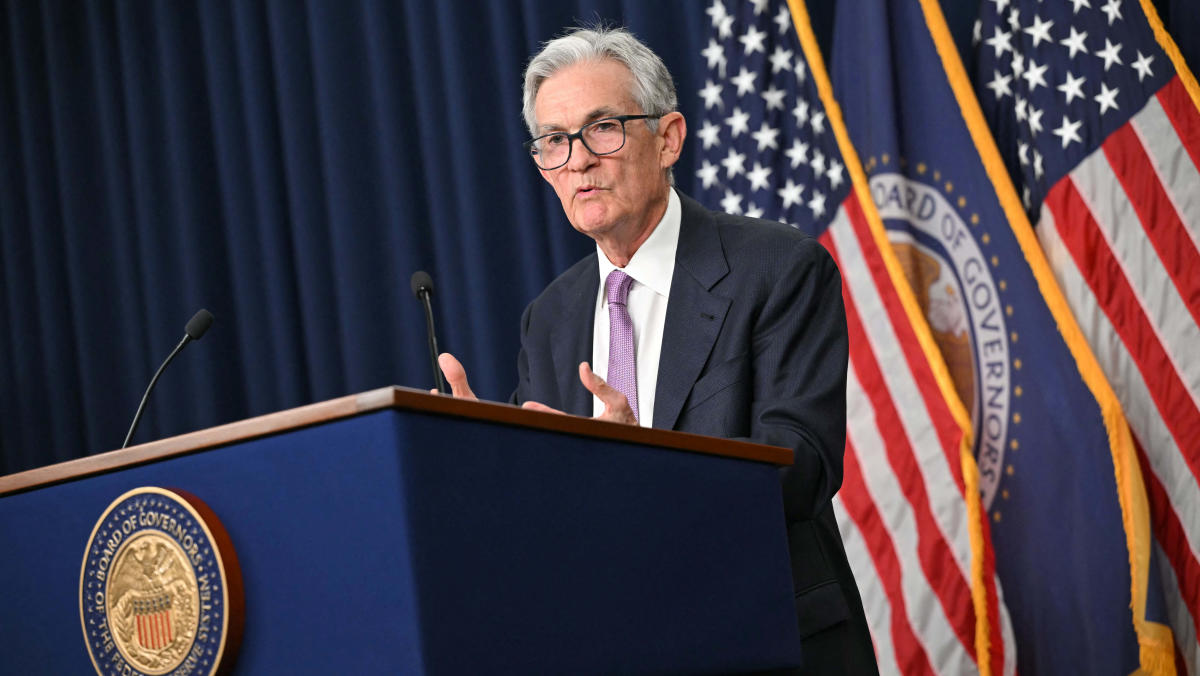
The market surged following the Federal Reserve’s decision on Wednesday to slash interest rates by a half percentage point, its first reduction since 2020. While the immediate market reaction was muted, Thursday saw stocks rally, particularly in tech, with Nvidia and Home Depot benefitting from expectations of lower borrowing costs.

Federal Reserve Governor Christopher Waller commented on Friday, noting that inflation is falling more quickly than anticipated, supporting his decision to back the half-point rate cut. Mark Hackett, Nationwide’s chief of investment research, stated, “Investors viewed the aggressive rate cut as a positive catalyst,” adding that the Fed has effectively assured markets that this cut was a proactive step to sustain economic momentum rather than a reaction to faltering conditions.

However, sentiment was dampened slightly by FedEx’s reduced earnings outlook, which caused its shares to drop over 15%. Competitor UPS also declined by 2.7% in sympathy.