Yazılar

Europe’s Defence Push Inspires Young Innovators at Amsterdam Hackathon

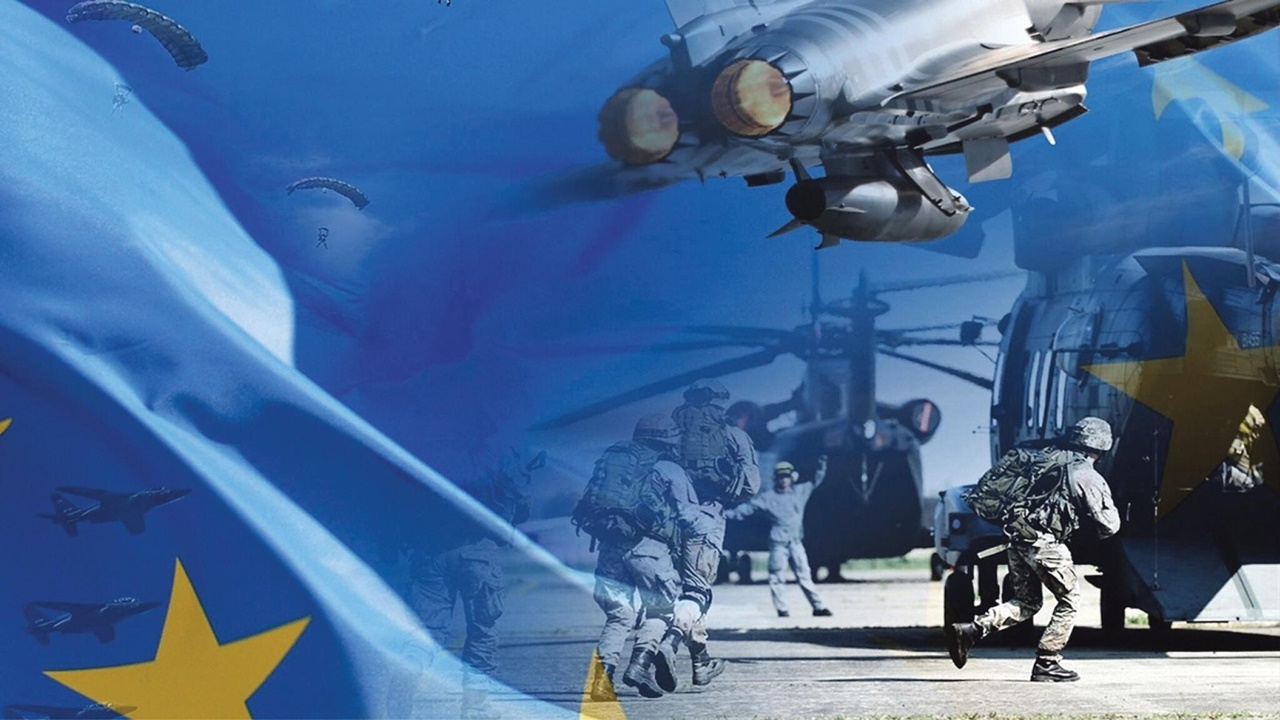
A hackathon held over the weekend in Amsterdam gathered more than 100 young programmers and engineers, aiming to create fast, affordable battlefield technologies to support Ukraine in its war against Russia. As Europe ramps up military spending in response to U.S. President Donald Trump’s warnings about pulling back NATO commitments, young tech talent is increasingly looking toward defence careers.

Participants of the hackathon, organised by the European Defense Tech Hub (EDTH) and Ukraine’s Brave1 defence accelerator, explored innovations ranging from drones and anti-drone tech to squad radar systems and seismic wave detection for enemy movement. While some attendees arrived with startup ambitions, others were there to network or show solidarity with Ukraine.

Among them was Emil Knutsson, a 24-year-old Swede, who noted a broader generational shift. “Even before the Russian invasion, I was interested in defence. But now, many of my peers are thinking the same way,” he said.

Interest in the event was further fuelled by recent geopolitical developments. According to Benjamin Wolba of EDTH, events like the Munich Security Conference and Trump’s more conciliatory tone toward Russia have created a renewed sense of urgency across Europe to invest in its own security infrastructure.

The hackathon also highlighted how defence innovation is no longer limited to governments or legacy contractors. Attendee Andreas Michaelides, whose team developed a seismic sensor system, said, “Every single one of us can get into this now,” pointing to the democratization of military tech development, especially in software and drone warfare.

Investor interest is also growing. Judge Bram Oostvogel of NUNC Capital, which recently announced a €20 million fund for early-stage defence startups, sees Ukraine as a real-world testing ground for ideas that could plug security gaps across Europe.

“First, you take care of security and safety – not Facebook likes,” Oostvogel said, emphasizing the shift in focus among both investors and innovators as the continent faces rising geopolitical threats.

With more hackathons planned across Europe this year, EDTH sees this as just the beginning of a new wave of grassroots defence innovation.
Mysterious Drone Sightings in New Jersey Raise Questions About Big Drones

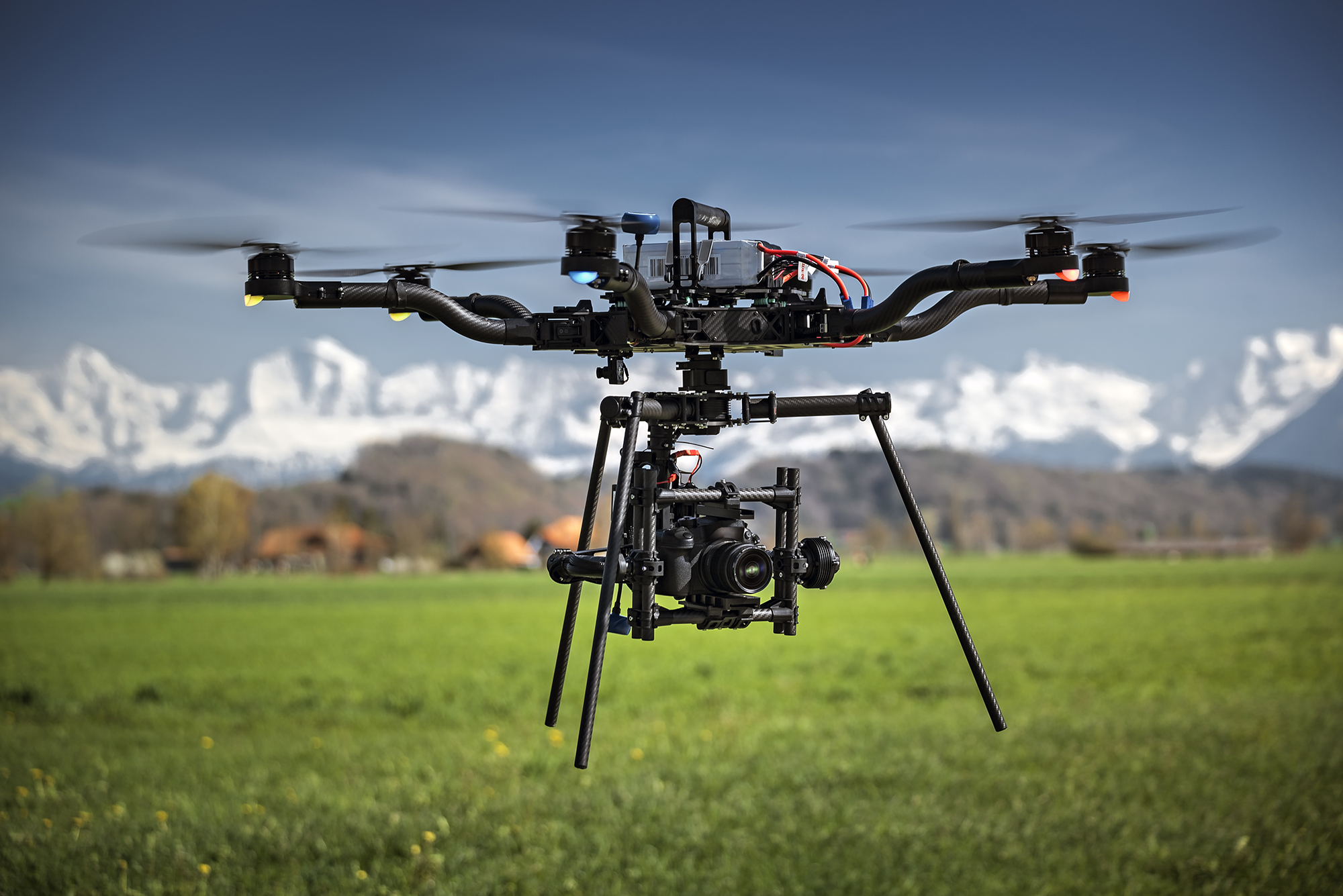
Recent reports of large drones flying over New Jersey have sparked a mix of intrigue and concern. Residents have described sightings of drones the size of small cars flying at night, often in clusters. While law enforcement agencies, including the FBI, work to confirm the nature of these objects and determine whether they are indeed drones or misidentified aircraft, experts suggest large drones are increasingly common and serve various purposes.

The sightings have been concentrated in Morris and Somerset counties, part of the New York metropolitan area. On December 3, the FBI field office in Newark acknowledged that reports from the public and law enforcement had been received for several weeks. Some residents claim to have seen objects exhibiting unusual flight patterns, such as rapid directional changes, that would be difficult for conventional planes to replicate.

Despite the intrigue surrounding the mysterious sightings, the U.S. Coast Guard, which operates under the Department of Homeland Security, also reported encounters with the objects. However, both the Department of Homeland Security and White House officials have clarified that many of the sightings were determined to be “manned aircraft” operating legally. According to John Kirby, a national security spokesperson, there is currently no evidence linking these incidents to national security or public safety threats.

Nonetheless, local officials, including New Jersey Governor Phil Murphy, have expressed frustration over the lack of answers. Murphy has pressed federal authorities for further clarification, especially after residents voiced concerns over the objects’ erratic movements.

While it’s still unclear what these mysterious objects are, experts emphasize that large drones do exist and are increasingly used for commercial, military, and industrial purposes. Ryan Wallace, an associate professor of aeronautical engineering at Embry-Riddle Aeronautical University, explained that drones have a wide range of uses, from agriculture and infrastructure surveying to law enforcement search-and-rescue missions. However, drones larger than 55 pounds require special approval from the Federal Aviation Administration (FAA), and they can cost tens of thousands of dollars.

Though large drones are most commonly used for commercial and military purposes, some have been employed for transportation, such as deliveries, or even surveillance. The military utilizes drones equipped with a variety of sensors for surveillance tasks, including infrared cameras. Experts predict that in the future, even larger drones, such as those capable of transporting people, may enter the skies. However, these will require extensive FAA approvals before becoming widespread.

For now, while the mysterious New Jersey sightings remain unexplained, experts are clear that large drones have a range of potential uses and are becoming an increasingly familiar sight in many sectors.


Ukraine’s ‘Dragon Drones’ Unleash Molten Metal in Latest Battlefield Innovation

In the ongoing conflict between Ukraine and Russia, Ukraine has introduced a terrifying new weapon: thermite-laden drones, often referred to as “dragon drones.” These drones, equipped with a potent incendiary compound, have been used to target Russian positions with intense, fire-spewing attacks.

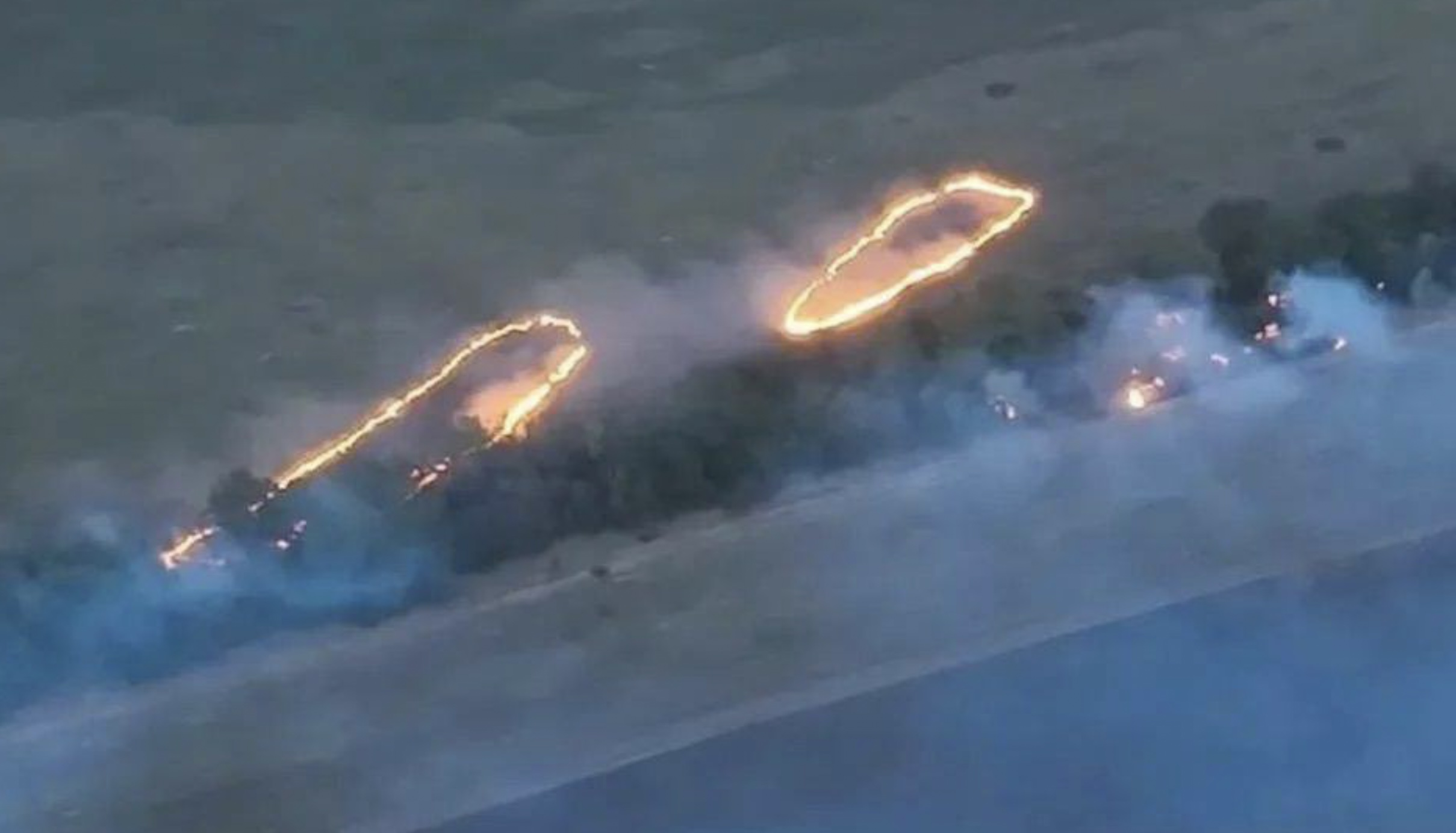
Technology and Use The drones deploy a mixture of aluminum powder and iron oxide known as thermite, which burns at temperatures up to 4,000 degrees Fahrenheit (2,200 degrees Celsius). This extremely high heat can effectively burn through vegetation, structures, and even metal, making it a formidable weapon in modern warfare.

Videos shared on social media by the Ukrainian Defense Ministry demonstrate the drones dropping streams of molten metal onto Russian-held positions, creating a dramatic and fearsome effect. The Ukrainian 60th Mechanized Brigade has highlighted the drones as “wings of vengeance,” emphasizing their precision and psychological impact.

Historical Context Thermite, discovered in the 1890s, was initially used for industrial purposes such as welding railroad tracks. Its military applications became evident during World War I, when it was used in aerial bombs by Germany. Both World Wars saw extensive use of thermite, including its deployment in disabling enemy artillery.

In recent times, Ukraine has adapted thermite for use with drones, enabling targeted strikes that can disable tanks and other equipment. According to Action on Armed Violence (AOAV), this method of delivery allows for precise attacks that bypass traditional defenses, enhancing its effectiveness in modern combat scenarios.

Legal and Ethical Concerns While thermite is not banned under international law, its use is heavily regulated, particularly in terms of targeting civilian areas. The weapon’s devastating effects, including severe burns and long-term medical complications, are well-documented. Human Rights Watch has criticized incendiary weapons for their horrific impact on human health, including deep burns and severe physical trauma.

Impact and Strategy The introduction of thermite drones adds a new dimension to the ongoing conflict, providing Ukraine with a means to exert psychological pressure on Russian forces. Nicholas Drummond, a defense analyst, notes that while thermite drones may not be a game-changer in terms of battlefield strategy, they contribute to creating a climate of fear and uncertainty among enemy troops.

Ukraine’s innovative use of drones reflects a broader trend of adapting technology to gain tactical advantages in the conflict. Despite the ongoing challenges, the effective use of thermite drones represents a significant advancement in Ukraine’s ability to disrupt and demoralize Russian forces.

Broader Implications The use of thermite and other incendiary weapons highlights the evolving nature of warfare and the increasing role of technology in military strategies. As both sides continue to develop and deploy advanced weaponry, the impact on civilian populations and the ethical considerations surrounding these innovations will remain critical issues in the ongoing conflict.

Overall, Ukraine’s deployment of “dragon drones” underscores the growing complexity of modern warfare and the relentless pursuit of technological advancements to gain the upper hand in battle.