Yazılar

NASA Explores Crystal Growth in Space to Unlock Future Technological Advances

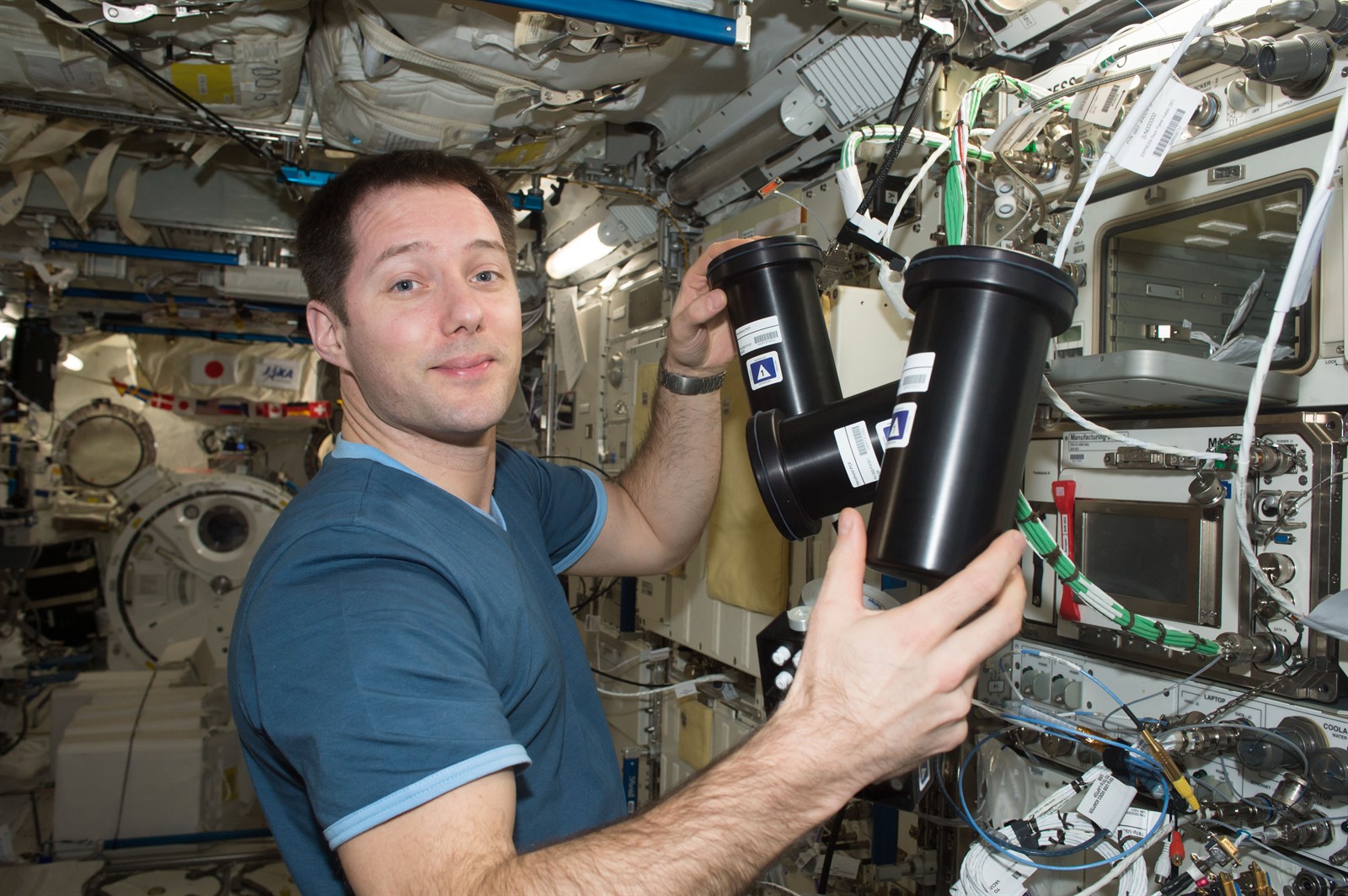
NASA scientists have long been fascinated by the process of crystallisation and its potential to improve technologies here on Earth. Most recently, researchers have turned their attention to how crystals form in microgravity aboard the International Space Station (ISS). A team led by Alexandra Ros from Arizona State University launched a series of protein crystallisation experiments using specially designed microfluidic devices. These experiments aim to evaluate whether the low-gravity environment of space enables the formation of higher-quality protein crystals compared to those grown under Earth’s gravity. If successful, this could revolutionize how we approach drug development, materials science, and more.

Crystallisation is the process through which liquid or molten materials cool and solidify into highly ordered structures known as crystals. These formations aren’t limited to gemstones or snowflakes—they are an essential part of modern life. From natural minerals to complex synthetic compounds, crystals can form from a variety of substances and serve diverse purposes across industries. Understanding how to control and optimize crystallisation can lead to better materials and more precise scientific tools.

Everyday items owe their functionality to crystals. Whether it’s the ceramic in your coffee mug, the silicon in your smartphone, or the memory chips that store your data, crystallisation plays a central role in shaping their components. Semiconductor crystals are critical for detecting radiation such as gamma and infrared rays, and optical crystals power laser technologies used in everything from barcode scanners to medical instruments. Even the durable turbine blades in jet engines rely on metal crystals designed for high strength and heat resistance.

The implications of space-based crystal research are profound. If space-grown crystals can achieve superior structure and purity, scientists could gain new insights into diseases, develop more effective medications, and engineer advanced materials with exceptional precision. As NASA and its research partners continue to explore these possibilities, microgravity experiments may become a cornerstone in developing next-generation technologies—both in orbit and back on Earth.
Study Suggests Earth’s Mantle May Contain an Ancient Ocean of Magma Formed Billions of Years Ago

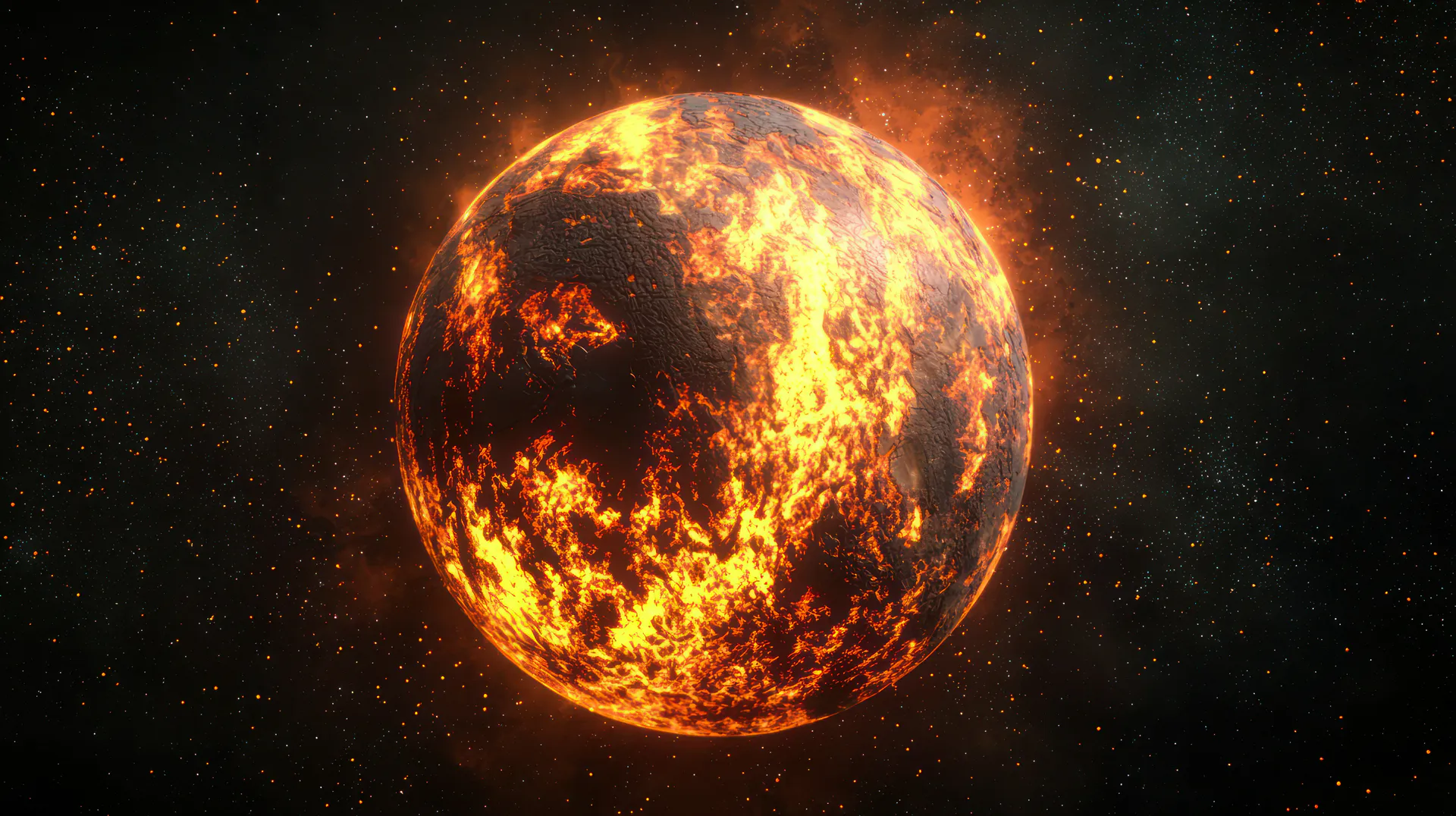
A groundbreaking study published in Nature on March 26 reveals that Earth’s mantle may harbor remnants of an ancient ocean of magma that formed around 4.4 billion years ago. This molten layer, situated near the boundary between Earth’s mantle and core, could be influencing the planet’s geological activity today, manifesting as unusual mantle anomalies. The research sheds light on the large-scale structures within the Earth’s interior, such as the Large Low-Velocity Provinces (LLVPS), which were identified using advanced seismic imaging techniques. These discoveries suggest that the formation of a magma ocean in Earth’s early history played a pivotal role in shaping the planet’s thermal and tectonic evolution.

The study, led by Assistant Professor Charles-Édouard Boukaré from York University, Toronto, proposes that the magma ocean, formed deep within Earth’s interior, could be affecting the thermal communication between the mantle and the core. This interaction, in turn, might influence the behavior of tectonic plates and the dynamics of Earth’s surface. According to Boukaré, this molten layer is a key element in understanding the current behavior of Earth’s geological processes, highlighting how ancient conditions continue to impact the planet today.

In their study, Boukaré and his team, including James Badro and Henri Samuel from French research institutions, combined geochemical and seismic data to develop a new model explaining how early crystallization in Earth’s interior led to the formation of this persistent magma ocean. The team proposes that dense, iron oxide-rich solids sank towards the core under extreme temperatures and pressures, remelting into a permanent ocean of magma. This model suggests that such a magma ocean formed regardless of how Earth’s mantle solidified, whether from the core outwards or vice versa, challenging previous assumptions about the planet’s internal evolution.

The lasting effects of this ancient magma ocean are believed to have shaped the internal structure of Earth, leaving a geological “memory” that continues to influence tectonic movements and mantle convection. The LLVPS, which date back over 4.4 billion years, are thought to be remnants of this primordial magma layer, providing a tangible link to the early history of the planet. Boukaré’s findings offer a fascinating glimpse into the Earth’s deep past, suggesting that the imprint of the magma ocean still affects geological processes, influencing the shape and dynamics of the planet as we know it today.

Looking beyond Earth, Boukaré is eager to expand the model to other rocky planets. His research could offer valuable insights into the formation of planets across the solar system, potentially revealing that magma oceans were not unique to Earth but may have been a common feature in the early history of other rocky worlds. This work could open new avenues in planetary science, helping scientists better understand the processes that shaped not only Earth but also its neighboring planets.

NOAA Warns of Increased Solar Storm Risk with Double CME Strike on Earth

A rare and powerful event took place, as two separate coronal mass ejections (CMEs) erupted from the Sun, heading directly toward Earth. These solar eruptions are predicted to result in a spectacular display of auroras or northern lights, with the most intense show expected around April 16. However, the impact of these CMEs goes beyond just the visual beauty they may bring. Due to the magnitude and trajectory of the solar particles, the event is also anticipated to cause geomagnetic storms, which could affect various regions on Earth. The phenomenon was closely monitored by space agencies, who have deemed the likelihood of geomagnetic activity particularly high.

The CMEs originated from an unusually active sunspot region, known for producing both M-class and X-class solar flares in the preceding days. According to the National Oceanic and Atmospheric Administration (NOAA), these intense solar eruptions have prompted the issuance of a geomagnetic storm watch. The storm is expected to reach Earth on April 16, bringing with it the potential for moderate (G2) or even strong (G3) geomagnetic storms. While these types of storms can disrupt communications and power systems, they also offer a rare opportunity for skywatchers to witness extraordinary auroral displays. NOAA’s Space Weather Prediction Center is closely tracking the event to provide up-to-date information to the public.

Typically, auroras are visible in the polar regions, where geomagnetic storms are most intense. However, this particular event is expected to extend the auroral visibility much further south than usual. Regions like Canada, Minnesota, Michigan, Idaho, New York, and parts of Northern Europe may experience glimpses of the northern lights. Predictions from the European Space Agency (ESA) suggest that the incoming solar material could generate powerful auroras across these areas. According to space weather physicist Tamitha Skov, the solar storms are expected to travel slowly, but with their high density, they could still pack a significant punch, producing particularly vibrant and widespread displays.

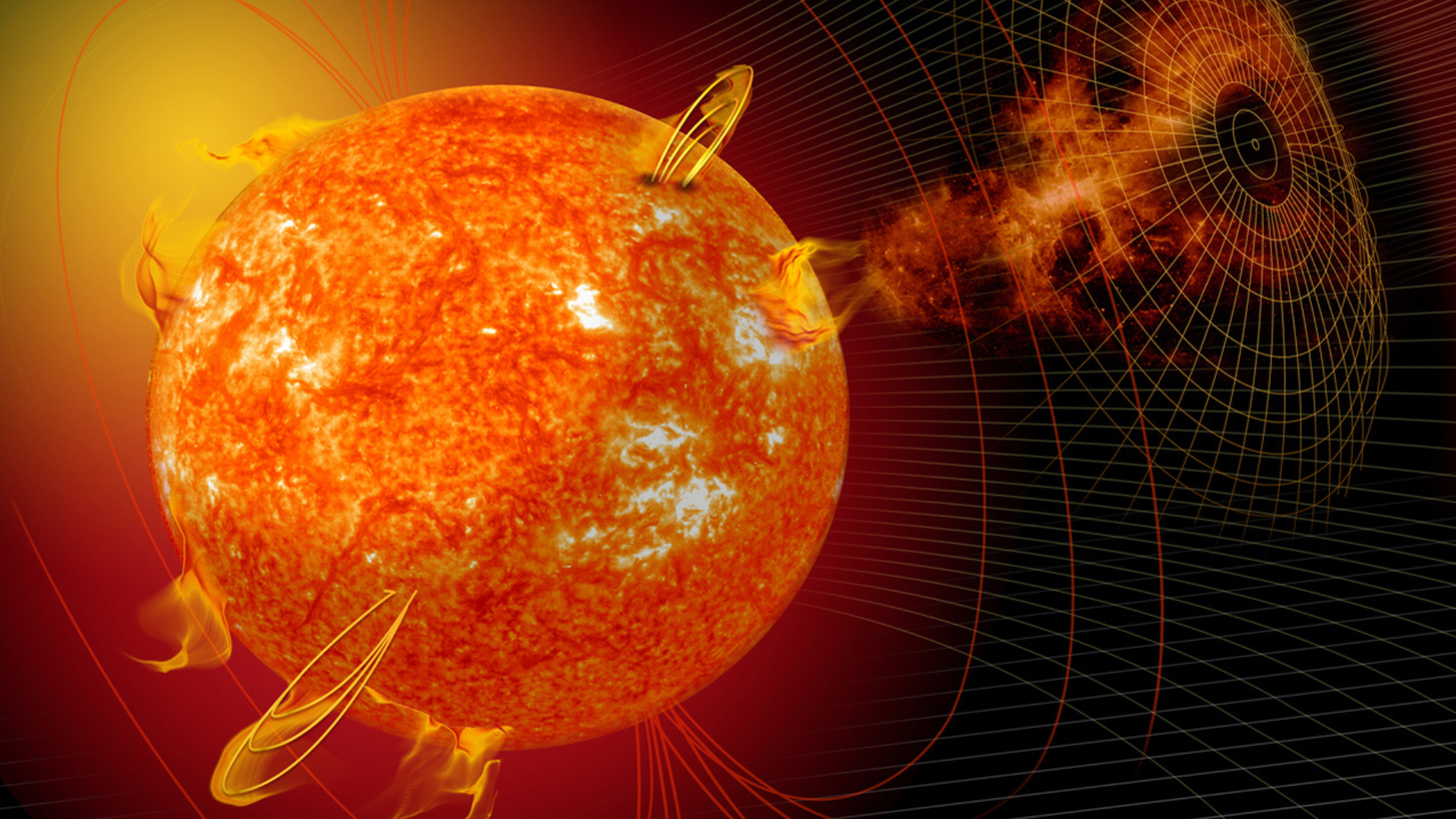
CMEs are massive explosions of solar plasma and magnetic fields that, when directed toward Earth, interact with our planet’s magnetosphere. This interaction triggers a chain reaction, causing the charged particles to collide with Earth’s atmosphere. The result is the formation of colorful auroras, which are often seen as shimmering green, purple, and red lights. However, CMEs can also disrupt communication systems, such as radio waves and GPS signals, and even cause power outages by interfering with electrical grids. As scientists continue to study the Sun’s activity, they anticipate more solar storms throughout the remainder of the solar cycle, particularly as the Sun reaches its peak activity. These storms will likely become a more frequent phenomenon in the coming months.