Yazılar

Katy Perry and All-Female Crew Complete Successful Spaceflight Return

Blue Origin Successfully Completes Historic All-Female Spaceflight Featuring Katy Perry and Others

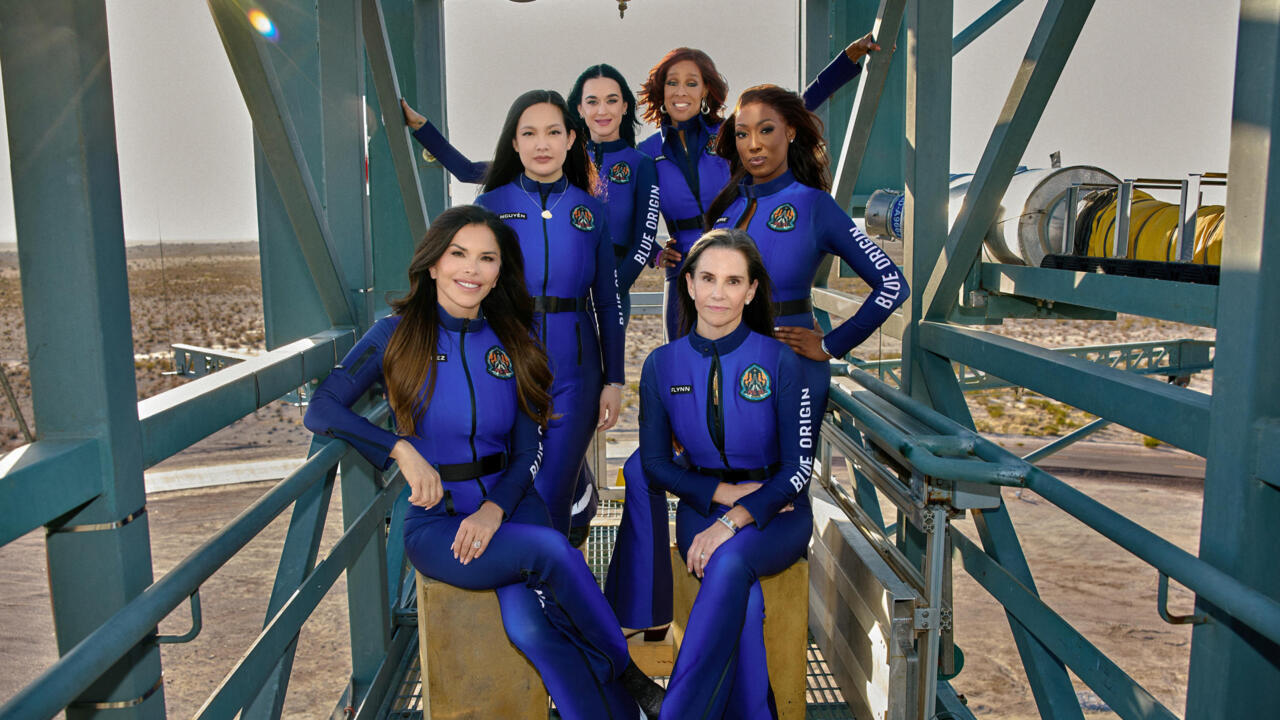
Blue Origin, the aerospace company founded by Jeff Bezos, marked a historic milestone on Monday, April 14, by completing the first-ever all-female crewed spaceflight. This landmark mission, NS-31, was the 31st overall launch and the 11th human spaceflight for Blue Origin’s reusable New Shepard spacecraft. Notably, it was the first time since 1963 — when Valentina Tereshkova became the first woman in space — that an all-female group journeyed to the edge of space together.

The crew included a dynamic mix of personalities: global pop icon Katy Perry, television journalist Gayle King, NASA rocket scientist Aisha Bowe, film producer Kerianne Flynn, civil rights advocate Amanda Nguyen, and journalist Lauren Sánchez, who is also Jeff Bezos’ fiancée. The initiative was largely spearheaded by Sánchez, and it celebrated the achievements of women from various walks of life. The team’s spirit was reflected in their specially designed mission patch, “the six taking up space,” featuring symbolic elements representing each astronaut’s background and contributions.

The New Shepard lifted off at 9:31 a.m. ET from Blue Origin’s West Texas launch site, reaching the Kármán line — the recognized boundary of space, situated roughly 100 kilometers above Earth. During their brief but unforgettable journey, the crewmembers experienced a few minutes of weightlessness, floating freely while marveling at the breathtaking views of the Earth below and the endless expanse beyond. One touching moment captured during the livestream was Katy Perry’s joyful reaction upon seeing the Moon, exclaiming, “Oh my God, that’s our pink Moon!”

The entire mission lasted approximately 11 minutes and concluded with a safe landing back at the launch site. This successful flight not only underlined Blue Origin’s focus on broadening space access but also symbolized a powerful message of female empowerment and achievement. The NS-31 mission stands as a tribute to how far space travel — and the role of women within it — has evolved over the past six decades.

NASA Satellites Show Decline in Freshwater Reserves Amid Ongoing Global Droughts and Warming

NASA Satellites Reveal Alarming Decline in Freshwater Reserves Amid Global Climate Challenges

Data from NASA’s Gravity Recovery and Climate Experiment (GRACE) satellites has revealed a concerning trend: Earth’s freshwater supplies have been significantly declining since May 2014. Published in Surveys in Geophysics, the findings show a marked shift in global water availability, underscoring the impact of prolonged droughts and rising temperatures. The research, conducted by an international team of scientists, highlights that freshwater reserves are persistently below average, indicating a drier phase for the planet that shows little sign of abating.

Global Freshwater Reserves Drop Significantly

The GRACE mission, a collaboration between NASA and German research institutions, tracked global freshwater reserves from 2015 to 2023, finding a reduction of approximately 1,200 cubic kilometers. To put this into perspective, this amount of water is about two-and-a-half times the volume of Lake Erie, one of the largest freshwater lakes in the world. The GRACE satellites measured not only surface water but also groundwater and other freshwater sources, providing a comprehensive view of the planet’s water reserves.

Impact of Drier Conditions on Water Availability

Matt Rodell, a hydrologist at NASA’s Goddard Space Flight Center, noted that the data points to a significant departure from the pre-2014 water availability averages. This shift is indicative of a continuing trend of global freshwater scarcity, exacerbated by ongoing climate change. As droughts become more frequent and intense, many regions are facing challenges in securing reliable water sources for both drinking and agricultural use.

Addressing the Freshwater Crisis

The ongoing decline in freshwater reserves presents a serious challenge for governments, industries, and communities around the world. While the GRACE satellite data offers crucial insight into the state of global water resources, it also underscores the urgent need for sustainable water management and climate change mitigation strategies. With global temperatures continuing to rise, the pressure on freshwater systems is expected to grow, making it more vital than ever to implement solutions that can help preserve and replenish these critical resources.

Study Reveals Heart-Shaped Clams Use Fiber Optic Structures to Channel Sunlight

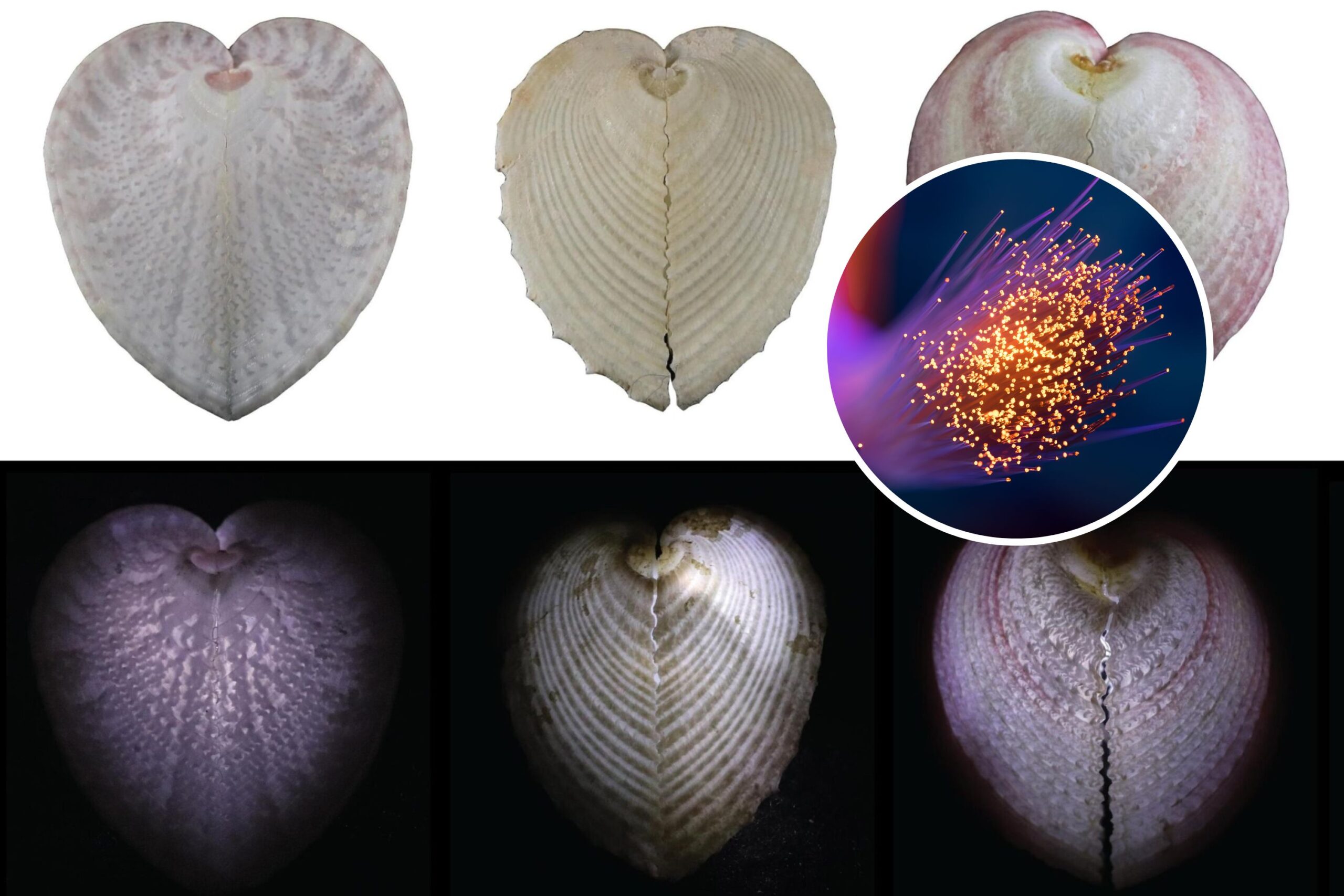
Researchers have uncovered an extraordinary biological adaptation in heart cockles (Corculum cardissa), a species of bivalve found in the Indian and Pacific Oceans. These clams have evolved specialized structures in their shells that function like fiber-optic cables, channeling sunlight to symbiotic algae living within their tissues. This unique ability not only ensures the algae receive the light they need for photosynthesis, but also shields them from harmful ultraviolet (UV) rays. In return, the algae provide the clams with vital nutrients, such as sugars, fostering a mutually beneficial relationship.

Channeling Light Through Shells

Heart cockles, which are roughly the size of a walnut, have shells marked by small, transparent areas. These areas have been found to operate like fiber-optic cables, guiding sunlight into the clam’s internal environment. The structure responsible for this remarkable ability is aragonite, a crystalline form of calcium carbonate found in the shells. Microscopic studies revealed that the aragonite crystals form tiny tubes that precisely channel light while blocking UV radiation. This clever adaptation enables the clams to protect their symbiotic algae from UV-induced damage, a common threat in shallow marine environments.

The Role of Photosynthesis in Symbiosis

Dakota McCoy, an evolutionary biophysicist from the University of Chicago, and her research team published their findings in Nature Communications. Their study demonstrated that heart cockle shells allow more than twice as much light beneficial to photosynthesis to penetrate compared to harmful UV light. This unique adaptation could play a significant role in protecting the algae from environmental stressors, such as rising ocean temperatures and UV radiation, which are exacerbated by climate change. The algae, in turn, provide the clams with essential nutrients that support their growth and survival.

Implications for Marine Ecosystems

The discovery of this fiber-optic-like system in heart cockles offers new insights into how marine organisms adapt to their environments. By protecting their symbiotic algae from UV radiation while ensuring they receive the light needed for photosynthesis, heart cockles may help prevent ecological issues like coral bleaching, which is increasingly linked to climate change. This adaptation not only showcases the intricate relationships between species but also highlights the resilience of certain marine life forms in the face of environmental challenges. As researchers continue to study these remarkable creatures, further discoveries may reveal even more about the complex strategies marine species use to survive in rapidly changing oceans.